
home fitness sneakers
Specialized sports shoes must be worn for home fitness, and comprehensive training shoes with strong grip, arch support, and sole thickness of 2-4cm are preferred. Exercise at home with bare feet, slippers, daily commuting shoes/road running shoes, all have a high risk of injury.
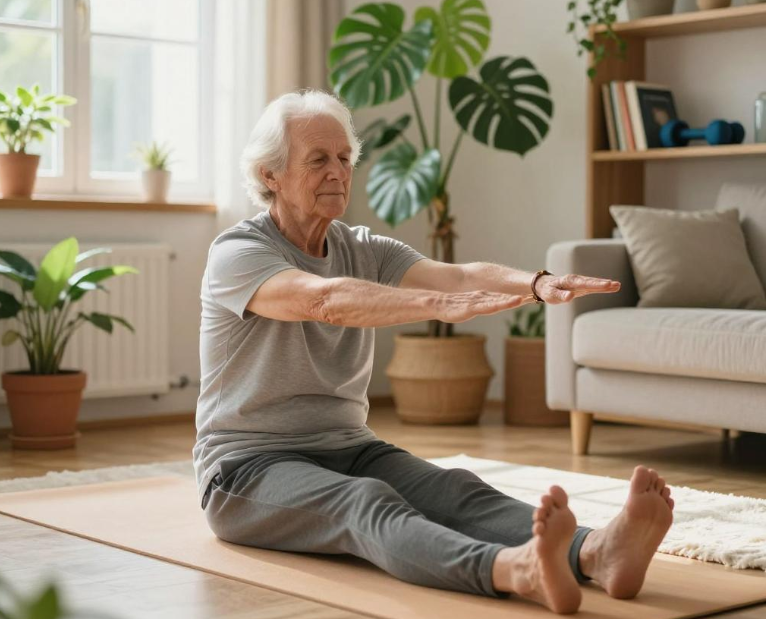
Last year, I was locked down at home for two months. I found it troublesome at first. I danced with my bare feet on a yoga mat. I thought I didn’t go out anyway, so what kind of shoes should I wear? However, after dancing "Dragon Fist" on the third day, my ankle became swollen and I limped to the community hospital. The doctor in the rehabilitation department said that during that period, I received more than 20 patients with the same style. Some of them stretched their Achilles tendons while dancing barefoot, or slipped while dancing while wearing slippers. Some people danced in dad shoes, but the soles were too heavy and caused fluid to accumulate in their knees.
Of course, I also know that many friends who do strength training will say that it is better to practice exercises such as deadlifts, planks, and kneeling push-ups at home with bare feet. The soles of the feet are completely touching the ground, which can more clearly sense the force exerted and prevent the arches of the feet from unconsciously collapsing to compensate. This statement is really not nonsense. I occasionally go barefoot when I practice glute bridge, and it does happen. The sense of force is more accurate - but there are two prerequisites. First, there are no small debris or stagnant water on the ground in your home, and the floor is flat and non-slip. Second, there is no bounce or lateral movement in your training plan for the day. If there are jumping jacks, side slides, burpees, etc., don't hesitate to put on the shoes quickly. If your feet are really sprained, you will be the only one who hurts.
A friend asked me before if I could wear my usual running shoes. All I can say is, don’t, I’ve been through this trap before. I wore my full-length air-cushioned marathon training shoes to dance Pamela’s. Originally, road running shoes were designed to provide cushioning for forward running, and the lateral support was particularly weak. When I was doing a lateral twist during the jump, my foot slipped and I almost sprained it. I even kicked over the electrolyte water next to it and spread it all over the mat, and I wiped it for half an hour. The soles of road running shoes are generally thick and rebound too much. Many movements at home are not straight. When twisting and turning, the soles are not releasing the force properly, which is especially easy to injure the knees and ankles. As for slippers, dad shoes, and canvas shoes, not to mention, they are either slippery, heavy, or have no support. They are purely full of injury buffs.
When it comes to choosing shoes, there really aren’t that many bells and whistles, and there’s no need to buy premium models marked “for home fitness.” When I was helping my sister choose shoes, I discovered that the same type of shoes with a “home” label would be more than a hundred dollars more expensive, which is pure leeks. You need to touch your feet first. If you have flat feet, don’t buy the kind of shoes with soft soles that can be rolled into twists. You must choose the ones with hard support for the arch. Otherwise, you will most likely get tendonitis after two weeks of dancing. My sister has flat feet. I bought a pair of soft-soled shoes for cheap. After dancing for a week, my feet hurt and I couldn’t walk. ; If you have high arches, choose shoes with better soles and better cushioning. Don’t choose shoes that are as hard as a wooden board, otherwise they will hurt your knees. Then look at the texture of the soles. If your home has tile floors, choose ones with a fine herringbone pattern, which is like off-road tires and will not slip even with a little sweat. I bought a pair of shoes with large tread soles before, and I almost split my legs when I stepped on the sweat on the yoga mat. I have worn the pair for almost a year now and they have never slipped. Also, the thickness of the sole should not exceed 4cm. If it is too thick, the foot will feel floating and the force cannot be exerted accurately. Also, it should not be too thin. If it is less than 1cm, there will not be enough cushioning when jumping and the shock will cause pain in the heel.
By the way, if you live in an old community and the sound insulation is not good, when choosing shoes, choose soles with a slightly higher density. Don't choose soles that are soft and fufu-like. I used to use two layers of 10mm yoga mats for aerobics, and the aunt downstairs came to find them. Later, I changed to a pair of training shoes with slightly harder soles. No one is looking for them when doing wave jumping. The shock-absorbing effect is much more effective than stacking yoga mats.
In fact, to put it bluntly, the core purpose of wearing sports shoes for home fitness is to prevent injuries. There is no need to pursue big brands and expensive prices. It is enough to adapt to your usual training content and fit your foot shape. After all, we exercise for comfort. Don’t cause unnecessary trouble to yourself with a pair of shoes, right?
Disclaimer:
1. This article is sourced from the Internet. All content represents the author's personal views only and does not reflect the stance of this website. The author shall be solely responsible for the content.
2. Part of the content on this website is compiled from the Internet. This website shall not be liable for any civil disputes, administrative penalties, or other losses arising from improper reprinting or citation.
3. If there is any infringing content or inappropriate material, please contact us to remove it immediately. Contact us at:
