
Basic Methods of Flexibility Training
Flexibility training is a cornerstone of physical fitness, offering benefits that extend beyond mere range of motion. It enhances performance, reduces injury risk, and improves overall body function. Whether you're an athlete, a desk worker, or someone simply looking to maintain mobility, understanding the fundamental techniques of flexibility training is essential.

The Importance of Flexibility in Daily Life
In today’s fast-paced world, many people spend long hours sitting, which can lead to tight muscles and restricted movement. This is where flexibility training becomes crucial. Think of your body as a well-oiled machine—without proper maintenance, even the smallest parts can cause major issues. Regular stretching and mobility work ensure that joints move smoothly and muscles remain balanced, helping to prevent chronic pain and postural imbalances.
For instance, office workers often experience stiffness in their shoulders and lower back due to prolonged sitting. Incorporating daily stretches into their routine can significantly improve comfort and reduce the likelihood of developing musculoskeletal problems.
Common Techniques for Enhancing Flexibility
There are several effective methods for improving flexibility, each with its own advantages and applications. Dynamic stretching, static stretching, and proprioceptive neuromuscular facilitation (PNF) are among the most widely used approaches.
Dynamic stretching involves controlled movements that mimic the activity you’re about to perform. It’s ideal for warming up before exercise, as it increases blood flow and prepares the muscles for action. For example, leg swings or arm circles can be great pre-workout moves that enhance coordination and readiness.
Static stretching, on the other hand, involves holding a stretch for a period of time—usually 15 to 30 seconds. This method is best done after a workout when the muscles are already warmed up. A classic example is the hamstring stretch, where you sit on the floor and reach toward your toes, holding the position to gradually increase your range of motion.
PNF is a more advanced technique that combines both stretching and contracting muscles. It's particularly useful for increasing flexibility quickly and effectively. One common PNF method is the contract-relax technique, where you hold a stretch, contract the muscle against resistance, and then relax into a deeper stretch.
Integrating Flexibility into Your Routine
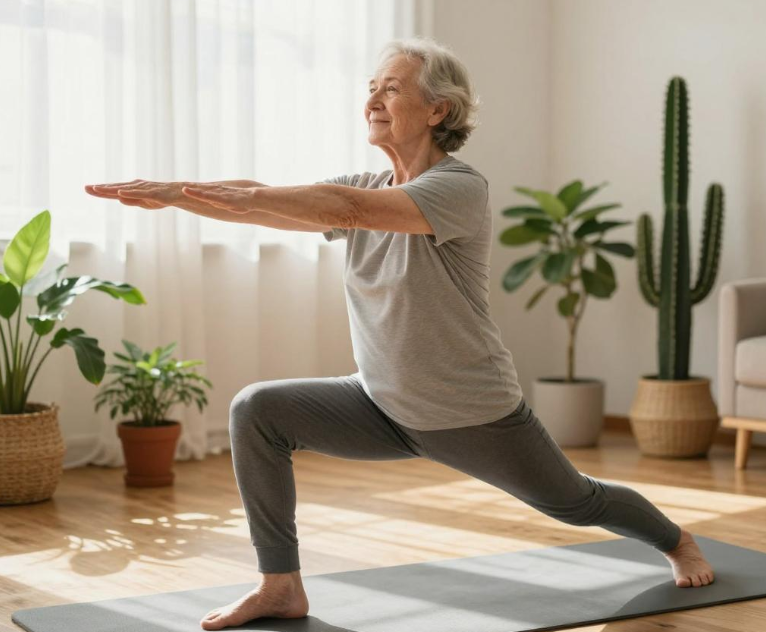
The key to successful flexibility training lies in consistency and mindfulness. Rather than trying to cram all your stretching into one session, spread it throughout the day. Even five minutes of focused stretching can make a difference over time.
Consider starting your day with a few simple stretches, such as rolling your shoulders or doing a seated forward fold. These small habits can build into a powerful routine that supports long-term mobility and wellness.
Moreover, paying attention to how your body feels during and after stretching is important. If you experience pain rather than a gentle pull, it may be a sign that you’re pushing too hard. Flexibility should feel like a comfortable challenge, not a source of discomfort.
The Role of Mind-Body Connection
Flexibility training isn’t just about physical movement—it’s also about mental engagement. Being present during your stretches allows you to tune into your body’s signals and respond appropriately. This mind-body connection can deepen your practice and lead to better results.
Imagine yourself as a gardener tending to your muscles. Just as plants need regular care to thrive, your body requires consistent attention to maintain its health and flexibility. With patience and awareness, you’ll begin to notice improvements in your posture, balance, and overall sense of well-being.
Conclusion
In summary, flexibility training is a vital component of any comprehensive fitness regimen. By incorporating dynamic and static stretches, exploring advanced techniques like PNF, and maintaining a mindful approach, individuals can achieve greater mobility and reduce the risk of injury. Whether you're aiming to enhance athletic performance or simply improve your quality of life, the basic methods of flexibility training offer a practical and effective path forward.
Disclaimer:
1. This article is sourced from the Internet. All content represents the author's personal views only and does not reflect the stance of this website. The author shall be solely responsible for the content.
2. Part of the content on this website is compiled from the Internet. This website shall not be liable for any civil disputes, administrative penalties, or other losses arising from improper reprinting or citation.
3. If there is any infringing content or inappropriate material, please contact us to remove it immediately. Contact us at:
