
The Differences Between Home Fitness and Gym Training
In today’s fast-paced world, the choice between home fitness and gym training has become a significant consideration for individuals seeking to maintain physical health. While both approaches offer unique advantages, they differ in key aspects such as environment, equipment availability, social interaction, and overall effectiveness. Understanding these distinctions can help individuals make informed decisions based on their personal goals, lifestyle, and preferences.
Environment and Atmosphere
One of the most striking differences between home fitness and gym training lies in the environment. A home workout space is typically more flexible and personalized, allowing individuals to exercise at any time without the constraints of gym hours or travel. This convenience is particularly appealing to those with busy schedules or limited access to gyms. However, the lack of structured surroundings may also lead to distractions or reduced motivation for some people.
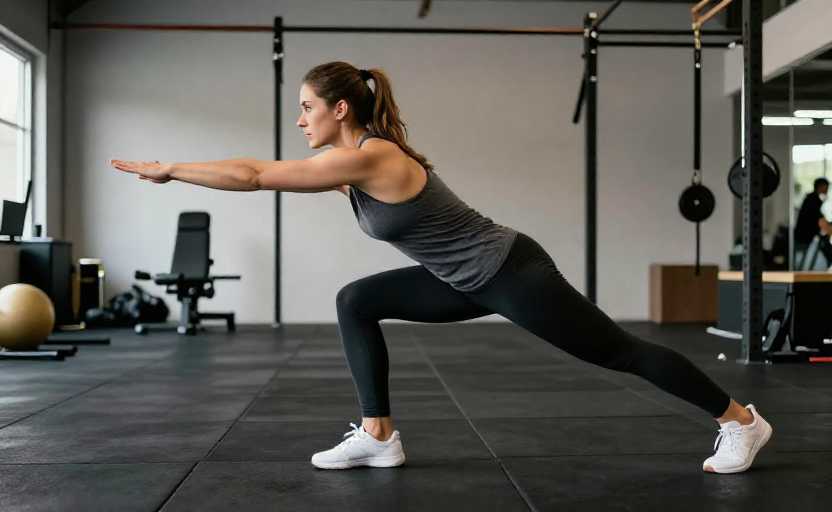
In contrast, a gym offers a dedicated space designed specifically for physical activity. The atmosphere is often charged with energy, with the presence of others working out creating a sense of community and shared purpose. For many, this environment fosters discipline and accountability, making it easier to stay committed to a fitness routine.

Equipment and Variety
The range of equipment available is another critical factor. Gyms are equipped with a wide array of machines, free weights, and specialized tools that cater to different types of workouts—strength training, cardio, flexibility, and more. This variety allows for a more comprehensive and structured approach to fitness, especially for those aiming to build muscle, improve endurance, or achieve specific athletic goals.
Home fitness setups, while increasingly sophisticated, are often limited by space and budget. Many people opt for basic equipment like dumbbells, resistance bands, or treadmills, which can be effective but may not provide the same level of diversity. That said, with the rise of smart home fitness devices and online workout platforms, the gap between home and gym equipment is gradually narrowing.
Social Interaction and Motivation
Social factors play a crucial role in long-term adherence to any fitness regimen. Gyms naturally encourage social interaction through group classes, personal training sessions, and even casual conversations among members. These interactions can boost morale, create friendships, and provide a sense of belonging that is harder to replicate at home.
Home workouts, on the other hand, are often solitary experiences. While this can be beneficial for those who prefer privacy or find group settings overwhelming, it may also lead to a lack of external motivation. Some individuals compensate by joining online communities or using fitness apps that simulate social engagement through challenges and progress tracking.
Cost and Accessibility
Financial considerations are another important aspect. Gyms typically require membership fees, which can add up over time. Additionally, some gyms offer premium services like personal trainers or nutrition consultations, further increasing costs. For individuals on a tight budget, this may be a deterrent.
Home fitness, while initially requiring an investment in equipment, can be more cost-effective in the long run. With the availability of free online workout videos and apps, many people can maintain a consistent routine without recurring fees. However, the initial setup cost and the need for self-discipline should not be underestimated.
Personalization and Flexibility
Both home and gym environments allow for personalization, but in different ways. At home, individuals have full control over their workout schedule, music, lighting, and even the type of exercises performed. This level of autonomy can be empowering, especially for those who value independence in their routines.
Gyms, while offering more structured programs, also provide opportunities for customization through one-on-one coaching and tailored workout plans. Trainers can assess individual needs and adjust routines accordingly, which can be particularly beneficial for beginners or those with specific fitness goals.
Conclusion
Ultimately, the decision between home fitness and gym training depends on individual priorities, lifestyle, and preferences. For those who value convenience, privacy, and cost-effectiveness, home workouts may be the ideal choice. For others, the structured environment, social support, and extensive equipment of a gym may prove more beneficial. Both options have their merits, and the key is to find a balance that aligns with one's goals and commitments. Whether at home or in a gym, the most important thing is consistency—and that is something both approaches can deliver when approached with intention and dedication.
Disclaimer:
1. This article is sourced from the Internet. All content represents the author's personal views only and does not reflect the stance of this website. The author shall be solely responsible for the content.
2. Part of the content on this website is compiled from the Internet. This website shall not be liable for any civil disputes, administrative penalties, or other losses arising from improper reprinting or citation.
3. If there is any infringing content or inappropriate material, please contact us to remove it immediately. Contact us at:
