
The Secrets Behind Effective Flexibility Training Methods
Flexibility training is more than just a routine for athletes or dancers; it's a crucial component of overall physical health and performance. Whether you're an active individual looking to improve your range of motion or someone seeking relief from chronic stiffness, understanding the right methods can make all the difference. This article explores the key principles, techniques, and practical applications of flexibility training, offering insights that bridge theory and real-world implementation.
Understanding the Fundamentals of Flexibility
At its core, flexibility refers to the ability of joints to move through their full range of motion. It’s not just about being able to touch your toes—it’s about maintaining joint health, preventing injuries, and enhancing functional movement. The science behind flexibility involves the musculature surrounding the joints, the elasticity of connective tissues, and the nervous system’s response to stretching.
One common misconception is that flexibility is purely a genetic trait. While some people may have a natural predisposition, research consistently shows that consistent, targeted training can significantly improve flexibility regardless of age or initial condition. Think of it as a muscle memory that develops over time—just like any other skill.
Practical Techniques for Enhancing Flexibility
There are several approaches to flexibility training, each with its own benefits and applications. Dynamic stretching, for instance, involves controlled movements that mimic the actions of the activity you're about to perform. This method is particularly effective for warming up before exercise, as it increases blood flow and prepares the body for movement.
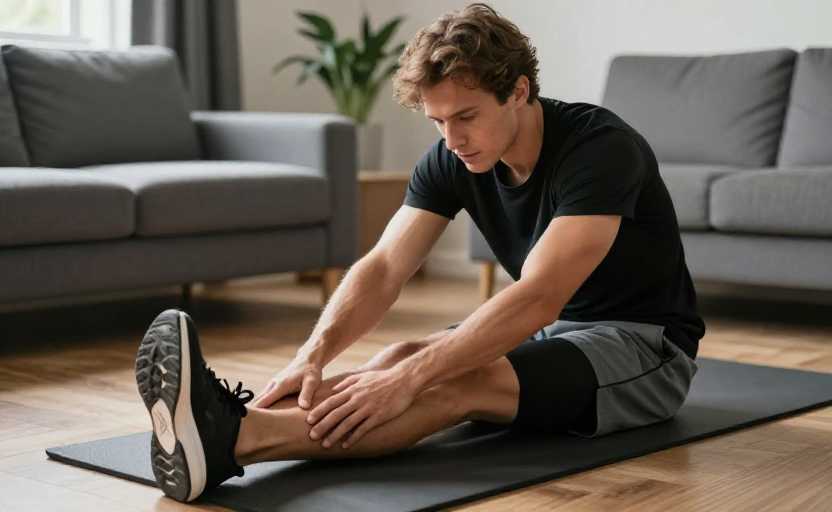
On the other hand, static stretching focuses on holding a position for an extended period, typically 20 to 30 seconds. This technique is ideal for cooling down after a workout or for daily practice aimed at long-term improvement. A popular example is the hamstring stretch, where one leg is extended and the body leans forward to engage the back of the thigh.
Proprioceptive Neuromuscular Facilitation (PNF) is another advanced method that combines both stretching and contracting muscles. Often used in rehabilitation settings, PNF can yield rapid improvements in flexibility by engaging the body’s neuromuscular system. A common PNF technique involves contracting the stretched muscle against resistance before relaxing into the stretch, effectively increasing the range of motion.

Integrating Flexibility into Daily Life
Incorporating flexibility training into daily routines doesn’t require hours in the gym. Simple practices such as morning stretches, yoga sessions, or even taking short breaks to move the body can have lasting effects. For office workers, for example, incorporating a few minutes of seated spinal twists or shoulder rolls can counteract the negative effects of prolonged sitting.
Moreover, consistency is key. Just like strength training, flexibility gains are best achieved through regular, mindful practice. Some individuals may find it helpful to use tools like resistance bands or foam rollers to enhance their stretching experience. These tools can provide additional support and allow for deeper, more controlled stretches.
Common Pitfalls and How to Avoid Them
Despite its benefits, flexibility training is often misapplied. One frequent mistake is pushing too hard too soon, which can lead to strain or injury. It’s important to listen to the body and avoid forcing a stretch beyond comfort. Another issue is neglecting the warm-up phase, which can limit the effectiveness of stretching and increase the risk of harm.
Additionally, many people focus only on the most obvious areas, such as the hamstrings or hips, while ignoring smaller but equally important muscles. A balanced approach ensures that the entire body remains mobile and resilient.
Real-World Applications and Benefits
The advantages of flexibility extend far beyond the gym. Athletes often use it to improve performance and reduce injury risk. For everyday individuals, enhanced flexibility can lead to better posture, reduced pain, and increased confidence in physical activities. In clinical settings, flexibility training is frequently prescribed for patients recovering from surgery or managing chronic conditions like arthritis.
Consider the case of a runner who experiences tightness in the iliotibial band. Incorporating targeted stretches and strengthening exercises can alleviate discomfort and prevent future issues. Similarly, office workers who suffer from neck and back pain may find relief through regular mobility work and ergonomic adjustments.
Final Thoughts
Flexibility training is a powerful tool that, when practiced correctly, can transform how the body functions and feels. It requires patience, consistency, and a willingness to adapt techniques to individual needs. By understanding the underlying principles and applying them thoughtfully, anyone can unlock greater mobility, comfort, and overall well-being. Whether you’re a seasoned athlete or a beginner, the journey toward improved flexibility is worth every stretch.
Disclaimer:
1. This article is sourced from the Internet. All content represents the author's personal views only and does not reflect the stance of this website. The author shall be solely responsible for the content.
2. Part of the content on this website is compiled from the Internet. This website shall not be liable for any civil disputes, administrative penalties, or other losses arising from improper reprinting or citation.
3. If there is any infringing content or inappropriate material, please contact us to remove it immediately. Contact us at:
