
Power Stretching Training
Power stretching training has emerged as a critical component in modern fitness and sports performance development. It is not merely about increasing flexibility but about enhancing the body’s ability to generate force efficiently through dynamic movement patterns. This approach bridges the gap between traditional static stretching and strength training, offering a more functional and effective way to improve athletic capability and reduce injury risk.

The Science Behind Power Stretching
At its core, power stretching leverages the principles of neuromuscular activation and proprioceptive feedback. Unlike passive stretching, which often involves holding a position for an extended period, power stretching incorporates controlled, active movements that engage both the muscular and nervous systems. This method activates the muscle spindles and Golgi tendon organs, which are essential for regulating muscle tension and joint stability. As a result, it enhances the body's responsiveness and readiness for high-intensity activities.
Consider the example of a sprinter preparing for a race. Instead of simply holding a hamstring stretch, they might perform dynamic movements like leg swings or walking lunges with resistance bands. These actions not only warm up the muscles but also prime them for explosive power output. The science behind this is rooted in the concept of "neural adaptation," where repeated exposure to specific movement patterns increases the efficiency of the motor units involved.
Practical Applications in Sports and Fitness
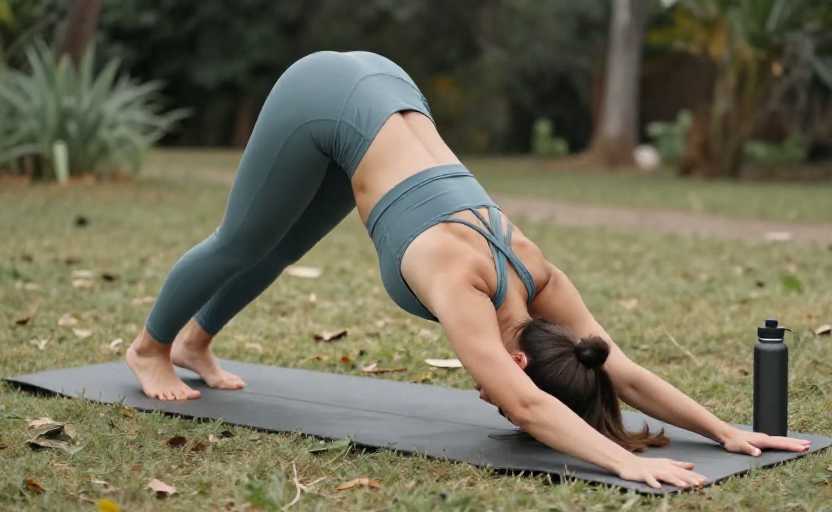
The benefits of power stretching extend beyond elite athletes. In everyday fitness routines, individuals can integrate these techniques to improve mobility, enhance performance, and prevent common injuries such as strains or sprains. For instance, a weightlifter may use power stretching before lifting to ensure their joints are mobile and their muscles are primed for the load. Similarly, a yoga practitioner might incorporate power stretching into their routine to deepen their poses while maintaining control and stability.
One notable case study involves a collegiate basketball team that implemented a structured power stretching protocol before each practice and game. Over the course of a season, the team reported fewer instances of lower-body injuries and improved vertical jump performance. This real-world application underscores the value of power stretching in both competitive and recreational settings.
Integrating Power Stretching into Your Routine
To effectively incorporate power stretching into a training regimen, it is important to start with a thorough warm-up. This ensures that the body is ready for more intense movements and reduces the risk of overexertion. A typical session might begin with light cardio, followed by dynamic stretches targeting the major muscle groups involved in the upcoming activity.
For example, a runner might focus on hip flexor mobilizations, ankle rotations, and glute activations before a long-distance run. Each movement should be performed with control and awareness, emphasizing quality over quantity. It is also beneficial to vary the exercises regularly to challenge different aspects of mobility and strength.
Common Misconceptions and Clarifications
Despite its growing popularity, power stretching is often misunderstood. One common misconception is that it replaces traditional stretching entirely. In reality, it complements static stretching by focusing on functional movement rather than isolated flexibility. Another misunderstanding is that it is only suitable for advanced athletes. However, with proper guidance and progression, individuals of all fitness levels can benefit from power stretching.
Additionally, some may confuse power stretching with ballistic stretching, which involves bouncing movements and can increase the risk of injury. Power stretching, on the other hand, emphasizes controlled, deliberate motions that promote safety and effectiveness.
Conclusion
In summary, power stretching training represents a significant evolution in how we approach physical preparation and performance enhancement. By combining elements of flexibility, strength, and neuromuscular coordination, it offers a holistic and practical solution for individuals seeking to improve their physical capabilities. Whether you are an athlete, a fitness enthusiast, or someone looking to maintain mobility as you age, integrating power stretching into your routine can yield substantial benefits. With consistent practice and a mindful approach, this method can become a cornerstone of your overall wellness strategy.
Disclaimer:
1. This article is sourced from the Internet. All content represents the author's personal views only and does not reflect the stance of this website. The author shall be solely responsible for the content.
2. Part of the content on this website is compiled from the Internet. This website shall not be liable for any civil disputes, administrative penalties, or other losses arising from improper reprinting or citation.
3. If there is any infringing content or inappropriate material, please contact us to remove it immediately. Contact us at:
