
Flexibility Training Objectives
The ultimate goal of flexibility training is to enhance physical performance, reduce injury risk, and improve overall quality of life through improved joint mobility and muscle elasticity. This objective is not just about achieving a greater range of motion; it is about creating a balanced, functional body that moves efficiently and with control.
Understanding the Purpose of Flexibility Training
At its core, flexibility training aims to increase the ability of muscles and connective tissues to stretch without tearing. This is crucial for maintaining or restoring normal movement patterns, which are essential for daily activities as well as athletic performance. Whether you're an athlete looking to gain a competitive edge or someone seeking to maintain independence in later years, flexibility plays a pivotal role.
Consider the case of a long-distance runner who experiences recurring hamstring strains. Without proper flexibility, even minor imbalances can lead to significant setbacks. By incorporating targeted stretching routines, this individual can not only prevent future injuries but also improve running efficiency and endurance.

The Role of Flexibility in Injury Prevention
Injury prevention is one of the most compelling reasons to prioritize flexibility training. Tight muscles can create biomechanical stress on joints and surrounding structures, increasing the likelihood of strains, sprains, and overuse injuries. For instance, a sedentary office worker may develop tight hip flexors due to prolonged sitting, leading to lower back pain and poor posture.
Regular flexibility exercises can counteract these issues by promoting better alignment and reducing muscular tension. It's not just about being able to touch your toes—it's about ensuring that your body functions as a well-oiled machine, capable of handling the demands placed upon it.
Enhancing Physical Performance Through Flexibility
For those engaged in sports or physical activity, flexibility is a key component of performance. Athletes often use dynamic stretching before workouts to prepare their bodies for movement, while static stretching after exercise helps promote recovery and maintain range of motion.
Take a gymnast, for example. Their ability to perform complex movements depends heavily on their flexibility. A lack of it could limit their range of motion, affect technique, and ultimately hinder their progress. By integrating regular flexibility sessions into their training regimen, they can achieve greater control, precision, and power.
Integrating Flexibility Into Daily Life
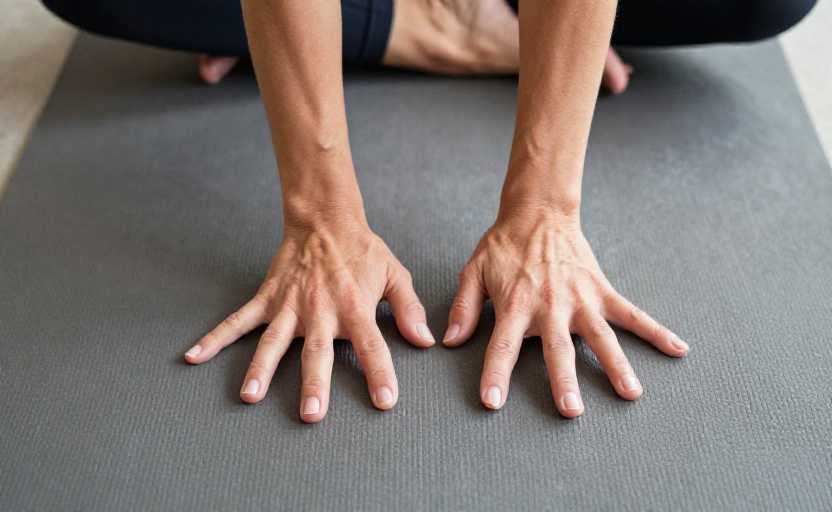
Flexibility isn't just for athletes or fitness enthusiasts—it's a valuable practice for everyone. Simple stretches can be done throughout the day, especially during breaks from sitting or repetitive tasks. These small efforts can have a big impact on overall well-being, helping to relieve tension, improve circulation, and boost energy levels.
Imagine a teacher who spends hours standing in front of a classroom. Without regular stretching, they may experience stiffness, fatigue, and discomfort. Incorporating short, mindful stretching routines can make a noticeable difference in their comfort and ability to focus.
Balancing Flexibility With Strength and Stability
While flexibility is important, it should not come at the expense of strength and stability. Overly loose joints without adequate support can lead to instability and increased injury risk. Therefore, a well-rounded approach to physical fitness includes both flexibility work and strength training.
A yoga practitioner, for instance, might focus on deep stretches to improve flexibility, but they also incorporate poses that build core strength and balance. This combination ensures that the body remains resilient and functional, capable of handling various physical challenges.
Conclusion
Flexibility training is more than just a routine—it's a fundamental aspect of physical health and performance. By understanding its purpose, integrating it into daily life, and balancing it with other forms of exercise, individuals can unlock new levels of mobility, resilience, and overall well-being. Whether you're aiming to prevent injury, enhance performance, or simply feel better in your body, the benefits of flexibility training are undeniable and far-reaching.
Disclaimer:
1. This article is sourced from the Internet. All content represents the author's personal views only and does not reflect the stance of this website. The author shall be solely responsible for the content.
2. Part of the content on this website is compiled from the Internet. This website shall not be liable for any civil disputes, administrative penalties, or other losses arising from improper reprinting or citation.
3. If there is any infringing content or inappropriate material, please contact us to remove it immediately. Contact us at:
