
The Power of Dance Conditioning
Dance is more than art—it is a physical and mental discipline that demands precision, strength, and endurance. At the heart of every compelling performance lies a foundation of effective dance conditioning, a practice that transforms raw talent into refined mastery. Whether on stage or in the studio, the ability to execute complex movements with control and grace hinges on the quality of one’s physical preparation.

Building the Foundation: Strength as the Core of Performance
Strength training for dancers is not about bulking up; it is about developing functional power that supports the body through the rigors of movement. Dancers engage in a unique form of athleticism, where every leap, turn, and stretch requires controlled force and stability. A well-structured conditioning program targets key muscle groups—such as the core, hips, and legs—to enhance balance, flexibility, and injury prevention. For instance, pliés and relevés are not just exercises—they are fundamental movements that build the lower-body strength necessary for explosive jumps and sustained turnout.
Beyond the Studio: The Role of Cross-Training
While traditional dance classes provide essential technical training, cross-training plays a vital role in creating a well-rounded dancer. Activities like yoga, Pilates, and even weightlifting can complement a dancer’s routine by improving posture, alignment, and overall body awareness. Consider a contemporary dancer who incorporates resistance bands into their warm-up: this not only strengthens the stabilizing muscles but also enhances the fluidity of movement. Similarly, a ballet dancer might benefit from swimming to improve cardiovascular endurance without the impact stress of jumping.
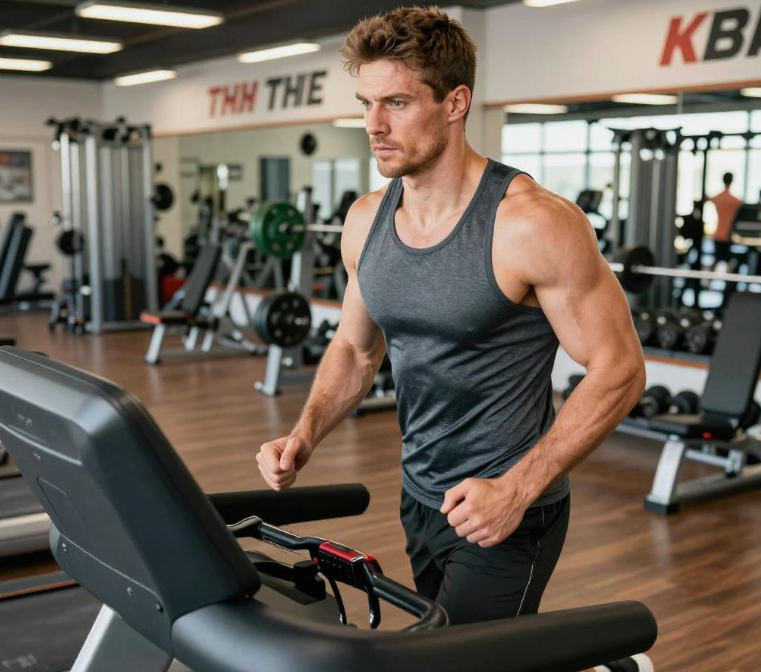
Mind and Body: The Psychological Impact of Conditioning
Physical conditioning is not solely about the body—it also shapes the mind. The discipline required to maintain a consistent training regimen fosters mental resilience, focus, and perseverance. Dancers who prioritize their physical health often report greater confidence and a deeper connection to their craft. This synergy between body and mind is what allows performers to push beyond their limits, whether during a demanding rehearsal or under the pressure of a live audience.
Real-World Application: From Classroom to Stage
The benefits of dance conditioning become most evident when applied in real-world scenarios. Imagine a hip-hop dancer preparing for a festival performance: their strength training enables them to execute high-energy sequences with consistency, while their flexibility work ensures they can adapt to different styles. Or picture a ballerina recovering from an injury—her structured rehabilitation program, which includes targeted strength and mobility exercises, becomes the bridge back to full performance readiness. These examples highlight how conditioning is not just a preparatory step but a continuous process that supports artistic growth.
A Personal Perspective: Lessons from the Field
Having worked with dancers across multiple genres, I have seen firsthand how a strong conditioning routine can transform both technique and confidence. One student, initially hesitant due to recurring ankle issues, found lasting relief after integrating proprioceptive training into her daily routine. Another, struggling with stamina, improved dramatically by incorporating interval-based cardio sessions. These stories underscore the importance of tailoring conditioning programs to individual needs, rather than applying a one-size-fits-all approach.
Conclusion: The Unseen Engine of Excellence
In the world of dance, the true magic often happens behind the scenes. It is in the hours spent strengthening the body, refining the mind, and building the endurance needed to perform at the highest level. Dance conditioning is not just a tool—it is the unseen engine that drives every successful performance. By embracing this holistic approach, dancers unlock their full potential, ensuring that their artistry is supported by a powerful, resilient body.
Disclaimer:
1. This article is sourced from the Internet. All content represents the author's personal views only and does not reflect the stance of this website. The author shall be solely responsible for the content.
2. Part of the content on this website is compiled from the Internet. This website shall not be liable for any civil disputes, administrative penalties, or other losses arising from improper reprinting or citation.
3. If there is any infringing content or inappropriate material, please contact us to remove it immediately. Contact us at:
