
Preventing Sports Injuries: A Reflection and Evaluation of the Teaching Plan
The implementation of a well-structured sports injury prevention teaching plan has proven to be a critical component in ensuring the safety and long-term engagement of athletes. By integrating practical knowledge, proactive strategies, and continuous evaluation, educators can significantly reduce the risk of injuries while fostering a culture of awareness and responsibility among participants. This article reflects on the design, execution, and outcomes of such a plan, offering insights into its effectiveness and areas for improvement.
The Foundation of Injury Prevention Education
At the heart of any effective injury prevention strategy lies a solid educational foundation. The curriculum was designed to cover essential topics such as proper warm-up techniques, biomechanics, strength training, and the recognition of early signs of overuse or strain. These elements were not just theoretical; they were embedded with real-world applications to ensure that students could immediately apply what they learned. For instance, during a session on dynamic stretching, students were guided through a series of movements that mirrored common athletic activities, reinforcing both understanding and retention.
One notable aspect of the lesson was the use of video demonstrations and live modeling by experienced coaches. This approach helped bridge the gap between theory and practice, making abstract concepts more tangible. It also allowed students to observe how small adjustments in form or technique could prevent major injuries, a realization that many found eye-opening.

Practical Application and Student Engagement
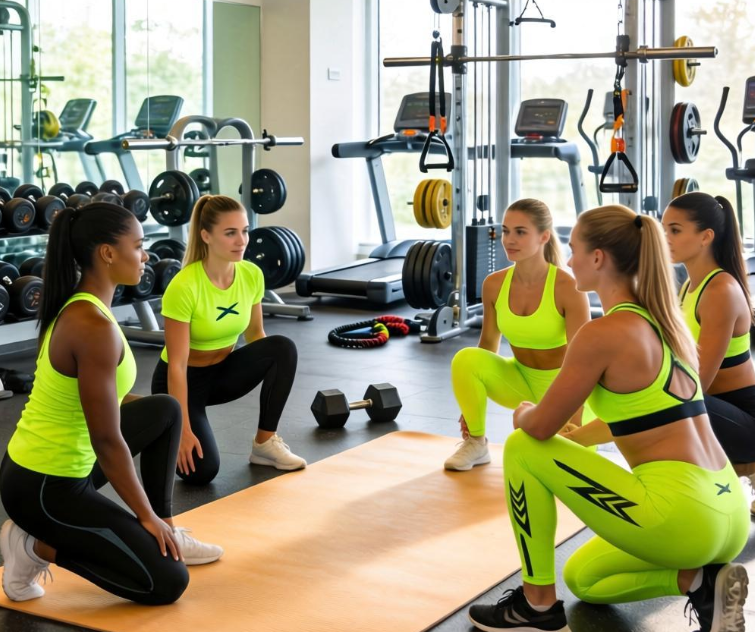
The success of the teaching plan hinged on its ability to engage students actively. Traditional lectures were supplemented with interactive workshops where participants practiced injury prevention techniques in simulated game scenarios. For example, a session focused on ankle stability involved students performing balance drills and using resistance bands to strengthen lower leg muscles. These hands-on activities not only increased participation but also deepened comprehension.
Another key element was the inclusion of peer discussions and group reflections. Students were encouraged to share their own experiences with injuries or near-misses, which created a sense of community and mutual learning. This open dialogue helped highlight the personal stakes involved in injury prevention, making the topic more relatable and urgent.
Evaluation and Feedback Mechanisms
Assessment was an ongoing process, not a one-time event. Regular quizzes, skill demonstrations, and self-evaluation forms were used to track progress and identify areas needing reinforcement. One particularly useful tool was a post-session reflection journal where students documented their understanding and any questions they had. This provided valuable feedback for instructors, allowing them to adjust the curriculum based on student needs.
Interestingly, some students initially struggled with the concept of proactive injury management, perceiving it as less immediate than other aspects of training. However, as the course progressed, this mindset shifted. Through consistent reinforcement and real-life examples, students began to see the long-term benefits of injury prevention—not just for their performance, but for their overall health and longevity in sports.
Challenges and Areas for Improvement
Despite its strengths, the teaching plan was not without challenges. Time constraints sometimes limited the depth of coverage on certain topics, and not all students had equal access to the necessary equipment for hands-on practice. Additionally, while the curriculum was comprehensive, some participants expressed a desire for more individualized guidance, especially those with pre-existing conditions or unique physical needs.
Another area for refinement was the integration of technology. While videos and digital resources were used, there was potential for more interactive platforms—such as virtual reality simulations or mobile apps—that could enhance engagement and provide personalized feedback. Incorporating these tools might make the learning experience even more immersive and effective.
Conclusion and Future Directions
In conclusion, the sports injury prevention teaching plan demonstrated the value of combining education with practical application. It succeeded in raising awareness, improving skills, and fostering a proactive mindset among students. However, like any educational initiative, it is a living document that requires continuous adaptation and innovation.
Looking ahead, future iterations of the plan should focus on expanding accessibility, integrating more advanced technologies, and tailoring content to meet the diverse needs of participants. By doing so, educators can ensure that injury prevention remains a central and evolving part of sports training, benefiting athletes at every level.
Disclaimer:
1. This article is sourced from the Internet. All content represents the author's personal views only and does not reflect the stance of this website. The author shall be solely responsible for the content.
2. Part of the content on this website is compiled from the Internet. This website shall not be liable for any civil disputes, administrative penalties, or other losses arising from improper reprinting or citation.
3. If there is any infringing content or inappropriate material, please contact us to remove it immediately. Contact us at:
