
The Causes Behind Joint Cracking During Strength Training
When individuals engage in strength training, it's not uncommon to hear a popping or cracking sound from their joints—particularly the knees, shoulders, and fingers. This phenomenon, often referred to as joint cracking or crepitus, can be both intriguing and concerning for many people. While it is generally harmless, understanding what causes this sound can help demystify the experience and provide reassurance.
Understanding the Mechanism of Joint Cracking
The most widely accepted explanation for joint cracking involves the release of gas bubbles within the synovial fluid that surrounds the joints. Synovial fluid acts as a lubricant, reducing friction between the cartilage surfaces during movement. When a joint is stretched or manipulated, the pressure within the joint space decreases, causing these dissolved gases—primarily nitrogen, oxygen, and carbon dioxide—to form bubbles. As these bubbles collapse or pop, they produce the characteristic cracking sound. This process, known as cavitation, is a natural occurrence and does not necessarily indicate damage or wear.
Strength Training and Joint Movement
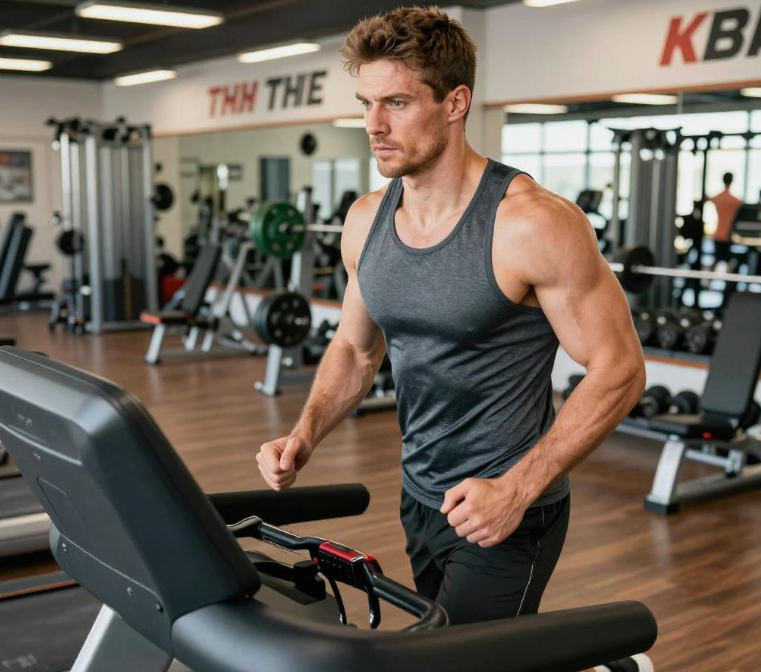
During strength training, especially exercises that involve large ranges of motion or heavy resistance, the joints are subjected to increased stress and movement. For instance, when performing squats, deadlifts, or overhead presses, the knee and shoulder joints undergo significant flexion and extension. These movements can lead to the rapid changes in joint pressure that contribute to the formation and subsequent popping of gas bubbles. It's important to note that this is not exclusive to strength training; similar sounds can occur during everyday activities like stretching or yawning.
Other Possible Causes
While gas bubble release is the primary cause, there are other factors that might contribute to joint cracking. One such factor is the movement of tendons or ligaments over bony structures. As these soft tissues glide across the bones, they can create a snapping or popping sound. This is more common in areas with less cushioning, such as the wrists or ankles. Additionally, the presence of loose bodies—small fragments of cartilage or bone—within the joint can also result in unusual noises during movement. However, these cases are typically associated with pain or swelling, which is not usually present during routine strength training.

Is Joint Cracking Harmful?
In most cases, joint cracking during strength training is not harmful. Many athletes and fitness enthusiasts report hearing these sounds regularly without any adverse effects. However, if the cracking is accompanied by pain, swelling, or a decrease in range of motion, it may signal an underlying issue that requires medical attention. It’s also worth noting that repetitive joint cracking, especially if done intentionally, has been linked to potential long-term issues, though the evidence remains inconclusive.
Practical Considerations for Trainees
For those who experience joint cracking during their workouts, there is no need for alarm unless other symptoms are present. Maintaining proper form, gradually increasing intensity, and ensuring adequate warm-up and cool-down routines can help minimize unnecessary joint stress. Incorporating mobility work and strengthening the surrounding musculature can also support joint stability and reduce the likelihood of excessive noise during movement.
Conclusion
Joint cracking during strength training is a common occurrence, rooted primarily in the physical properties of synovial fluid and the mechanics of joint movement. While it may seem alarming at first, it is generally a benign phenomenon. Understanding the science behind it can help trainees feel more confident about their workouts and recognize when further evaluation might be necessary. As with any aspect of fitness, awareness and informed practice are key to maintaining long-term health and performance.
Disclaimer:
1. This article is sourced from the Internet. All content represents the author's personal views only and does not reflect the stance of this website. The author shall be solely responsible for the content.
2. Part of the content on this website is compiled from the Internet. This website shall not be liable for any civil disputes, administrative penalties, or other losses arising from improper reprinting or citation.
3. If there is any infringing content or inappropriate material, please contact us to remove it immediately. Contact us at:
