
What Are the Common Fitness Programs Offered at Gyms?
Gym memberships have become a staple for many individuals seeking to improve their physical health, build strength, or simply stay active. The range of fitness programs available varies significantly depending on the gym’s size, location, and target demographic. However, most modern facilities offer a diverse array of options designed to cater to different goals, skill levels, and interests.
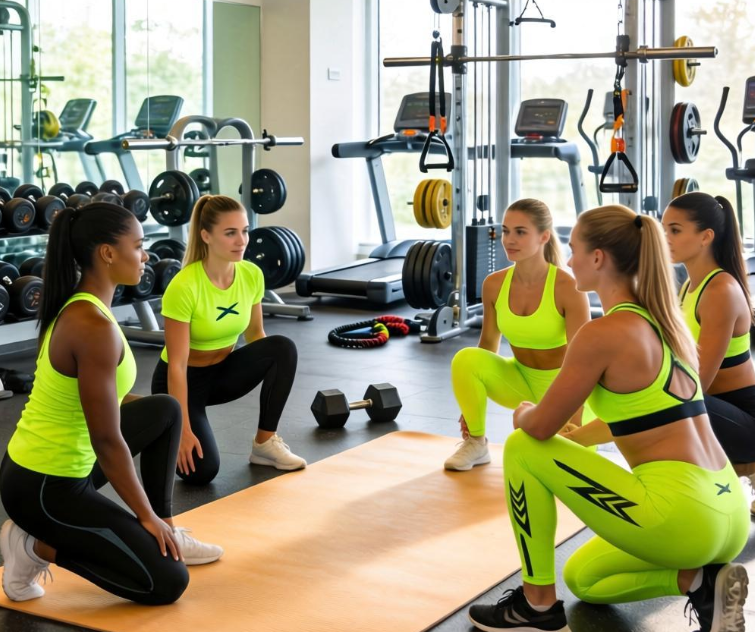
Cardiovascular Training: The Foundation of Fitness
At the heart of any well-rounded gym experience is cardiovascular training. This category includes activities such as running on treadmills, cycling on stationary bikes, using elliptical machines, or even participating in group classes like spin or Zumba. These exercises are essential for improving heart health, increasing stamina, and burning calories. Many gyms also feature rowing machines or stair climbers, which provide a full-body workout while elevating the heart rate. For those who prefer outdoor activity, some facilities offer access to running tracks or even bike rental services.
Strength Training: Building Muscle and Improving Posture
Strength training is another cornerstone of most gym programs. It involves the use of free weights, weight machines, resistance bands, or bodyweight exercises to build muscle mass, enhance bone density, and improve overall body composition. Beginners often start with basic compound movements like squats, deadlifts, and bench presses, while more advanced members may explore specialized routines such as powerlifting or functional training. Some gyms also incorporate equipment like kettlebells or suspension trainers to add variety and challenge to traditional lifting sessions.

Group Classes: Community and Motivation
One of the most popular aspects of gym membership is the availability of group fitness classes. These sessions bring together individuals with similar goals, creating a sense of community and shared motivation. Popular class types include yoga, Pilates, HIIT (High-Intensity Interval Training), boot camps, and dance-based workouts. Each class has its own unique benefits—yoga enhances flexibility and mental focus, while HIIT provides an efficient way to burn fat and boost metabolism. The social aspect of these classes can be particularly motivating for people who thrive in a collaborative environment.
Specialized Programs: Tailored for Specific Goals
Beyond the standard offerings, many gyms now provide specialized programs to address specific needs or ambitions. These might include personal training sessions, where a certified trainer works one-on-one with a client to create a customized workout plan. There are also programs focused on rehabilitation, such as physiotherapy-based exercise regimens for individuals recovering from injuries. Additionally, some facilities offer sports-specific training for athletes, focusing on agility, speed, and endurance tailored to particular disciplines.
Recovery and Wellness Services: Supporting Holistic Health
Modern gyms increasingly recognize the importance of recovery and wellness beyond just physical exercise. Services such as massage therapy, physiotherapy, and even nutritional counseling are becoming more common. Some facilities also include saunas, steam rooms, or hydrotherapy pools to aid in muscle recovery and relaxation. These amenities reflect a growing trend toward holistic health, where fitness is viewed as part of a broader lifestyle approach rather than a standalone activity.
Conclusion
In summary, the fitness programs available at gyms today are far more than just a collection of machines and equipment. They represent a dynamic ecosystem of activities, services, and community-driven experiences designed to support individuals in achieving their health and wellness goals. Whether someone is looking to lose weight, gain strength, or simply stay active, there is likely a program that fits their needs. As the fitness industry continues to evolve, so too will the diversity and innovation of the programs offered, ensuring that there is always something new to explore.
Disclaimer:
1. This article is sourced from the Internet. All content represents the author's personal views only and does not reflect the stance of this website. The author shall be solely responsible for the content.
2. Part of the content on this website is compiled from the Internet. This website shall not be liable for any civil disputes, administrative penalties, or other losses arising from improper reprinting or citation.
3. If there is any infringing content or inappropriate material, please contact us to remove it immediately. Contact us at:
