
Does Turning on the Air Conditioning in a Gym Affect Your Workout?
The short answer is yes—air conditioning in a gym can have an impact on your workout, but the effects vary depending on how it's used and individual preferences. Understanding these nuances helps create a more effective and comfortable environment for all gym-goers.
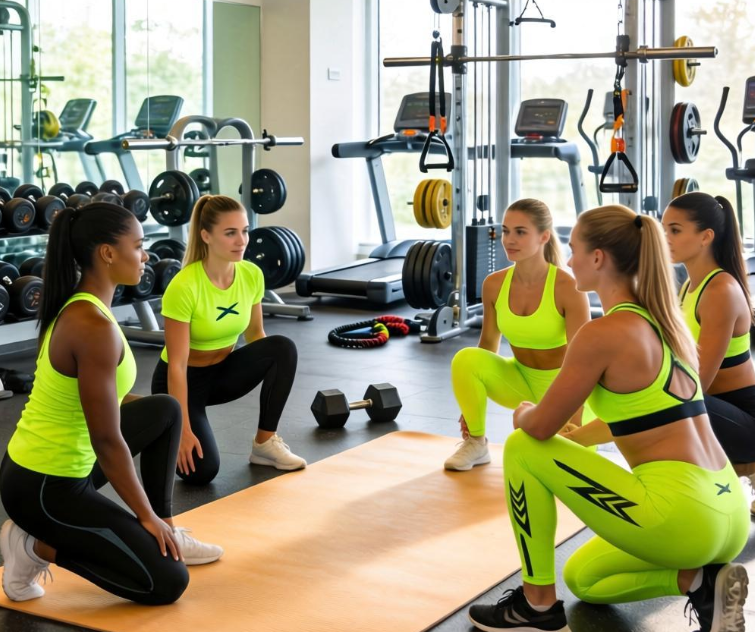
The Science Behind Temperature and Exercise Performance
Temperature plays a crucial role in physical performance. When you exercise, your body generates heat, and maintaining a stable internal temperature becomes essential. In a typical gym setting, air conditioning serves to regulate the ambient temperature, preventing overheating and ensuring a more controlled environment. However, if the AC is too cold or too strong, it might lead to muscle stiffness or even reduce the effectiveness of certain types of training, such as strength or flexibility exercises.
On the other hand, a well-balanced climate can enhance endurance and focus. For instance, moderate cooling can help prevent fatigue during long cardio sessions, making it easier to push through intense intervals. It also supports recovery by reducing post-exercise discomfort, especially after high-intensity workouts.
Real-World Scenarios: How Gyms Handle Climate Control
Many commercial gyms use smart HVAC systems that adjust based on occupancy and time of day. During peak hours, when the room is full of people working out, the AC might run at higher capacity to manage heat buildup. Conversely, early mornings or late evenings may see lower usage, allowing for a more relaxed temperature setting.
Some fitness centers take a personalized approach, offering adjustable zones or allowing members to request specific temperature settings in certain areas. This flexibility can be particularly beneficial for individuals with different physiological needs or those recovering from injuries.

Personal Insights: Balancing Comfort and Functionality
From a trainer’s perspective, the goal is to create an environment that supports both comfort and performance. While some clients prefer a cooler space to stay alert and focused, others find that a slightly warmer room helps them loosen up before stretching or lifting. The key lies in finding a middle ground that accommodates the majority without compromising safety or effectiveness.
In one case, a client who struggled with joint pain found that a slightly warmer room helped ease stiffness, making their routine more consistent. Meanwhile, another member reported improved concentration during HIIT sessions in a cooler setting. These examples highlight the importance of individualized approaches within a structured environment.
Practical Tips for Gymgoers
If you're concerned about how the AC might affect your workout, consider the following tips:
- Dress appropriately: Layering allows you to adjust to temperature changes without being too hot or too cold.
- Warm up thoroughly: Especially in cooler environments, a proper warm-up can help prevent injury and improve performance.
- Stay hydrated: Even in a cool gym, your body still loses fluids through sweat, so make sure to drink enough water throughout your session.
- Communicate with staff: If you feel the temperature is uncomfortable, don’t hesitate to let the gym staff know—they may be able to adjust the settings or provide alternative solutions.
Conclusion
Air conditioning in a gym is not inherently bad—it can be a valuable tool for enhancing comfort and performance. However, its effectiveness depends on how it's managed and how well it aligns with individual needs. By understanding the relationship between temperature and physical activity, both gym operators and members can work together to create a more balanced and productive workout environment.
Disclaimer:
1. This article is sourced from the Internet. All content represents the author's personal views only and does not reflect the stance of this website. The author shall be solely responsible for the content.
2. Part of the content on this website is compiled from the Internet. This website shall not be liable for any civil disputes, administrative penalties, or other losses arising from improper reprinting or citation.
3. If there is any infringing content or inappropriate material, please contact us to remove it immediately. Contact us at:
