
What Are the Flexibility Training Exercises in Sports
Flexibility training is a cornerstone of physical fitness, offering benefits that extend beyond mere range of motion. It enhances performance, reduces injury risk, and supports long-term musculoskeletal health. Whether you're an athlete, a casual exerciser, or someone looking to improve daily mobility, incorporating flexibility exercises into your routine can yield significant rewards.
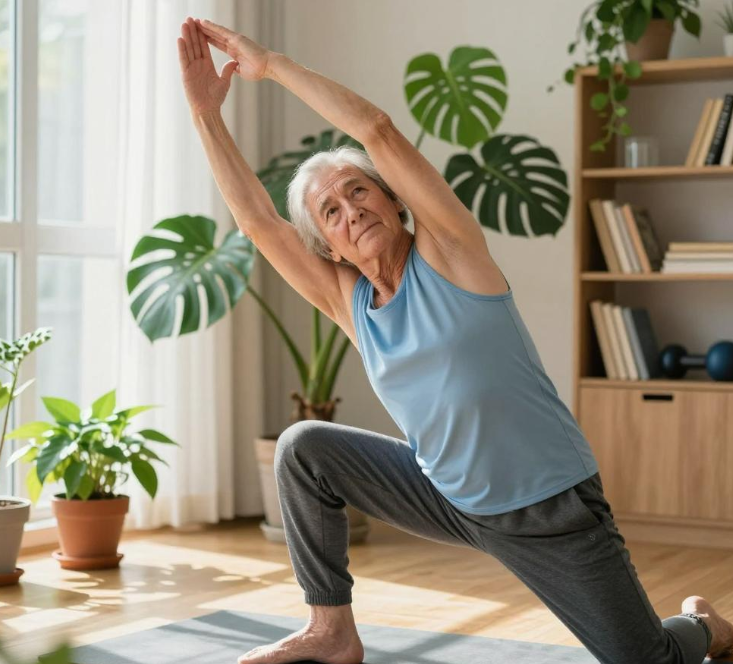
Understanding the Importance of Flexibility
At its core, flexibility refers to the ability of joints to move through their full range of motion. This capacity is influenced by factors such as muscle length, joint structure, and connective tissue elasticity. In sports, flexibility plays a critical role in optimizing movement efficiency, preventing overuse injuries, and improving recovery times. For instance, a gymnast requires exceptional hip and shoulder flexibility to execute complex routines, while a runner benefits from supple hamstrings to maintain proper stride mechanics.
Common Flexibility Training Exercises
There are numerous types of flexibility exercises, each with unique applications and benefits. Static stretching, dynamic stretching, proprioceptive neuromuscular facilitation (PNF), and myofascial release techniques are among the most widely used methods.
Static stretching involves holding a stretch for 15–30 seconds without movement. This method is ideal for post-workout cooldowns, as it helps relax muscles and reduce tension. A classic example is the hamstring stretch, where one sits on the floor with legs extended and reaches toward the toes.
Dynamic stretching, on the other hand, involves controlled movements that mimic the activity about to be performed. It is particularly useful before exercise, as it prepares the body for action. Examples include leg swings, arm circles, and walking lunges. These movements increase blood flow, activate muscles, and enhance neuromuscular coordination.
PNF stretching combines both stretching and contracting muscles to achieve greater flexibility. One popular technique is the contract-relax method, where a muscle is first contracted against resistance and then stretched. This approach is often used in rehabilitation settings and by athletes seeking rapid improvements in range of motion.
Myofascial release focuses on releasing tightness in the fascia, the connective tissue surrounding muscles. Tools like foam rollers or massage balls are commonly used to apply pressure to specific areas, promoting relaxation and improved mobility. This technique is especially beneficial for individuals who spend long hours sitting or engaging in repetitive motions.

Incorporating Flexibility into Daily Routines
Integrating flexibility training doesn’t have to be time-consuming or complicated. Even a few minutes of stretching each day can lead to noticeable improvements over time. For those new to the practice, starting with simple static stretches and gradually introducing more advanced techniques can build confidence and consistency.
Consider the case of a basketball player who incorporates yoga sessions into their weekly schedule. The combination of balance poses, forward folds, and deep hip openers not only improves flexibility but also enhances mental focus and body awareness. Similarly, office workers can benefit from regular desk stretches, such as neck rolls, shoulder shrugs, and seated spinal twists, to counteract the effects of prolonged sitting.
The Role of Consistency and Mindfulness
Flexibility is not something that can be achieved overnight. It requires consistent effort and a mindful approach. Over time, the body adapts to repeated stretching, leading to gradual increases in range of motion. However, it’s important to listen to your body and avoid pushing past discomfort, as this can lead to strain or injury.
Moreover, mindfulness during stretching—such as focusing on breath control and muscle engagement—can deepen the effectiveness of each exercise. This mind-body connection is a key aspect of many flexibility practices, including tai chi and Pilates.
Conclusion
Flexibility training is far more than a warm-up or cool-down activity—it is a vital component of any well-rounded fitness regimen. By understanding the different types of exercises available and how to incorporate them effectively, individuals can unlock greater physical potential, reduce injury risks, and enjoy a more balanced, active lifestyle. Whether you're a seasoned athlete or just beginning your fitness journey, making flexibility a priority can transform your approach to movement and overall well-being.
Disclaimer:
1. This article is sourced from the Internet. All content represents the author's personal views only and does not reflect the stance of this website. The author shall be solely responsible for the content.
2. Part of the content on this website is compiled from the Internet. This website shall not be liable for any civil disputes, administrative penalties, or other losses arising from improper reprinting or citation.
3. If there is any infringing content or inappropriate material, please contact us to remove it immediately. Contact us at:
