
Home Fitness Guide
In an era where time and access to traditional gyms are often limited, home fitness has emerged as a practical and effective alternative for maintaining physical health. With the right approach, individuals can achieve significant results from the comfort of their own space, making it an accessible solution for people with busy schedules or those who prefer a more private workout environment.
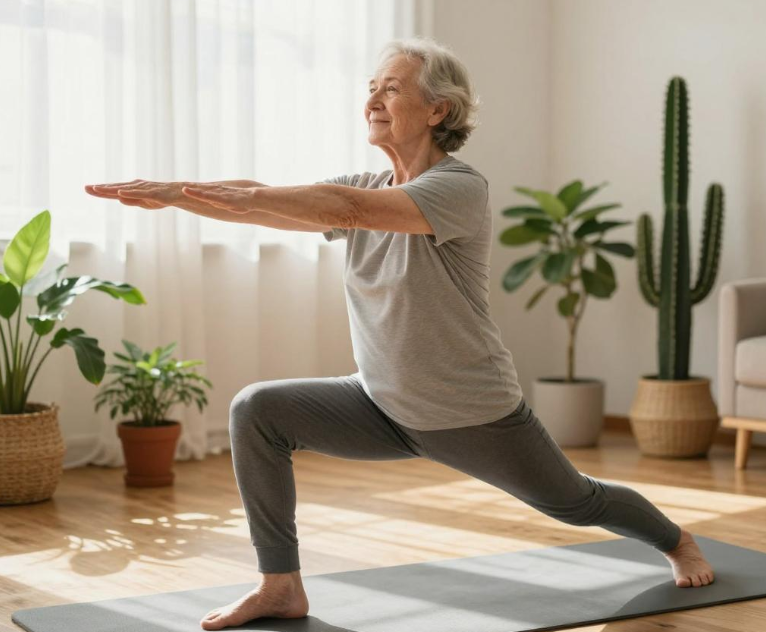
The Benefits of Home Fitness
Working out at home offers a range of advantages that extend beyond convenience. One of the most notable benefits is the flexibility it provides. Unlike a gym, which operates on fixed hours, a home workout can be tailored to fit any schedule. Whether it’s early morning or late evening, the ability to exercise whenever it suits you can significantly enhance consistency. Additionally, home workouts eliminate the need for commuting, saving both time and energy. This makes it easier to maintain a regular routine, which is essential for long-term fitness success.
Another advantage is the sense of privacy and control. For many, the idea of exercising in public can be intimidating or uncomfortable. A home environment allows for greater personalization, enabling individuals to choose their preferred music, lighting, and even workout attire without judgment. This can lead to a more enjoyable and motivating experience, which is crucial for sustaining motivation over time.
Setting Up Your Home Gym
Creating a functional home gym doesn’t require a large investment or extensive space. A small area with enough room to move freely is all that is needed. Essential equipment may include items like dumbbells, resistance bands, a yoga mat, and a pull-up bar. However, many effective exercises can be performed using just body weight, such as push-ups, squats, and planks. The key is to identify your fitness goals and select tools that align with them.
For example, if strength training is the focus, investing in adjustable dumbbells or a kettlebell can provide a wide range of resistance levels. If flexibility and core strength are priorities, a yoga mat and resistance bands can be highly beneficial. Even basic household items like water bottles or backpacks filled with books can serve as makeshift weights for certain exercises. The goal is to create a setup that supports your specific needs without overwhelming you with unnecessary gear.
Designing an Effective Workout Plan
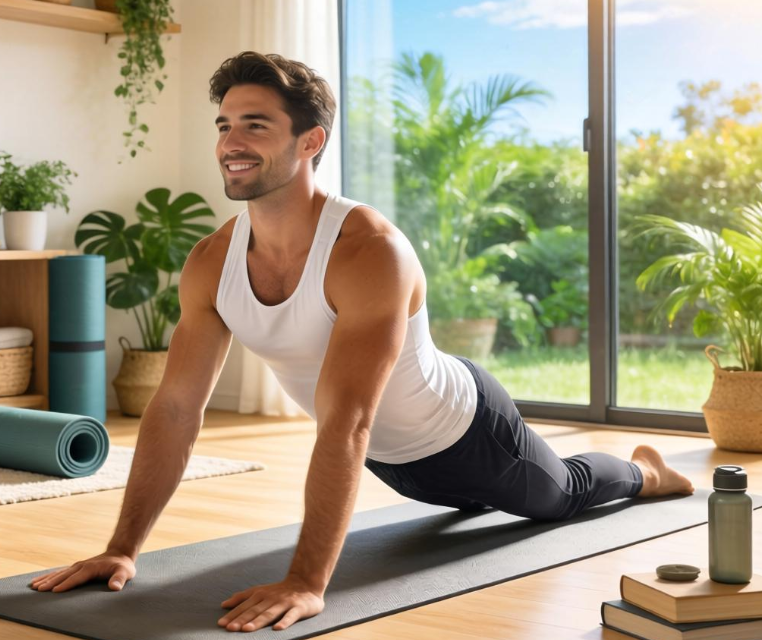
A well-structured workout plan is essential for achieving fitness goals. It should include a mix of cardiovascular exercises, strength training, and flexibility work. Cardiovascular activities such as jumping jacks, high knees, or jogging in place help improve heart health and burn calories. Strength training, whether with weights or bodyweight, builds muscle and increases metabolism. Flexibility exercises like stretching or yoga contribute to overall mobility and reduce the risk of injury.
It’s also important to incorporate variety into your routine. Doing the same exercises repeatedly can lead to boredom and plateaus. By rotating through different movements and intensities, you keep your workouts engaging and challenge your body in new ways. For instance, one week might focus on full-body strength, while the next could emphasize lower-body endurance or upper-body toning. This dynamic approach not only keeps things interesting but also promotes balanced development.
Staying Motivated and Tracking Progress
Maintaining motivation is a common challenge when working out at home. Without the social interaction of a gym, it can be easy to lose enthusiasm. To combat this, setting clear, achievable goals can help keep you focused. Whether it’s completing a certain number of workouts per week or improving your performance in a specific exercise, having measurable targets can provide a sense of accomplishment.
Tracking progress is another powerful motivator. Keeping a journal or using a fitness app to log your workouts, measurements, and how you feel after each session can offer valuable insights. Over time, you’ll be able to see improvements in strength, endurance, and overall well-being, which can reinforce your commitment to the routine.
Overcoming Common Challenges
One of the biggest hurdles in home fitness is staying consistent. Distractions, lack of accountability, and fluctuating energy levels can all interfere with a regular workout habit. To stay on track, consider setting a specific time each day for exercise and treating it as a non-negotiable appointment. Creating a dedicated workout space can also help signal to your brain that it’s time to focus on fitness.
Another challenge is the temptation to skip workouts due to fatigue or discomfort. It’s important to listen to your body but also recognize that pushing through mild discomfort can lead to growth. If you’re feeling particularly tired, opt for a shorter, less intense session instead of skipping entirely. The key is to remain active and engaged, even on days when motivation is low.
Conclusion
Home fitness is not just a temporary trend—it represents a sustainable and flexible approach to maintaining physical health. With the right mindset, proper planning, and consistent effort, anyone can build a successful home workout routine. Whether you're looking to lose weight, build strength, or simply stay active, the possibilities are vast. By embracing the freedom and flexibility of working out at home, you take control of your fitness journey and set yourself up for long-term success.
Disclaimer:
1. This article is sourced from the Internet. All content represents the author's personal views only and does not reflect the stance of this website. The author shall be solely responsible for the content.
2. Part of the content on this website is compiled from the Internet. This website shall not be liable for any civil disputes, administrative penalties, or other losses arising from improper reprinting or citation.
3. If there is any infringing content or inappropriate material, please contact us to remove it immediately. Contact us at:
