
The Role of Core Strength in Vocal Training
Core strength is often overlooked in vocal training, yet it plays a fundamental role in supporting breath control, vocal projection, and overall vocal health. A strong core not only enhances the singer’s ability to sustain notes and deliver powerful phrases but also contributes to better posture and reduced vocal strain. This article explores how integrating core strength exercises into a vocal training regimen can significantly improve a singer's performance and longevity.
Understanding the Connection Between Core Strength and Vocal Performance
At its core, singing is a physical act that requires precise coordination between the respiratory system, the voice production mechanism, and the body’s musculature. The core muscles—comprising the abdominals, lower back, and pelvic floor—act as a stabilizing force, providing the necessary support for efficient breathing and controlled vocal output. When these muscles are weak, singers may experience issues such as breathiness, vocal fatigue, or an inability to maintain consistent volume.
Consider a soprano attempting to hold a high note for an extended period. Without a stable core, she might compensate by tensing her shoulders or neck, which can lead to vocal strain. On the contrary, a singer with a well-developed core can engage in diaphragmatic breathing more effectively, allowing for greater control and endurance during demanding passages.
Practical Applications of Core Strength in Vocal Practice
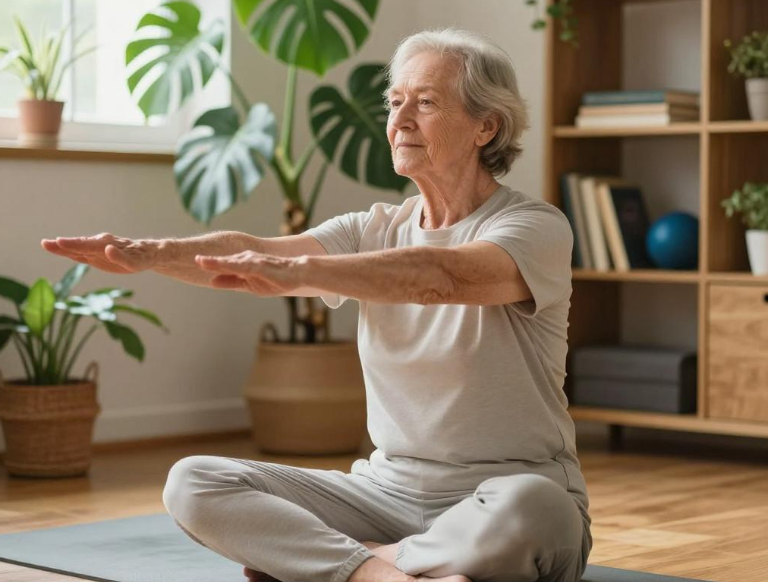
Incorporating core-strengthening exercises into a daily routine can yield tangible benefits for vocalists. Pilates, yoga, and specific resistance training routines are excellent options. These practices not only build muscle strength but also promote body awareness, which is crucial for maintaining proper posture and alignment while singing.
For instance, a simple plank exercise can help strengthen the transverse abdominis, a key muscle involved in breath support. Similarly, engaging in rotational movements, such as those found in yoga, can enhance the flexibility of the torso, allowing for more natural and expressive vocal delivery. These exercises don’t need to be time-consuming; even a few minutes of focused core work each day can make a difference over time.
Case Studies and Real-World Examples
Professional vocalists often emphasize the importance of physical conditioning alongside technical training. Renowned opera singer Renée Fleming has spoken about how her rigorous fitness routine, including core workouts, helps her maintain stamina during long performances. Similarly, pop artists like Adele have credited their vocal endurance to a combination of vocal technique and physical conditioning.
These examples illustrate that core strength is not just a side benefit but a critical component of a singer’s overall development. It supports the body’s ability to handle the demands of professional singing, from sustained notes to dynamic shifts in volume and intensity.

Balancing Technique and Physical Conditioning
While it is essential to focus on core strength, it should not overshadow the primary goal of vocal training: developing a healthy, expressive voice. The integration of physical exercises must be done thoughtfully, ensuring that they complement rather than interfere with vocal technique. Singers should work closely with vocal coaches and, if possible, physical trainers to tailor their routines to their specific needs.
A balanced approach allows for a more holistic development, where physical and vocal skills reinforce each other. This synergy can lead to greater confidence, improved performance quality, and a longer, healthier career in the music industry.
Conclusion
In conclusion, core strength training is an indispensable element of modern vocal education. It provides the physical foundation necessary for effective breath control, vocal stability, and expressive power. By recognizing the interplay between the body and the voice, singers can unlock new levels of performance and resilience. As the demands on vocalists continue to evolve, so too must the methods used to support their craft. Embracing core strength as a vital part of training is not just beneficial—it is essential.
Disclaimer:
1. This article is sourced from the Internet. All content represents the author's personal views only and does not reflect the stance of this website. The author shall be solely responsible for the content.
2. Part of the content on this website is compiled from the Internet. This website shall not be liable for any civil disputes, administrative penalties, or other losses arising from improper reprinting or citation.
3. If there is any infringing content or inappropriate material, please contact us to remove it immediately. Contact us at:
