
How to Maintain Postural Correction
Correcting one's posture is a significant step toward better health and physical well-being, but the real challenge lies in maintaining that improvement over time. Without consistent effort and mindful habits, the progress made during correction can easily be undone. The journey doesn’t end once the posture looks better—it’s just the beginning of a long-term commitment to body awareness and lifestyle adjustments.

Understanding the Importance of Maintenance
Posture is not a static condition; it evolves with daily activities, emotional states, and even environmental factors. A person who has undergone postural correction may find themselves slipping back into old patterns if they don’t actively reinforce the new habits. This is why maintenance is crucial. It involves more than just remembering to stand straight—it requires a holistic approach that includes physical training, mental awareness, and lifestyle modifications.
Consider the case of an office worker who spent months correcting their slouched posture through targeted exercises and ergonomic adjustments. After achieving visible improvements, they might return to their usual routine without realizing how quickly bad habits can reassert themselves. A single day of poor sitting posture or lack of movement can set them back significantly.
Building Sustainable Habits
Creating lasting change starts with building sustainable habits. Rather than relying on short-term fixes, individuals should focus on integrating postural awareness into their daily routines. Simple actions like taking regular breaks from sitting, using a supportive chair, and practicing mindful breathing can all contribute to maintaining proper alignment.
One effective strategy is to develop a personalized routine that includes specific stretches, strength-building exercises, and body-check-ins throughout the day. For instance, setting a reminder every hour to stand up, stretch, and check posture can help reinforce the new habit. Over time, these small actions become second nature, reducing the likelihood of reverting to old patterns.
The Role of Physical Training and Body Awareness
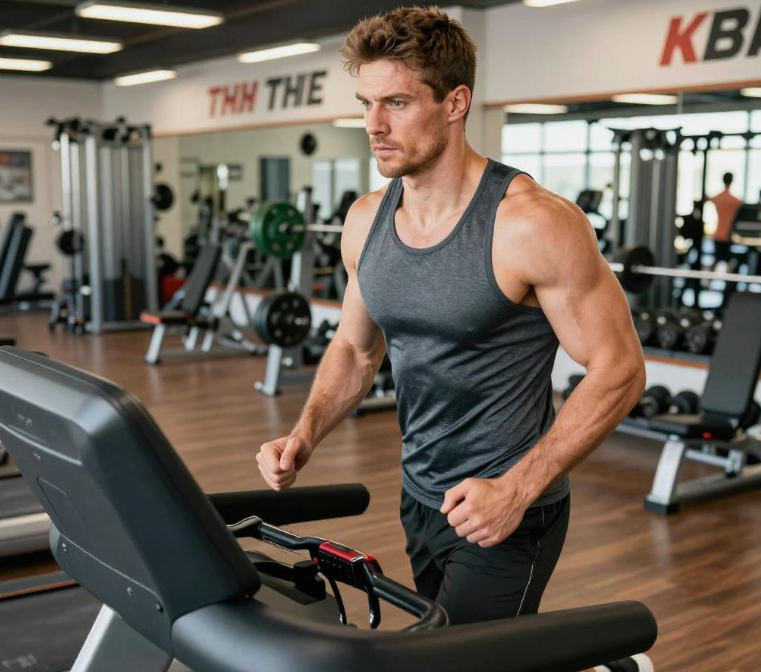
Physical training plays a vital role in maintaining postural correction. Strengthening core muscles, improving flexibility, and enhancing overall body coordination are essential components of long-term success. Exercises such as yoga, Pilates, and resistance training can support the body in holding correct positions without strain.
But beyond physical training, body awareness is equally important. Many people are unaware of how their bodies move and position themselves throughout the day. Practicing mindfulness techniques—such as body scans or proprioceptive exercises—can heighten this awareness and make it easier to catch and correct misalignments before they become ingrained.
Lifestyle Adjustments for Long-Term Success
Maintaining good posture isn't solely about exercise and awareness—it also depends on the environment and lifestyle choices. Ergonomic workspaces, appropriate footwear, and even sleep positions can all impact posture. A person who spends hours hunched over a computer without an adjustable chair may struggle to maintain their corrected posture, no matter how much they train.
Incorporating small but meaningful changes—like investing in a standing desk, choosing supportive shoes, or adjusting sleeping posture—can create a more favorable environment for sustained improvement. These adjustments act as external supports, helping the body stay aligned without constant conscious effort.
Embracing a Mind-Body Connection
Ultimately, maintaining postural correction is about fostering a deeper connection between the mind and body. When individuals understand how their thoughts, emotions, and behaviors influence their physical state, they are better equipped to make intentional choices that support their goals. This mindset shift transforms posture from a technical issue into a lifestyle practice.
For example, someone who experiences stress may unconsciously tense their shoulders, leading to poor posture. By addressing the root cause—stress management through meditation, deep breathing, or counseling—they can reduce the physical manifestations that undermine their progress.
Conclusion
Maintaining postural correction is not a one-time achievement but an ongoing process that requires attention, adaptability, and commitment. It involves a combination of physical training, lifestyle adjustments, and mental awareness. By adopting sustainable habits and creating a supportive environment, individuals can ensure that the benefits of posture correction last far beyond the initial transformation. The key is to view posture as a dynamic aspect of health—one that thrives when nurtured with care and consistency.
Disclaimer:
1. This article is sourced from the Internet. All content represents the author's personal views only and does not reflect the stance of this website. The author shall be solely responsible for the content.
2. Part of the content on this website is compiled from the Internet. This website shall not be liable for any civil disputes, administrative penalties, or other losses arising from improper reprinting or citation.
3. If there is any infringing content or inappropriate material, please contact us to remove it immediately. Contact us at:
