
Basic Movements in Flexibility Training
Flexibility training is an essential component of any well-rounded fitness regimen, offering benefits that extend beyond mere physical performance. It enhances joint mobility, reduces the risk of injury, and improves overall body awareness. At its core, flexibility training consists of a series of fundamental movements designed to stretch and lengthen muscles while maintaining proper form and control. These basic movements form the foundation for more advanced practices and are accessible to individuals at all levels of experience.

The Importance of Proper Technique
While the goal of flexibility training is to increase range of motion, the method by which this is achieved is just as critical. A common mistake among beginners is pushing too hard or holding positions for too long without proper alignment. This can lead to strain or even injury. Instead, the focus should be on gradual progression, controlled breathing, and mindful engagement of the targeted muscle groups. Think of it as a conversation between your body and your mind—each movement should be deliberate and responsive to how your body feels at the moment.
Common Basic Movements
One of the most widely practiced movements in flexibility training is the downward dog, a staple in yoga routines. This pose stretches the hamstrings, calves, and spine while also engaging the core and shoulders. Its versatility allows it to be modified for different skill levels, making it an ideal starting point for many practitioners. Another foundational movement is the hamstring stretch, often performed in a seated position with one leg extended and the other bent. This simple yet effective stretch targets the back of the thighs and can be enhanced by incorporating a gentle forward fold.
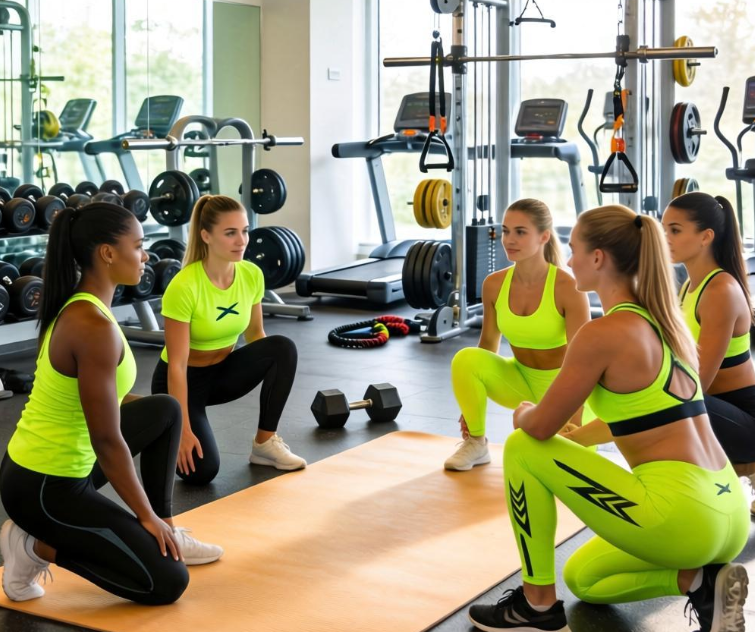
The shoulder stretch is another key exercise, particularly beneficial for those who spend long hours at a desk or in front of a computer. By reaching one arm across the chest and using the other hand to gently pull it closer, individuals can release tension in the upper back and shoulders. Similarly, the hip flexor stretch is crucial for improving posture and reducing lower back discomfort. This movement involves kneeling on one knee and leaning forward, creating a deep stretch in the hip area.
Integrating Movement into Daily Routines
Incorporating these basic movements into daily life doesn’t require a dedicated session or special equipment. A few minutes of stretching each day can yield significant long-term benefits. For instance, taking a short break during work to perform a quick hamstring or shoulder stretch can help counteract the effects of prolonged sitting. Similarly, adding a few minutes of dynamic movement before a workout can prepare the body for more intense activity and reduce the likelihood of injury.
Personal Insights and Practical Tips
From my own experience working with athletes and fitness enthusiasts, I’ve noticed that consistency is the key to success in flexibility training. Many people underestimate the importance of regular practice, assuming that a single session will provide lasting results. However, flexibility is not a static trait—it requires ongoing attention and care. One tip I often share is to listen to your body. If a particular movement causes pain or discomfort, it’s better to modify it or skip it altogether rather than push through.
Another practical approach is to combine flexibility exercises with other forms of movement, such as walking or light resistance training. This creates a more balanced and holistic fitness routine. Additionally, using props like yoga blocks or resistance bands can help maintain proper form and make certain stretches more accessible.
Conclusion
In summary, the basic movements in flexibility training serve as the building blocks for a healthier, more resilient body. Whether you’re a seasoned athlete or a beginner looking to improve your well-being, these foundational exercises offer valuable tools for enhancing mobility and preventing injury. With the right mindset and consistent practice, anyone can unlock the full potential of their physical capabilities. The journey toward greater flexibility is not about achieving perfection but about embracing progress and listening to what your body needs.
Disclaimer:
1. This article is sourced from the Internet. All content represents the author's personal views only and does not reflect the stance of this website. The author shall be solely responsible for the content.
2. Part of the content on this website is compiled from the Internet. This website shall not be liable for any civil disputes, administrative penalties, or other losses arising from improper reprinting or citation.
3. If there is any infringing content or inappropriate material, please contact us to remove it immediately. Contact us at:
