
Basic Methods of Flexibility Training
Flexibility training is a cornerstone of physical development, offering benefits that extend beyond mere range of motion. It enhances performance, reduces injury risk, and supports long-term musculoskeletal health. Whether you're an athlete, a fitness enthusiast, or someone simply looking to improve daily mobility, understanding the fundamental methods of flexibility training is essential.
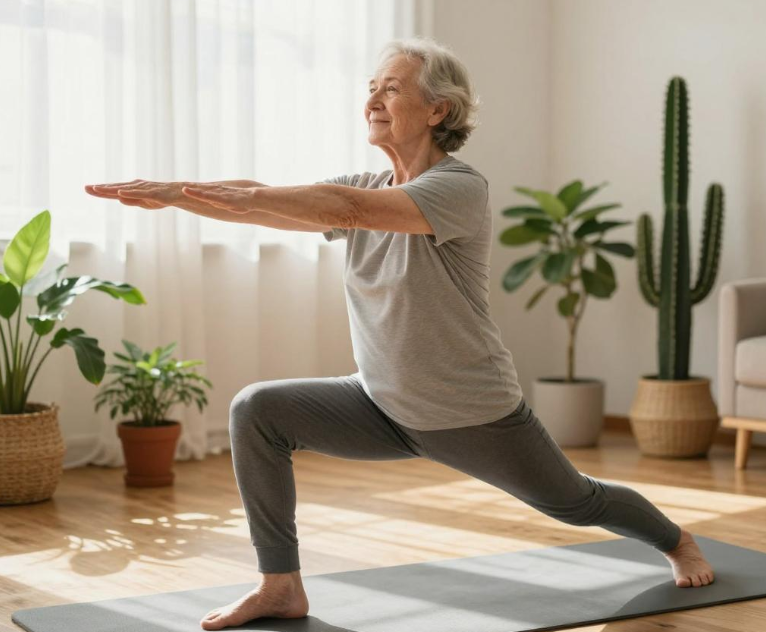
Understanding the Foundations of Flexibility
At its core, flexibility refers to the ability of joints to move through their full range of motion. This capacity is influenced by factors such as muscle length, joint structure, and connective tissue elasticity. Unlike strength or endurance, which are often associated with visible progress, flexibility improvements can be subtle but profoundly impactful. A well-rounded flexibility routine not only complements other forms of exercise but also plays a crucial role in maintaining functional independence as one ages.
Dynamic vs. Static Stretching: Choosing the Right Approach
One of the most common distinctions in flexibility training is between dynamic and static stretching. Dynamic stretching involves controlled, repetitive movements that mimic the actions of the activity you're about to perform. This method is particularly effective before workouts, as it prepares the body for movement while increasing blood flow and warming up muscles. For example, leg swings or arm circles can serve as excellent warm-up exercises for runners or weightlifters.
On the other hand, static stretching involves holding a stretch for a prolonged period—typically 15 to 30 seconds. This approach is best suited for post-workout recovery or as part of a regular flexibility routine. Holding a hamstring stretch after a run can help reduce muscle tightness and promote relaxation. While some debate exists over the optimal timing for static stretching, many experts agree that it is a valuable tool when used appropriately.

Proprioceptive Neuromuscular Facilitation (PNF): A Powerful Technique
For those seeking more advanced flexibility gains, proprioceptive neuromuscular facilitation (PNF) offers a highly effective technique. PNF combines passive stretching with isometric contractions, leveraging the body's natural reflexes to achieve greater range of motion. One popular method is the "contract-relax" technique, where the muscle is first contracted against resistance and then relaxed into a deeper stretch. This method is often used in rehabilitation settings and by athletes aiming to maximize their mobility.
The effectiveness of PNF lies in its ability to override the body’s protective mechanisms, allowing for a more profound stretch. However, it requires careful execution and may benefit from guidance, especially for beginners.
Foam Rolling and Myofascial Release: Tackling Tension
Another critical component of flexibility training is myofascial release, often achieved through foam rolling. This practice targets the fascia—the connective tissue surrounding muscles—to alleviate knots, improve circulation, and enhance overall mobility. By applying pressure to specific areas, foam rolling can help break down adhesions and restore normal muscle function.
Many athletes and fitness professionals incorporate foam rolling into their routines, using it both before and after workouts. The sensation of rolling over a tight muscle can be uncomfortable at first, but the long-term benefits—such as reduced soreness and improved flexibility—are well worth the effort.
Yoga and Pilates: Holistic Approaches to Flexibility
While not always considered traditional stretching methods, yoga and Pilates offer comprehensive approaches to flexibility. These practices integrate stretching with breath control, mental focus, and core engagement, creating a balanced and sustainable way to improve mobility. Yoga, in particular, emphasizes a wide range of poses that target different muscle groups, promoting both flexibility and body awareness.
Pilates, on the other hand, focuses on controlled movements that strengthen the deep stabilizing muscles while improving posture and alignment. Both disciplines provide a holistic framework for enhancing flexibility, making them ideal for individuals looking for a more integrated approach to their fitness journey.
Consistency and Patience: The Keys to Long-Term Success
Ultimately, the success of any flexibility training program depends on consistency and patience. Unlike strength training, which often yields quick results, flexibility improvements can be gradual and require sustained effort. Regular practice, combined with a mindful approach to movement, ensures that progress is both measurable and meaningful.
Incorporating these basic methods into your routine doesn't have to be overwhelming. Start with simple stretches, gradually introduce more advanced techniques, and listen to your body. Over time, you'll notice not only enhanced mobility but also a greater sense of physical well-being.
Disclaimer:
1. This article is sourced from the Internet. All content represents the author's personal views only and does not reflect the stance of this website. The author shall be solely responsible for the content.
2. Part of the content on this website is compiled from the Internet. This website shall not be liable for any civil disputes, administrative penalties, or other losses arising from improper reprinting or citation.
3. If there is any infringing content or inappropriate material, please contact us to remove it immediately. Contact us at:
