
The Basic Methods of Flexibility Training
Flexibility training is a crucial component of any well-rounded fitness regimen, offering benefits that extend beyond physical performance to include injury prevention and overall musculoskeletal health. Whether you're an athlete aiming for peak performance or someone looking to improve daily mobility, understanding the fundamental techniques of flexibility training can make a significant difference in your routine.
Understanding the Importance of Flexibility
At its core, flexibility refers to the range of motion available at a joint. This is influenced by factors such as muscle length, joint structure, and connective tissue elasticity. Regular flexibility training helps maintain this range, allowing for more efficient movement patterns and reducing the risk of strains or tears. It also plays a key role in enhancing posture and alleviating chronic tension in areas like the lower back or shoulders.

Dynamic vs. Static Stretching: Choosing the Right Approach
One of the most common distinctions in flexibility training is between dynamic and static stretching. Dynamic stretching involves controlled movements that mimic the actions of the activity you're about to perform. For example, a runner might do leg swings or walking lunges before a workout. These movements help warm up the muscles, increase blood flow, and prepare the body for more intense activity.
In contrast, static stretching involves holding a position for an extended period—typically 15 to 30 seconds—to elongate the muscles. This method is often used after a workout or during a cool-down phase. While static stretching has been shown to improve long-term flexibility, it should be approached with care if done before exercise, as it may temporarily reduce muscle strength and power.
Proprioceptive Neuromuscular Facilitation (PNF)
A more advanced technique, PNF stretching, combines both active and passive movements to enhance flexibility. One popular method is the contract-relax technique, where the individual contracts the muscle being stretched for a few seconds before relaxing into a deeper stretch. This method leverages the body's natural reflexes to achieve greater range of motion. PNF is particularly effective for athletes and individuals seeking rapid improvements in flexibility.
Yoga and Pilates: Holistic Approaches to Flexibility
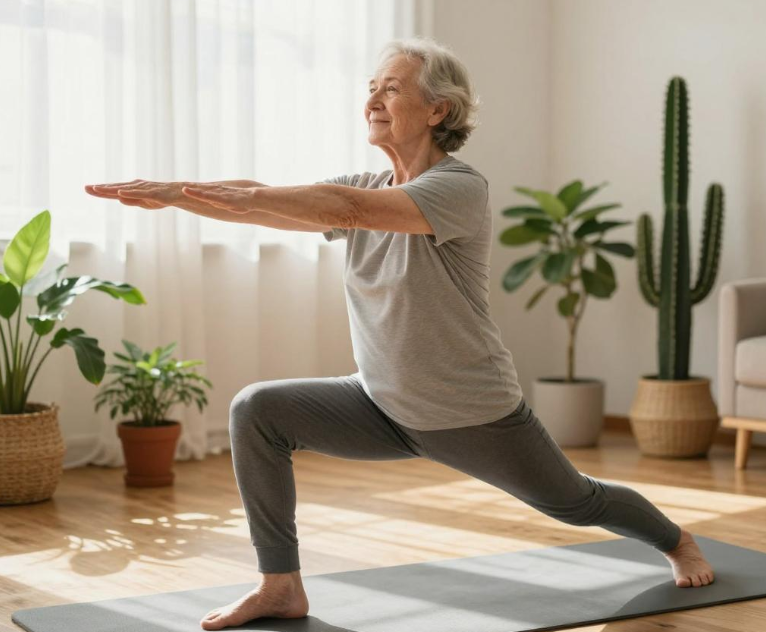
Yoga and Pilates are widely recognized for their ability to improve flexibility while also promoting strength, balance, and mental focus. Yoga, with its emphasis on controlled postures and breathwork, encourages a deep mind-body connection that supports sustained flexibility. Pilates, on the other hand, focuses on core stability and precise movements, which can lead to better posture and increased joint mobility over time.
Both practices offer a variety of styles and intensities, making them adaptable to different fitness levels and goals. For instance, a beginner might start with gentle Hatha yoga, while an advanced practitioner could explore more challenging forms like Ashtanga or Vinyasa.
Foam Rolling and Myofascial Release
Another valuable tool in the flexibility arsenal is foam rolling. This self-myofascial release technique helps break up knots and adhesions in the muscles and fascia, improving circulation and reducing stiffness. By applying pressure to specific areas, foam rolling can enhance muscle recovery and support greater flexibility. It’s especially useful for those who spend long hours sitting or engaging in repetitive motions.
Consistency and Progression: Keys to Long-Term Success
Flexibility is not something that can be achieved overnight. Like any form of physical training, it requires consistency and gradual progression. Incorporating a mix of stretching techniques into your routine and gradually increasing the intensity or duration of each session can lead to lasting improvements. It's also important to listen to your body and avoid pushing through pain, as this can lead to injury.
Conclusion
Flexibility training encompasses a variety of methods, from basic stretching routines to more advanced techniques like PNF and yoga. Each approach offers unique benefits, and the best results come from a balanced, consistent practice tailored to individual needs. Whether you're preparing for a sport, managing daily discomfort, or simply looking to move more freely, understanding and applying these foundational methods can significantly enhance your physical well-being.
Disclaimer:
1. This article is sourced from the Internet. All content represents the author's personal views only and does not reflect the stance of this website. The author shall be solely responsible for the content.
2. Part of the content on this website is compiled from the Internet. This website shall not be liable for any civil disputes, administrative penalties, or other losses arising from improper reprinting or citation.
3. If there is any infringing content or inappropriate material, please contact us to remove it immediately. Contact us at:
