
What Are Effective Teaching Methods for Beginners Starting a Fitness Journey?
The most effective teaching methods for beginners starting a fitness journey are those that combine structured guidance with personalized support, creating an environment where learners feel motivated, informed, and empowered. Whether through in-person classes or digital platforms, the right approach can significantly influence long-term engagement and success.
Building a Strong Foundation Through Practical Instruction
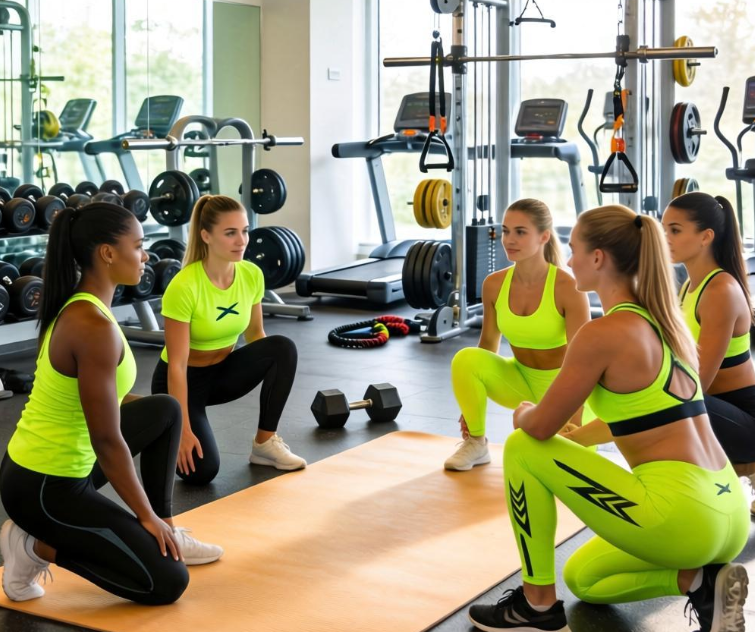
A successful beginner’s fitness course begins by establishing clear, achievable goals. Instructors should start with fundamental movements such as squats, lunges, and planks, ensuring that each exercise is demonstrated with proper form and explained in simple, accessible language. This not only prevents injury but also builds confidence. For instance, a trainer might use a mirror to show real-time adjustments, allowing students to visualize and correct their posture immediately. Such hands-on demonstrations make abstract concepts tangible and easier to grasp.
Incorporating Interactive and Engaging Learning Techniques
Engagement is key when teaching newcomers. Instead of relying solely on lectures, instructors can integrate interactive elements like group challenges, progress tracking, or even gamified learning. For example, a class might set a weekly goal of completing a certain number of push-ups, with rewards for those who meet their targets. These strategies turn learning into a dynamic experience, making it less about rote memorization and more about active participation.

Personalized Support and Adaptive Feedback
No two beginners are the same. Some may have physical limitations, while others may struggle with motivation or time management. A skilled instructor will recognize these differences and offer tailored advice. One-on-one check-ins, customized workout plans, or even virtual follow-ups can help maintain momentum. A personal trainer might suggest a modified routine for someone recovering from an injury, while a coach might provide extra encouragement to a student who feels overwhelmed.
Creating a Supportive Community Environment
Fitness is often more sustainable when it's shared. Courses that foster a sense of community—whether through group sessions, online forums, or social media groups—can enhance the learning experience. When beginners see others working toward similar goals, they are more likely to stay committed. A local gym might organize a "newbie" meet-up once a week, allowing participants to share experiences, ask questions, and build connections that extend beyond the workout itself.
Leveraging Technology for Enhanced Learning
Modern tools can greatly enhance the learning process. Mobile apps, video tutorials, and wearable fitness trackers provide real-time feedback and help learners monitor their progress. For example, a beginner using a smartwatch can track heart rate during a session, ensuring they stay within a safe and effective range. Digital platforms also allow for flexible learning, enabling students to revisit lessons at their own pace.
Emphasizing Mental and Physical Well-Being
Beyond physical training, a well-rounded course should address the mental aspects of fitness. Stress management, sleep quality, and nutrition are all interconnected with physical performance. Instructors who incorporate mindfulness exercises or brief discussions on healthy habits can help students develop a holistic approach to wellness. A session might begin with a short breathing exercise to center the mind before moving into physical activity, reinforcing the mind-body connection.
Conclusion
For beginners embarking on a fitness journey, the best teaching methods are those that blend practical instruction with personal attention, engagement, and a supportive atmosphere. By focusing on clarity, adaptability, and community, educators can create an environment where new learners not only acquire skills but also develop a lasting relationship with health and movement. The path to fitness is not just about reaching a destination—it's about building a foundation that supports lifelong well-being.
Disclaimer:
1. This article is sourced from the Internet. All content represents the author's personal views only and does not reflect the stance of this website. The author shall be solely responsible for the content.
2. Part of the content on this website is compiled from the Internet. This website shall not be liable for any civil disputes, administrative penalties, or other losses arising from improper reprinting or citation.
3. If there is any infringing content or inappropriate material, please contact us to remove it immediately. Contact us at:
