
What Are the Contents and Methods of a Beginner's Fitness Course?
A well-structured beginner's fitness course serves as a crucial foundation for anyone stepping into the world of physical training. It not only introduces fundamental concepts but also fosters long-term habits that contribute to overall health and wellness. Whether you're looking to lose weight, build strength, or simply feel more energetic, understanding what these courses typically offer can make all the difference in your journey.
Understanding the Core Components of a Beginner’s Fitness Program
At its heart, a beginner's fitness course is designed to be both informative and practical. The curriculum usually begins with an introduction to basic anatomy and physiology, helping newcomers grasp how their bodies function during exercise. This knowledge forms the basis for making informed decisions about workout routines and nutrition. For instance, understanding muscle groups and how they respond to different types of movement can prevent injuries and improve performance.
Beyond theory, the course often includes hands-on sessions where participants learn proper form and technique. This is especially important when it comes to weightlifting or bodyweight exercises, as incorrect form can lead to strain or injury. Instructors typically guide students through each movement, offering real-time feedback to ensure safety and effectiveness. Imagine a novice trying to perform a squat without guidance—without proper form, the risk of knee or back injury increases significantly.

The Role of Structured Workouts and Progressive Overload
One of the most valuable aspects of a beginner's course is the emphasis on structured workouts. Rather than jumping into high-intensity routines immediately, new learners are introduced to a balanced approach that gradually builds endurance, strength, and flexibility. A typical week might include a mix of cardio, strength training, and rest days, allowing the body to recover and adapt.
Progressive overload is a key principle taught early on. This means gradually increasing the intensity or difficulty of workouts over time. It’s like learning to ride a bike—starting with training wheels, then removing them as confidence and skill grow. Without this gradual progression, progress can stall, and motivation may wane.
Nutrition and Lifestyle Integration
While physical activity is central, a comprehensive beginner's fitness program also addresses the importance of nutrition and lifestyle choices. Many courses include modules on healthy eating, hydration, and sleep, recognizing that these factors play a critical role in achieving fitness goals. For example, someone aiming to lose weight needs to understand not just how to exercise, but also how to fuel their body properly.
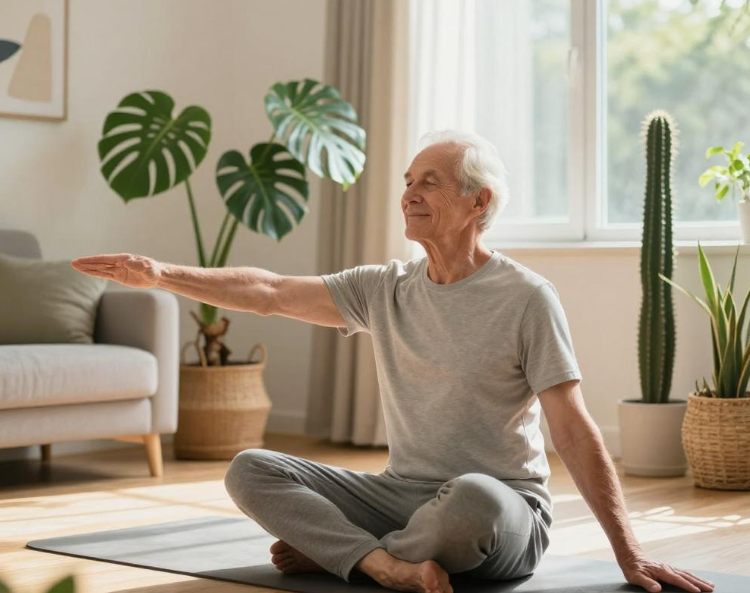
Some programs even incorporate mindfulness practices, such as breathing techniques or stress management, which can enhance overall well-being. These elements are often overlooked but are essential for maintaining consistency and avoiding burnout.
Practical Tips for Getting Started
For those new to fitness, starting with a structured course can provide clarity and direction. It’s easy to feel overwhelmed by the vast amount of information available online, but a guided program offers a clear path forward. Additionally, joining a group class or working with a personal trainer can add a social element that keeps motivation high.
Another benefit is accountability. When you commit to a schedule and have a set of goals, it becomes easier to stay on track. Even small changes, like taking a daily walk or drinking more water, can lead to significant improvements over time.
Conclusion
In summary, a beginner's fitness course is more than just a series of workouts—it’s a holistic approach to building a healthier, stronger version of yourself. By combining education, practice, and lifestyle adjustments, these programs equip individuals with the tools they need to succeed. Whether you’re just starting out or looking to refine your routine, investing in a quality fitness course can set you on the right path toward lasting results.
Disclaimer:
1. This article is sourced from the Internet. All content represents the author's personal views only and does not reflect the stance of this website. The author shall be solely responsible for the content.
2. Part of the content on this website is compiled from the Internet. This website shall not be liable for any civil disputes, administrative penalties, or other losses arising from improper reprinting or citation.
3. If there is any infringing content or inappropriate material, please contact us to remove it immediately. Contact us at:
