
Static Flexibility Training Methods
Static flexibility training methods have long been recognized as a cornerstone of physical preparation, offering a structured and effective way to enhance range of motion, reduce injury risk, and improve overall musculoskeletal function. Whether you are an athlete, a fitness enthusiast, or someone seeking to maintain mobility as you age, understanding and implementing these techniques can yield significant benefits.

Understanding the Concept
At its core, static flexibility training involves holding a stretch in a fixed position for an extended period, typically ranging from 15 to 60 seconds. Unlike dynamic stretching, which involves movement, static stretching focuses on maintaining a steady, controlled posture to gradually lengthen muscles and connective tissues. This method is particularly effective for increasing joint range of motion and promoting relaxation in the body’s soft tissues.
The physiological basis for this approach lies in the body's response to sustained tension. When a muscle is stretched and held, it begins to adapt by allowing more elongation over time. This adaptation is supported by the nervous system, which becomes less reactive to the stretch, thereby reducing resistance and enhancing flexibility.
Practical Applications
In practice, static flexibility training can be applied across a wide range of settings. For example, in a yoga session, practitioners often hold poses such as the downward dog or hamstring stretch for several breaths, allowing their bodies to deepen into the pose. Similarly, in a gym environment, individuals might use resistance bands or foam rollers to support and maintain specific stretches.
One notable application is in post-workout routines, where static stretching helps to cool down the body and prevent muscle stiffness. It is also commonly used in rehabilitation programs, where controlled, prolonged stretching aids in restoring function after an injury.
Key Techniques and Tips
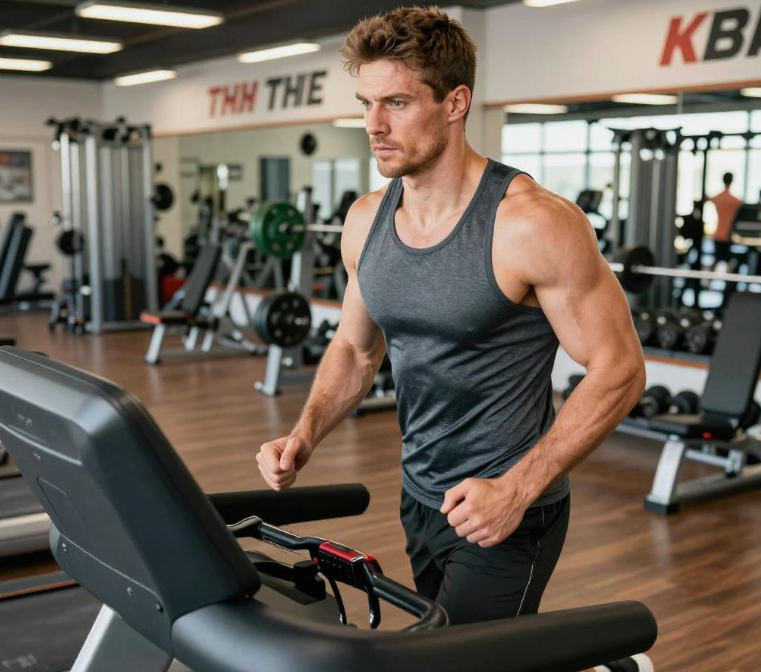
To maximize the effectiveness of static flexibility training, certain techniques and practices should be considered. First, it is essential to warm up the muscles before attempting any stretch. Cold muscles are more prone to strain, so a brief cardiovascular activity or light movement can prepare the body for deeper stretching.
Second, focus on proper form and alignment. Holding a stretch incorrectly can lead to compensatory movements that may not only reduce the effectiveness of the stretch but also increase the risk of injury. It is helpful to use mirrors or seek guidance from a qualified instructor to ensure correct positioning.
Third, breathing plays a crucial role in static stretching. Deep, rhythmic breathing helps to relax the body and enhance the stretch. Many practitioners find that exhaling while holding a stretch allows them to go deeper into the position without straining.
Finally, consistency is key. Static flexibility is not something that can be mastered overnight. Regular, dedicated practice—ideally 3–5 times per week—is necessary to see meaningful improvements in flexibility and mobility.
Benefits Beyond the Physical
While the primary goal of static flexibility training is to improve physical mobility, the benefits extend beyond the body. Many individuals report feeling more relaxed and mentally centered after incorporating static stretching into their routine. The meditative aspect of holding a stretch can promote mindfulness and reduce stress, making it a valuable tool for both physical and mental well-being.
Additionally, improved flexibility can lead to better posture, reduced muscle imbalances, and enhanced athletic performance. For those engaged in sports or physically demanding jobs, this can translate into greater efficiency and lower risk of overuse injuries.
A Personal Perspective
From years of working with clients and athletes, I’ve observed how static flexibility training can transform not only movement patterns but also overall quality of life. One client, a runner who struggled with tight hamstrings and recurring lower back pain, saw remarkable improvement after integrating daily static stretches into her routine. Over time, she not only increased her stride length but also reported feeling more grounded and stable during runs.
This experience highlights the power of static flexibility—not just as a technical skill, but as a holistic practice that supports both body and mind.
Conclusion
Static flexibility training methods offer a proven, accessible, and versatile approach to improving physical function and well-being. By understanding the principles behind this technique and applying it consistently, individuals can unlock greater mobility, reduce injury risk, and enhance their overall quality of life. Whether you are new to stretching or looking to refine your current routine, static flexibility training is a valuable addition to any wellness regimen.
Disclaimer:
1. This article is sourced from the Internet. All content represents the author's personal views only and does not reflect the stance of this website. The author shall be solely responsible for the content.
2. Part of the content on this website is compiled from the Internet. This website shall not be liable for any civil disputes, administrative penalties, or other losses arising from improper reprinting or citation.
3. If there is any infringing content or inappropriate material, please contact us to remove it immediately. Contact us at:
