
Gym Equipment Names and Usage Methods
A well-rounded fitness routine often begins with understanding the tools at your disposal. Whether you're a seasoned athlete or a beginner stepping into the gym for the first time, knowing the names and proper usage of common gym equipment is essential for maximizing results and minimizing injury risk. This article provides an overview of key gym machines and free weights, along with guidance on how to use them effectively.
Understanding Common Gym Equipment
The gym environment is filled with a variety of devices designed to target different muscle groups and improve overall physical health. Among the most frequently encountered pieces of equipment are treadmills, ellipticals, stationary bikes, and resistance machines. Each serves a unique purpose, and familiarity with their functions can significantly enhance your workout experience.
Treadmills, for instance, are ideal for cardiovascular exercise and can be adjusted to simulate various terrains and inclines. Elliptical trainers offer a low-impact alternative to running, making them popular among individuals recovering from injuries or those new to exercise. Stationary bikes, both upright and recumbent, provide a comfortable way to build leg strength and endurance without putting stress on the joints.
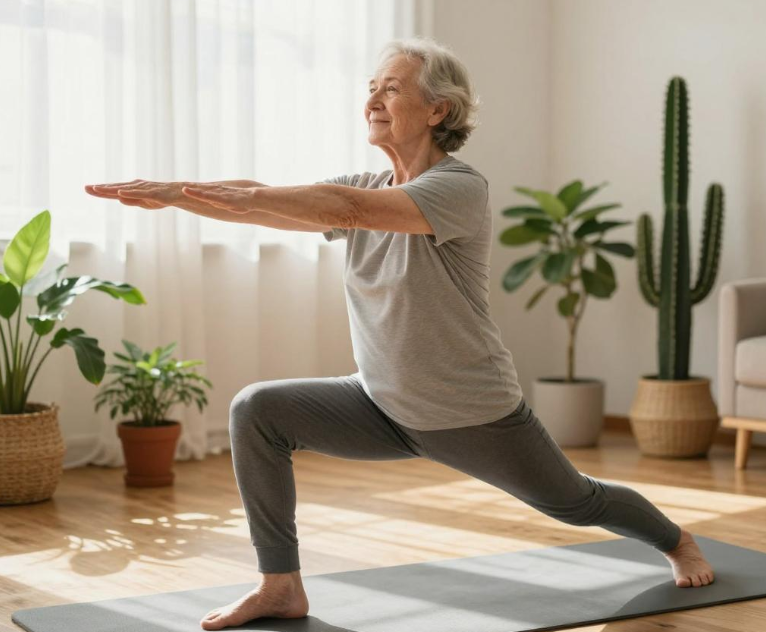
Free Weights: The Foundation of Strength Training
While machines are great for targeting specific muscles, free weights such as dumbbells, barbells, and kettlebells offer greater flexibility and engagement of stabilizer muscles. Dumbbells come in a range of weights and are versatile enough to perform exercises like bicep curls, shoulder presses, and lunges. Barbells, on the other hand, are typically used for compound movements such as squats, deadlifts, and bench presses, which work multiple muscle groups simultaneously.
Kettlebells, though less common in some gyms, have gained popularity for their ability to combine strength and cardio in dynamic movements like swings and snatches. Their unique shape allows for a broader range of motion, making them particularly effective for functional training.
How to Use Resistance Machines Properly
Resistance machines are engineered to guide users through controlled movements, reducing the risk of improper form. For example, the leg press machine isolates the quadriceps and glutes while keeping the spine in a neutral position. To use it correctly, sit with your back against the pad, feet shoulder-width apart on the platform, and push the platform away from your body while maintaining a straight line from head to heels.
Similarly, the lat pulldown machine targets the back muscles, specifically the latissimus dorsi. Adjust the seat so that the handles align with your forehead, grip the bar with a wide overhand grip, and pull it down toward your chest while keeping your torso stable. Avoid using momentum or jerking motions, as this can lead to strain or injury.

Tips for Safe and Effective Workouts
Regardless of the equipment you choose, safety should always be a priority. Start with lighter weights or lower resistance to master the movement before increasing intensity. Pay attention to your form—poor posture can not only reduce the effectiveness of an exercise but also increase the likelihood of injury. If unsure about how to use a particular machine, don't hesitate to ask a gym instructor or watch a demonstration video.
Another important consideration is warming up before each session. A few minutes of light cardio, such as walking on the treadmill or cycling at a slow pace, helps prepare your muscles and joints for more intense activity. Similarly, cooling down with stretching can aid recovery and prevent soreness.
Conclusion
Navigating a gym can feel overwhelming, especially for newcomers. However, by familiarizing yourself with the names and functions of common equipment, you can create a more structured and productive workout routine. Whether you prefer the stability of machines or the versatility of free weights, understanding how to use each tool properly ensures that your efforts translate into meaningful progress. With the right knowledge and mindset, every visit to the gym becomes an opportunity to grow stronger, healthier, and more confident.
Disclaimer:
1. This article is sourced from the Internet. All content represents the author's personal views only and does not reflect the stance of this website. The author shall be solely responsible for the content.
2. Part of the content on this website is compiled from the Internet. This website shall not be liable for any civil disputes, administrative penalties, or other losses arising from improper reprinting or citation.
3. If there is any infringing content or inappropriate material, please contact us to remove it immediately. Contact us at:
