
Prevention and First Aid for Sports Injuries: Reflections and Insights
The importance of preventing sports injuries and being prepared to respond effectively cannot be overstated. Whether on the field, in the gym, or during recreational activities, understanding how to protect oneself and others is essential. This article reflects on key strategies for injury prevention and practical approaches to first aid, drawing from both professional experience and real-world scenarios.
Understanding the Risks and Building Awareness
Sports injuries are not just accidents—they often result from a combination of factors such as improper technique, lack of preparation, or environmental conditions. A common scenario involves an athlete who skips a warm-up and then suffers a muscle strain during a high-intensity drill. This highlights the critical role of awareness and education. By recognizing potential hazards and taking proactive steps, individuals can significantly reduce their risk of harm.
In many cases, the difference between a minor inconvenience and a serious setback lies in the level of preparation. Coaches, trainers, and participants alike must prioritize safety as a core component of any training regimen. It’s not just about pushing limits—it’s about knowing when and how to do so responsibly.

Practical Strategies for Injury Prevention
Prevention starts with a multifaceted approach that includes proper conditioning, equipment use, and technique refinement. For instance, a runner who regularly incorporates strength training and flexibility exercises may find themselves less prone to common issues like shin splints or knee pain. Similarly, a basketball player who focuses on balance and core stability might avoid ankle sprains that could sideline them for weeks.
Another crucial element is the use of protective gear. Helmets, pads, and supportive footwear are not just accessories—they are essential tools that can make a significant difference in outcome. However, even the best equipment is only effective if used correctly and maintained regularly. A well-fitted mouthguard, for example, can prevent dental injuries, but it must be worn consistently during contact sports.
First Aid: The Critical Moment
When an injury does occur, the response can determine the long-term impact. Immediate action, such as applying ice to a sprain or stabilizing a suspected fracture, can prevent further damage and speed up recovery. But first aid is more than just quick fixes—it's about assessing the situation accurately and making informed decisions.
Consider a soccer match where a player falls and appears to have a dislocated shoulder. While waiting for professional help, the right approach might involve immobilizing the arm and keeping the player calm. In contrast, someone suffering from a head injury might require immediate attention to check for signs of concussion, which can be subtle but serious.
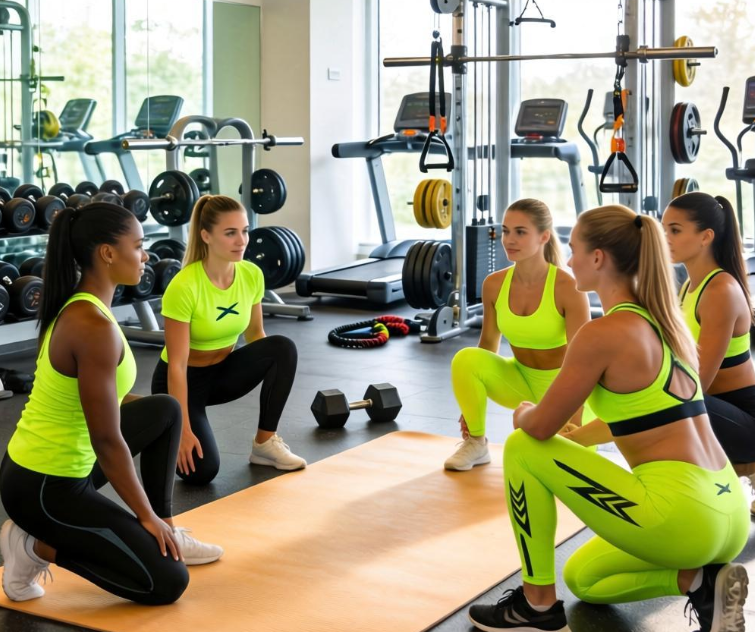
Learning from Experience: Real-World Lessons
Personal experience often reveals the most valuable lessons. A coach once shared a story about a young gymnast who ignored a persistent wrist ache, only to later discover a stress fracture. This underscores the importance of listening to one’s body and seeking medical advice when symptoms persist. Another case involved a group of hikers who were unprepared for sudden weather changes—this led to hypothermia and required emergency assistance. These examples serve as reminders that preparedness extends beyond physical training.
In professional settings, regular drills and simulations can help teams and individuals react more confidently in emergencies. It’s not enough to know what to do; practice makes the response instinctive and effective.
Conclusion: A Holistic Approach to Safety
Injury prevention and first aid are not isolated practices—they are part of a broader commitment to health and well-being. Whether through education, training, or personal responsibility, every effort contributes to a safer environment for athletes and enthusiasts alike. The goal is not just to avoid harm, but to build resilience, foster confidence, and ensure that the joy of movement remains accessible to all. By integrating these principles into daily routines, we create a culture where safety is second nature.
Disclaimer:
1. This article is sourced from the Internet. All content represents the author's personal views only and does not reflect the stance of this website. The author shall be solely responsible for the content.
2. Part of the content on this website is compiled from the Internet. This website shall not be liable for any civil disputes, administrative penalties, or other losses arising from improper reprinting or citation.
3. If there is any infringing content or inappropriate material, please contact us to remove it immediately. Contact us at:
