
What Are the Common Home Workout Programs?
In recent years, the trend of home-based fitness has gained significant momentum, driven by the increasing demand for convenience, flexibility, and cost-effectiveness. Whether due to time constraints, financial considerations, or a preference for privacy, more individuals are turning to their living spaces as a viable alternative to traditional gyms. This shift has led to the development of a wide array of home workout programs tailored to different fitness goals, skill levels, and equipment availability.
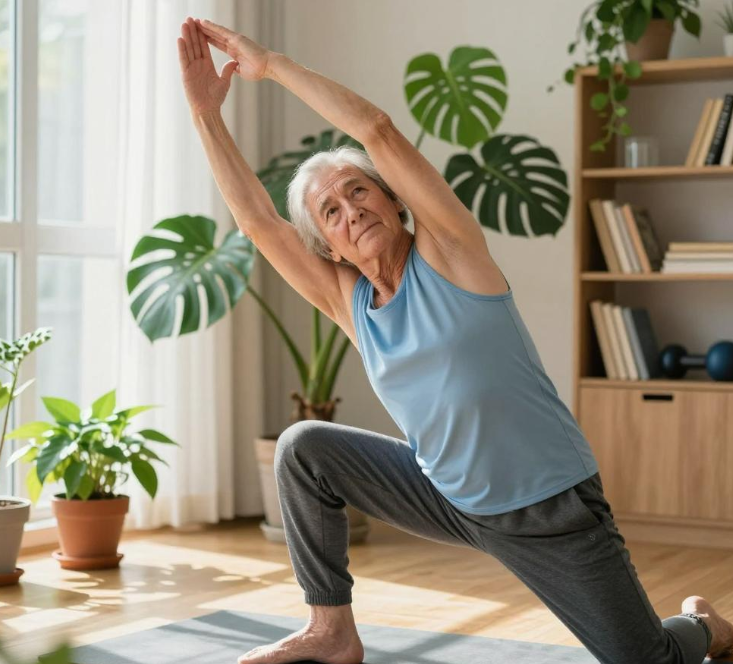
The Evolution of Home Fitness
Home fitness is no longer limited to simple bodyweight exercises or outdated video routines. Modern home workouts leverage technology, such as smart mirrors, mobile apps, and online platforms, to deliver structured and engaging training experiences. These tools provide real-time feedback, personalized plans, and even virtual coaching, making it easier than ever to maintain consistency and progress. For instance, apps like Peloton or Nike Training Club offer live-streamed classes that simulate the energy of a gym environment from the comfort of one’s own home.
Popular Types of Home Workouts
Bodyweight training remains one of the most accessible forms of home exercise. It requires no equipment and can be done anywhere, making it ideal for beginners or those with limited space. Exercises like push-ups, squats, lunges, and planks not only build strength but also improve core stability and endurance. Many people find that bodyweight routines can be just as effective as gym-based workouts when performed with intensity and proper form.
For those who have access to basic equipment, resistance bands, dumbbells, and kettlebells can significantly enhance the effectiveness of home workouts. Resistance band exercises, for example, are excellent for targeting specific muscle groups and improving flexibility. Dumbbell routines allow for a greater range of motion and can be adapted to various fitness levels. Kettlebell swings, on the other hand, offer a dynamic full-body workout that boosts cardiovascular health and power.
Yoga and Pilates have also become popular choices for home-based fitness. These practices emphasize mindfulness, posture, and controlled movements, offering benefits beyond physical fitness. Yoga, in particular, is known for its ability to reduce stress, improve balance, and increase flexibility. Pilates focuses on core strength and overall body alignment, making it a valuable addition to any fitness routine.

Customizing Your Home Workout Plan
The key to a successful home workout regimen lies in personalization. What works for one person may not suit another, depending on factors such as fitness level, goals, and available resources. A beginner might start with short, high-intensity interval training (HIIT) sessions, while someone looking to build muscle could focus on progressive overload with weighted exercises. It's also important to vary the types of workouts to prevent plateaus and keep the routine engaging.
Moreover, integrating functional training into home workouts can help improve daily life activities. Functional exercises mimic real-world movements, such as lifting, bending, and twisting, which can enhance overall mobility and reduce the risk of injury. Activities like burpees, battle ropes, or even household chores like cleaning or carrying groceries can serve as functional training when approached with intention and purpose.
Overcoming Common Challenges
One of the biggest hurdles in maintaining a home workout routine is staying motivated. Without the structure of a gym or the presence of others, it's easy to lose focus or skip sessions. To combat this, setting clear goals, tracking progress, and finding a workout buddy—either in person or virtually—can help sustain commitment. Additionally, creating a dedicated workout space can signal to the brain that it's time to focus and perform.
Another challenge is ensuring proper form and technique, especially when working out alone. Incorrect form can lead to injuries and diminish the effectiveness of the workout. Fortunately, many online platforms offer video tutorials and expert guidance to help users perform exercises safely. Some apps even use AI to analyze form and provide instant feedback, bridging the gap between self-guided and professional training.
Conclusion
Home fitness offers a flexible and practical solution for people seeking to stay active without the constraints of a traditional gym. From bodyweight routines to equipment-based training, yoga, and functional exercises, there are numerous options to suit different needs and preferences. With the right mindset, tools, and strategy, anyone can create an effective and enjoyable home workout program. As the fitness landscape continues to evolve, the future of home-based training looks promising, empowering individuals to take control of their health and well-being on their own terms.
Disclaimer:
1. This article is sourced from the Internet. All content represents the author's personal views only and does not reflect the stance of this website. The author shall be solely responsible for the content.
2. Part of the content on this website is compiled from the Internet. This website shall not be liable for any civil disputes, administrative penalties, or other losses arising from improper reprinting or citation.
3. If there is any infringing content or inappropriate material, please contact us to remove it immediately. Contact us at:
