
Posture Correction Massage
Posture correction massage is a specialized therapeutic approach designed to address musculoskeletal imbalances caused by poor posture, repetitive strain, or prolonged sedentary behavior. It combines traditional massage techniques with modern biomechanical understanding to restore alignment, alleviate discomfort, and enhance overall physical function. This practice has gained increasing recognition in both clinical and wellness settings as an effective intervention for individuals experiencing chronic pain, fatigue, or restricted mobility.
Understanding the Role of Posture in Physical Health
The human body is inherently designed for movement, yet modern lifestyles often demand long hours of sitting, hunched over devices, or maintaining static positions. Over time, these habits can lead to postural distortions—such as forward head tilt, rounded shoulders, or excessive lumbar curvature—that place undue stress on muscles, joints, and the spine. These misalignments not only cause discomfort but also contribute to a range of secondary issues, including headaches, back pain, and reduced flexibility.
Posture correction massage targets these imbalances by identifying and addressing the root causes of muscular tension and joint dysfunction. Practitioners use a combination of soft tissue manipulation, myofascial release, and targeted stretching to realign the body’s natural structure. This process is not just about temporary relief; it aims to retrain the body’s neuromuscular patterns, promoting long-term stability and comfort.

Techniques and Approaches in Posture Correction Massage
One of the defining features of posture correction massage is its personalized approach. Each session begins with a thorough assessment of the client’s posture, movement patterns, and any existing pain points. This evaluation helps the practitioner identify which muscle groups are overactive, underactive, or misaligned. For example, a person who spends hours at a desk may have tight chest muscles and weak upper back muscles, contributing to a rounded shoulder posture.
Based on this analysis, the therapist may employ various techniques, such as deep tissue massage to release tension in overworked muscles, trigger point therapy to address localized knots, or myofascial rolling to improve tissue elasticity. Additionally, corrective stretches and postural retraining exercises are often incorporated to reinforce the benefits of the session. These elements work together to not only relieve immediate symptoms but also encourage the body to maintain better alignment over time.
Real-World Applications and Benefits
Consider the case of an office worker who experiences persistent lower back pain. Traditional treatments might focus on pain management, but posture correction massage takes a more holistic approach. By addressing the underlying postural issues—such as a tilted pelvis or weak core muscles—the therapist can help reduce the strain on the lower back and promote more efficient movement patterns. In many cases, clients report significant improvements in their daily comfort and activity levels after consistent sessions.
Another example involves athletes or active individuals who suffer from recurring injuries. Poor posture can increase the risk of strain or overuse injuries by altering how forces are distributed across the body. Through posture correction massage, these individuals can regain balance, improve performance, and reduce the likelihood of future injuries. The benefits extend beyond physical health, often leading to greater mental clarity and emotional well-being as the body functions more efficiently.
Integrating Posture Correction into Daily Life
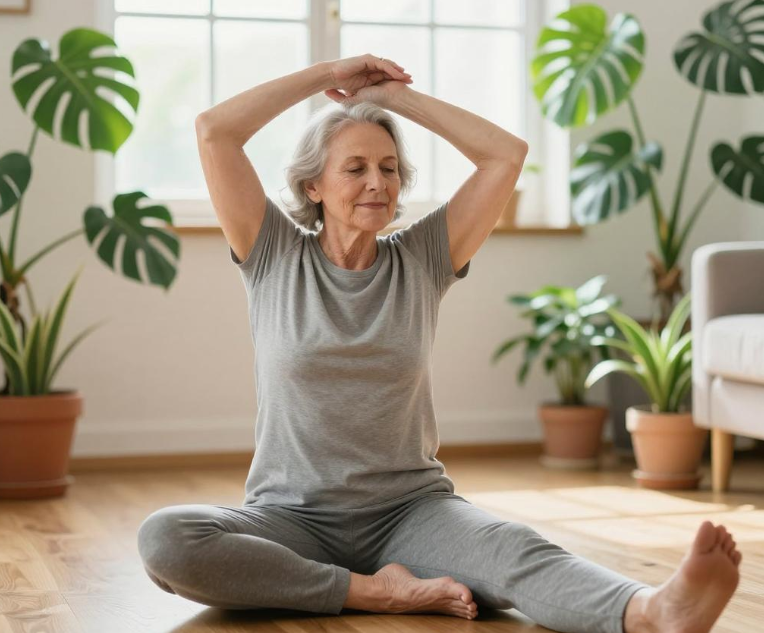
While professional sessions provide immediate relief and guidance, long-term success depends on integrating posture awareness into everyday habits. Simple adjustments, such as ergonomic workspace setups, regular movement breaks, and mindful sitting or standing, can make a substantial difference. Clients are often encouraged to practice basic stretches or engage in strengthening exercises that support proper alignment.
Moreover, the role of self-care cannot be overstated. Many practitioners recommend incorporating tools like foam rollers, resistance bands, or posture braces to reinforce the changes made during massage sessions. These practices empower individuals to take control of their own physical health and prevent future complications.
Conclusion
In summary, posture correction massage is more than a treatment—it is a transformative practice that addresses the complex relationship between body mechanics, movement, and overall well-being. By targeting the root causes of postural imbalances, it offers a sustainable solution for those seeking relief from chronic discomfort and improved physical function. Whether used as a standalone therapy or integrated into a broader wellness plan, this approach underscores the importance of aligning the body with its natural design. As awareness of its benefits continues to grow, posture correction massage is increasingly recognized as a valuable tool in the pursuit of long-term health and vitality.
Disclaimer:
1. This article is sourced from the Internet. All content represents the author's personal views only and does not reflect the stance of this website. The author shall be solely responsible for the content.
2. Part of the content on this website is compiled from the Internet. This website shall not be liable for any civil disputes, administrative penalties, or other losses arising from improper reprinting or citation.
3. If there is any infringing content or inappropriate material, please contact us to remove it immediately. Contact us at:
