
The Ultimate Guide to Beginner-Friendly Fitness Programs
For individuals stepping into the world of fitness, the array of available programs can feel overwhelming. However, with a clear understanding of what each course offers, newcomers can make informed choices that align with their goals and lifestyles. Whether aiming to build strength, improve endurance, or simply adopt a healthier routine, there are several structured courses designed specifically for beginners.
Understanding the Foundation of Fitness Education
Fitness education for beginners often starts with the fundamentals—how the body functions, how to move safely, and how to set realistic goals. These foundational courses typically cover anatomy basics, proper form in common exercises, and the importance of rest and recovery. For instance, a beginner might learn how to perform a squat without straining their knees or how to engage core muscles during a plank. This knowledge not only prevents injury but also builds confidence in executing movements correctly.
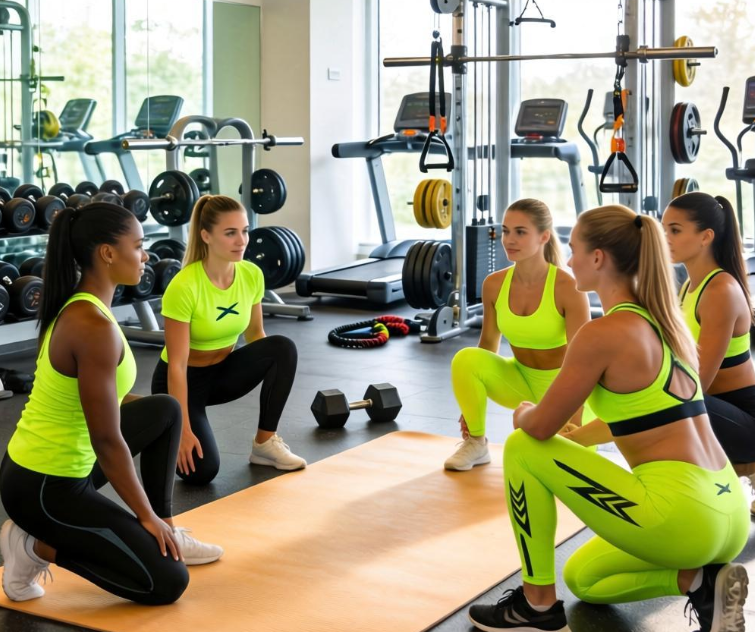
Popular Courses for Newcomers
Among the most accessible options is the beginner’s strength training program. This usually includes bodyweight exercises such as push-ups, squats, and lunges, gradually introducing resistance through dumbbells or resistance bands. The focus here is on developing muscle control and endurance, making it an ideal starting point for those looking to build a strong physical base.
Another widely recommended course is the introductory cardio program. Activities like walking, cycling, or using the treadmill are commonly included. These sessions help improve heart health, boost metabolism, and enhance overall stamina. A typical session might start with a warm-up jog, followed by intervals of moderate and high-intensity movement, and end with a cool-down stretch. This structure ensures that participants stay engaged while progressing at their own pace.
Yoga and Pilates have also gained popularity among beginners due to their low-impact nature and emphasis on mindfulness. Yoga classes often begin with simple postures like downward dog or child’s pose, gradually building up to more complex sequences. Pilates, on the other hand, focuses on core stability and controlled movements, often using equipment like mats or small balls. Both practices offer mental and physical benefits, making them excellent choices for those new to fitness.
Tailoring Programs to Individual Needs
One of the key advantages of modern fitness programs is their adaptability. Many courses allow participants to modify exercises based on their fitness levels, ensuring that everyone can benefit regardless of their current condition. For example, a person with limited mobility might be guided through chair-based exercises, while someone with more experience could add weights or increase the duration of their workout.
In addition, some programs incorporate elements of nutrition and lifestyle coaching. These sessions may discuss meal planning, hydration, and sleep patterns, helping participants understand that fitness is not just about exercise but also about overall well-being. This holistic approach can be particularly beneficial for beginners who are still learning how to balance different aspects of a healthy lifestyle.

Real-World Applications and Progression
The real value of these courses lies in their ability to translate theory into practice. A beginner who completes a 12-week strength training program might find themselves able to lift heavier weights or perform more repetitions than they could at the start. Similarly, someone who consistently attends yoga classes may notice improved flexibility and reduced stress levels. These tangible results serve as powerful motivators, encouraging continued participation and growth.
Moreover, many fitness instructors offer follow-up sessions or progression plans once a beginner has completed the initial course. This helps ensure that individuals do not plateau and continue to challenge themselves as they gain confidence and skill.
Final Thoughts
Choosing the right beginner fitness course is about matching personal goals with available resources. Whether focusing on strength, cardio, or mind-body practices, there is a wealth of options tailored to new learners. By taking the time to explore these programs and understanding how they can support long-term health, individuals can embark on their fitness journey with clarity, purpose, and enthusiasm.
Disclaimer:
1. This article is sourced from the Internet. All content represents the author's personal views only and does not reflect the stance of this website. The author shall be solely responsible for the content.
2. Part of the content on this website is compiled from the Internet. This website shall not be liable for any civil disputes, administrative penalties, or other losses arising from improper reprinting or citation.
3. If there is any infringing content or inappropriate material, please contact us to remove it immediately. Contact us at:
