
What Are the Best Beginner-Friendly Fitness Courses?
For individuals stepping into the world of fitness, choosing the right starting point can significantly impact their long-term success and enjoyment. The best beginner-friendly fitness courses are those that balance accessibility with effectiveness, offering a structured yet flexible approach to building foundational strength, endurance, and healthy habits.
Understanding the Needs of Newcomers
Fitness for beginners is not just about physical exertion—it’s about creating a sustainable lifestyle. Many newcomers may feel overwhelmed by the vast array of options available, from high-intensity interval training (HIIT) to yoga and weightlifting. The key is to find programs that prioritize gradual progression, clear instruction, and a supportive environment. These elements help reduce the risk of injury and increase motivation, making the journey more enjoyable and less intimidating.
Popular Options for Beginners
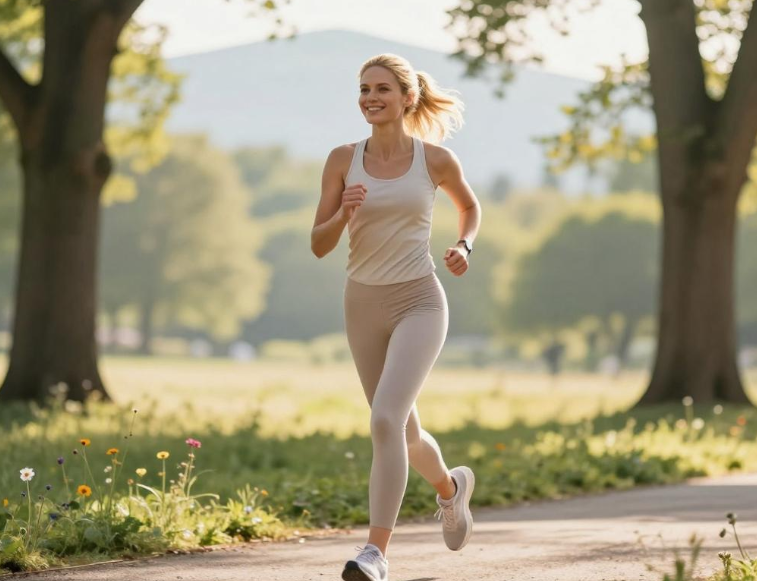
Several types of fitness courses stand out as particularly well-suited for newcomers. Bodyweight training, for instance, requires no equipment and focuses on mastering fundamental movements like squats, push-ups, and planks. This type of program is ideal for those who want to build strength without investing in a gym membership. On the other hand, low-impact cardio classes, such as walking or cycling, offer a gentle way to improve cardiovascular health while keeping stress on the joints minimal.
Yoga and Pilates are also excellent choices, especially for those looking to enhance flexibility, posture, and mental focus. These practices often emphasize mindfulness and controlled breathing, which can be particularly beneficial for individuals new to exercise. Additionally, many modern fitness platforms now offer online courses that provide guided sessions, allowing learners to practice at their own pace from the comfort of home.
The Role of Instruction and Community
One of the most critical factors in selecting a beginner course is the quality of instruction. A good instructor can make all the difference by breaking down complex movements, correcting form, and encouraging consistent effort. Group settings can also foster a sense of community, which is invaluable for maintaining motivation. Even in virtual environments, interactive features like live feedback or discussion forums can create a supportive atmosphere that mirrors in-person classes.
Real-World Applications and Personalization
While general guidelines are helpful, it's important to recognize that each individual has unique goals, preferences, and physical conditions. A beginner might be focused on weight loss, while another could be aiming to improve mobility or manage chronic pain. Courses that allow for personalization—whether through adjustable intensity levels or tailored routines—can better meet these diverse needs. For example, some programs offer modular content where users can choose specific modules based on their interests, such as core strengthening, flexibility, or functional movement.
Avoiding Common Pitfalls
Newcomers often fall into the trap of overestimating their abilities or rushing into advanced programs too soon. This can lead to burnout or injury, which deters long-term commitment. A well-designed beginner course should encourage patience and consistency, emphasizing small, achievable milestones rather than quick fixes. It’s also crucial to listen to one’s body and seek professional advice when needed, especially if there are pre-existing health concerns.
Final Thoughts
Ultimately, the best beginner-friendly fitness courses are those that empower individuals with knowledge, support, and practical tools to build a strong foundation. Whether through in-person classes, online platforms, or hybrid models, the goal is to create an engaging and sustainable path toward a healthier lifestyle. With the right approach, even the most hesitant newcomers can discover the joy and benefits of regular physical activity.
Disclaimer:
1. This article is sourced from the Internet. All content represents the author's personal views only and does not reflect the stance of this website. The author shall be solely responsible for the content.
2. Part of the content on this website is compiled from the Internet. This website shall not be liable for any civil disputes, administrative penalties, or other losses arising from improper reprinting or citation.
3. If there is any infringing content or inappropriate material, please contact us to remove it immediately. Contact us at:
