
What Are the Fundamental Methods of Flexibility Training?
Flexibility training is a cornerstone of physical fitness, offering benefits that extend beyond mere range of motion. It enhances joint function, reduces injury risk, and improves overall movement efficiency. Whether you're an athlete aiming to boost performance or someone looking to maintain mobility as you age, understanding the fundamental methods of flexibility training is essential.

The Importance of a Holistic Approach
Flexibility isn't just about stretching; it's about cultivating a balanced relationship between muscles, tendons, and joints. A well-rounded approach integrates various techniques that target different aspects of mobility. This includes dynamic and static stretching, proprioceptive neuromuscular facilitation (PNF), and even lifestyle adjustments such as posture and hydration. The goal is not only to increase flexibility but also to ensure that the body remains stable and resilient.
Dynamic Stretching: Warming Up the Body
Dynamic stretching involves controlled movements that mimic the actions of the activity you're about to perform. Unlike static stretches, which involve holding a position for an extended period, dynamic stretches are active and help prepare the body for physical exertion. For example, leg swings, arm circles, and walking lunges are common dynamic stretches used before a workout. These movements increase blood flow, raise muscle temperature, and improve neuromuscular coordination, making them ideal for warm-ups.
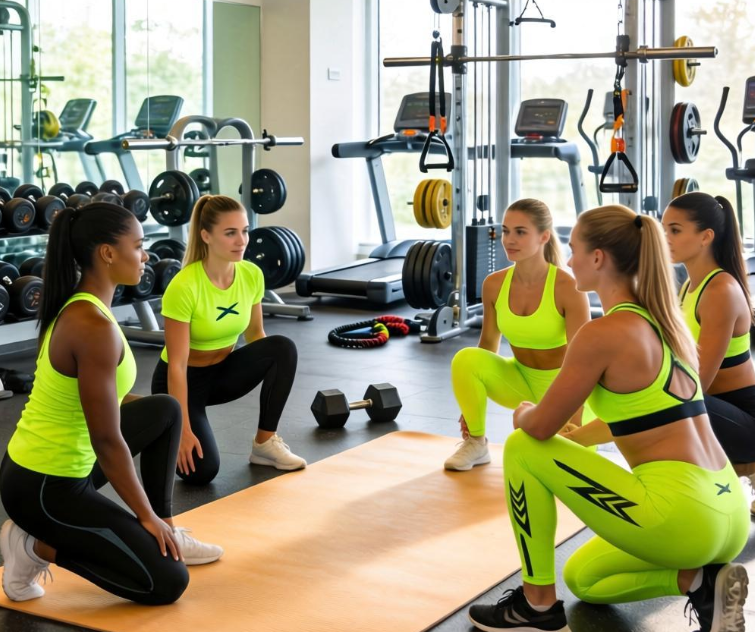
Static Stretching: Enhancing Range of Motion
Static stretching, on the other hand, focuses on holding a stretch for a set duration—typically 15 to 30 seconds. This method is most effective when performed after a workout, when the muscles are already warmed up. Static stretches can target specific muscle groups, such as the hamstrings, quadriceps, or shoulders, and are often used in yoga or Pilates routines. Regular practice can lead to long-term improvements in flexibility and muscle length.
Proprioceptive Neuromuscular Facilitation (PNF): A Powerful Technique
PNF is a more advanced form of stretching that combines both stretching and contracting muscles. One popular technique is the "contract-relax" method, where a muscle is first stretched, then contracted against resistance, and finally relaxed into a deeper stretch. This method leverages the body’s natural reflexes to achieve greater flexibility than traditional stretching alone. PNF is particularly useful for athletes or individuals with tight muscles who need rapid improvements in mobility.
Foam Rolling and Myofascial Release: Addressing Tension
While not a direct form of stretching, foam rolling and myofascial release play a crucial role in flexibility training. These techniques help break up knots and adhesions in the muscles and connective tissues, allowing for better movement and reduced stiffness. Using a foam roller or a massage ball can be especially beneficial for areas like the IT band, lower back, and calves. Incorporating these practices into a daily routine can significantly enhance overall flexibility and recovery.
Mind-Body Connection: The Role of Awareness
Flexibility is not solely a physical endeavor—it also requires mental engagement. Being present during stretching exercises helps improve focus and control, leading to more effective outcomes. Techniques like yoga and tai chi emphasize this mind-body connection, encouraging practitioners to move with intention and awareness. This holistic perspective can make flexibility training more enjoyable and sustainable over time.
Real-World Application: Integrating Flexibility into Daily Life
Incorporating flexibility training doesn’t have to be time-consuming or complicated. Simple habits, such as taking a few minutes each day to stretch after waking up or before bed, can yield significant results. Athletes might benefit from structured routines that include a mix of dynamic and static stretches, while office workers can use seated stretches to counteract prolonged sitting. The key is consistency and adaptability.
Conclusion: Flexibility as a Lifestyle
Ultimately, flexibility training is more than a series of exercises—it's a mindset. By embracing a variety of methods and integrating them into daily life, individuals can experience lasting improvements in mobility, comfort, and performance. Whether through stretching, rolling, or mindful movement, the journey toward greater flexibility is one worth pursuing.
Disclaimer:
1. This article is sourced from the Internet. All content represents the author's personal views only and does not reflect the stance of this website. The author shall be solely responsible for the content.
2. Part of the content on this website is compiled from the Internet. This website shall not be liable for any civil disputes, administrative penalties, or other losses arising from improper reprinting or citation.
3. If there is any infringing content or inappropriate material, please contact us to remove it immediately. Contact us at:
