
The Various Methods of Joint Mobility Training
Joint mobility training plays a crucial role in maintaining physical function, preventing injury, and facilitating recovery after illness or surgery. Whether for athletes aiming to enhance performance or patients recovering from musculoskeletal conditions, understanding the different approaches to joint movement is essential. The methods available range from passive techniques to active participation, each tailored to specific needs and goals.
Understanding the Purpose of Joint Mobility Training
At its core, joint mobility training focuses on improving the range of motion (ROM) in joints by stretching and strengthening surrounding muscles, ligaments, and tendons. This process not only enhances flexibility but also supports better posture, reduces pain, and lowers the risk of future injuries. For individuals with chronic conditions such as arthritis, consistent practice can significantly improve quality of life. However, the effectiveness of these methods depends largely on proper execution and personalization to individual requirements.
Passive vs. Active Techniques
One of the most fundamental distinctions in joint mobility training lies between passive and active methods. Passive techniques involve external assistance—whether from a therapist, a mechanical device, or even gravity—to move the joint without requiring the individual’s own muscle effort. These are particularly useful for those with limited mobility or post-surgical rehabilitation. Examples include assisted stretching, hydrotherapy, and the use of traction devices.
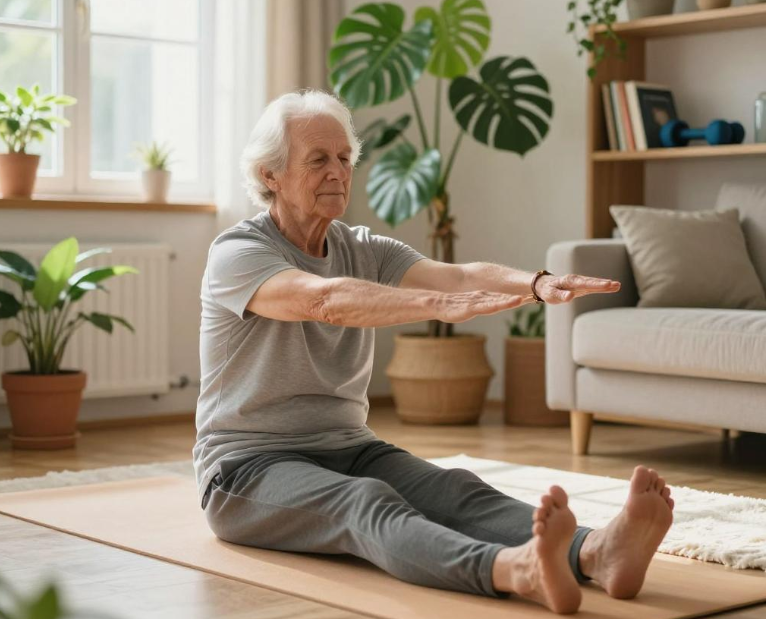
In contrast, active techniques require the individual to engage their own muscles to move the joint through its full range. These methods often emphasize strength and control, making them ideal for general fitness or rehabilitation. Activities like yoga, Pilates, and dynamic stretching fall under this category. The key advantage here is that they promote neuromuscular coordination and long-term functional improvement.
Manual Therapy and Manipulation
Another approach involves manual therapy, which is typically performed by physiotherapists or chiropractors. Techniques such as joint mobilization and manipulation aim to restore normal joint function by applying controlled force to restricted areas. These methods can be especially effective for addressing stiffness or misalignment, but they should always be conducted by trained professionals to avoid complications. Patients often report immediate relief following these sessions, though long-term benefits depend on continued engagement with complementary exercises.

Use of Equipment and Technology
Modern advancements have introduced various tools designed to support joint mobility training. Resistance bands, foam rollers, and stability balls are popular choices for home-based routines. More advanced options include robotic-assisted therapy systems and computerized gait analysis equipment, which offer precise feedback and personalized adjustments. These technologies not only make training more accessible but also help track progress over time, allowing for more informed modifications to the regimen.
Incorporating Functional Movements
Beyond isolated joint work, integrating functional movements into training can yield more holistic results. Functional training mimics everyday activities, engaging multiple joints and muscle groups simultaneously. For instance, squats, lunges, and rotational twists challenge balance and coordination while promoting joint health. This type of training is especially beneficial for older adults or individuals looking to improve overall physical resilience.
Personalized Approaches and Professional Guidance
No single method fits all, and the success of joint mobility training often hinges on individualized planning. A healthcare provider or physical therapist can assess a person’s condition, identify limitations, and recommend a suitable program. Regular assessments help adjust the plan as needed, ensuring that it remains both safe and effective. Moreover, consistency is key—even small daily efforts can lead to meaningful improvements over time.
Conclusion
In summary, joint mobility training encompasses a wide array of techniques, each with unique benefits and applications. From passive stretches to active exercises, manual interventions to technological aids, the goal remains the same: to enhance joint function and support overall well-being. Whether you're recovering from an injury or simply looking to stay active, exploring these methods under professional guidance can lead to lasting, positive outcomes. The journey to improved mobility is not just about movement—it's about reclaiming freedom, confidence, and control over your body.
Disclaimer:
1. This article is sourced from the Internet. All content represents the author's personal views only and does not reflect the stance of this website. The author shall be solely responsible for the content.
2. Part of the content on this website is compiled from the Internet. This website shall not be liable for any civil disputes, administrative penalties, or other losses arising from improper reprinting or citation.
3. If there is any infringing content or inappropriate material, please contact us to remove it immediately. Contact us at:
