
What Are the Preventive Precautions for Sports Injuries?
Preventing sports injuries is a critical aspect of maintaining long-term physical health and performance. Whether you are an elite athlete or someone who engages in regular physical activity, understanding and implementing preventive measures can significantly reduce the risk of harm. The key lies in a combination of proper preparation, mindful execution, and ongoing awareness of one's body’s limits.
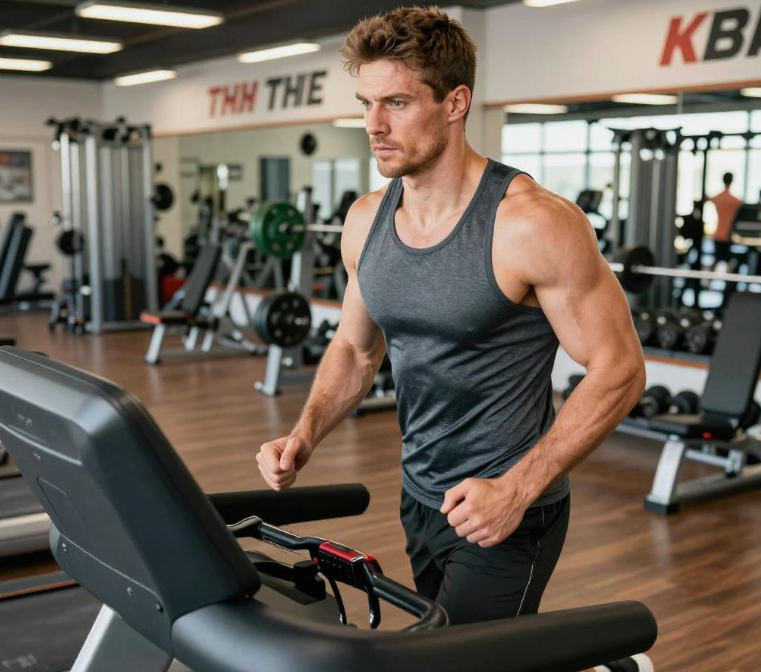
Understanding the Risks
Before diving into prevention strategies, it's important to recognize that sports injuries can stem from various sources. These include overuse, improper technique, inadequate warm-up, poor equipment, and environmental factors. For instance, a runner who neglects to stretch before a long-distance run may be more prone to hamstring strains. Similarly, a weightlifter using incorrect form might suffer from shoulder dislocations or lower back pain. Each sport carries its own set of risks, but many of the underlying principles of injury prevention remain consistent across disciplines.
The Role of Warm-Up and Cool-Down
One of the most fundamental yet often overlooked aspects of injury prevention is the warm-up and cool-down process. A dynamic warm-up, which includes movements that mimic the activity ahead, increases blood flow, enhances flexibility, and prepares the body for exertion. On the other hand, a cool-down session helps the body transition back to a resting state, reducing muscle soreness and promoting recovery. Think of it as a bridge between activity and rest—without it, the body can be left in a state of imbalance, increasing the likelihood of strain or fatigue-related injuries.

Proper Technique and Form
Injury often stems from how an individual performs a movement rather than the movement itself. Proper technique not only improves efficiency but also minimizes stress on joints and muscles. For example, in tennis, a player who uses their entire body to generate power instead of relying solely on their arm is less likely to experience elbow injuries. Coaches and trainers play a crucial role here, offering real-time feedback and correcting form to ensure safety and effectiveness.
Strength and Conditioning
Building a strong foundation through strength training and conditioning is another vital component of injury prevention. Muscles, tendons, and ligaments need to be resilient enough to handle the demands of physical activity. A well-rounded fitness program should include exercises that target both major and minor muscle groups, with a focus on stability and balance. Consider the analogy of a car: just as tires and brakes are essential for safe driving, so too are strong muscles and stable joints for safe movement.
Appropriate Equipment and Environment
Using the right gear can make a significant difference in injury risk. This includes properly fitted shoes, supportive braces, and protective equipment such as helmets or knee pads. Additionally, the environment in which one trains matters. Running on uneven terrain without proper footwear, for example, can lead to ankle sprains or shin splints. Always assess the conditions before engaging in any activity and adjust accordingly.
Listening to Your Body
Perhaps the most intuitive yet frequently ignored precaution is paying attention to your body’s signals. Pain, fatigue, and discomfort are not just minor inconveniences—they are messages from the body indicating that something is out of balance. Ignoring these signs can lead to more severe injuries down the line. Athletes and recreational participants alike should cultivate a habit of self-awareness, recognizing when to push harder and when to take a step back.
Recovery and Rest
Injury prevention is not solely about avoiding harm; it also involves ensuring adequate recovery. Overtraining can lead to chronic injuries, such as stress fractures or tendonitis. Incorporating rest days, sleep, and active recovery techniques like yoga or swimming can help maintain overall wellness. Recovery is not a passive process—it is an active investment in long-term performance and health.
Conclusion
In summary, preventing sports injuries requires a multifaceted approach that combines physical preparedness, technical awareness, and personal responsibility. From warming up properly to listening to the body’s signals, each step plays a role in safeguarding one’s physical well-being. While no strategy can guarantee complete immunity from injury, adopting these precautions significantly reduces the risk and promotes a safer, more sustainable relationship with physical activity. Ultimately, the goal is not just to perform better, but to stay healthier and enjoy the benefits of movement for years to come.
Disclaimer:
1. This article is sourced from the Internet. All content represents the author's personal views only and does not reflect the stance of this website. The author shall be solely responsible for the content.
2. Part of the content on this website is compiled from the Internet. This website shall not be liable for any civil disputes, administrative penalties, or other losses arising from improper reprinting or citation.
3. If there is any infringing content or inappropriate material, please contact us to remove it immediately. Contact us at:
