
Upper and Lower Body Strength Training
Strength training for both the upper and lower body is a fundamental component of any well-rounded fitness regimen. Whether you're an athlete, a busy professional, or someone simply looking to improve overall health, integrating exercises that target these major muscle groups can yield significant benefits in terms of strength, endurance, and functional ability.
The Importance of Balanced Development
A common mistake among many individuals is focusing disproportionately on one area of the body while neglecting the other. For instance, someone might spend hours working on their chest and arms but overlook the legs and back. This imbalance can lead to poor posture, increased risk of injury, and reduced performance in daily activities or sports. A balanced approach ensures that all major muscle groups are developed in harmony, promoting better movement patterns and greater overall stability.
Consider the example of a runner who strengthens only their upper body. While this may help with core engagement, it doesn’t address the primary muscles responsible for propulsion—namely the quadriceps, hamstrings, and glutes. Conversely, a weightlifter who ignores upper body work may find themselves unable to maintain proper form during compound lifts like the deadlift or bench press. The key takeaway is that no part of the body exists in isolation; each plays a role in the body’s mechanical efficiency.
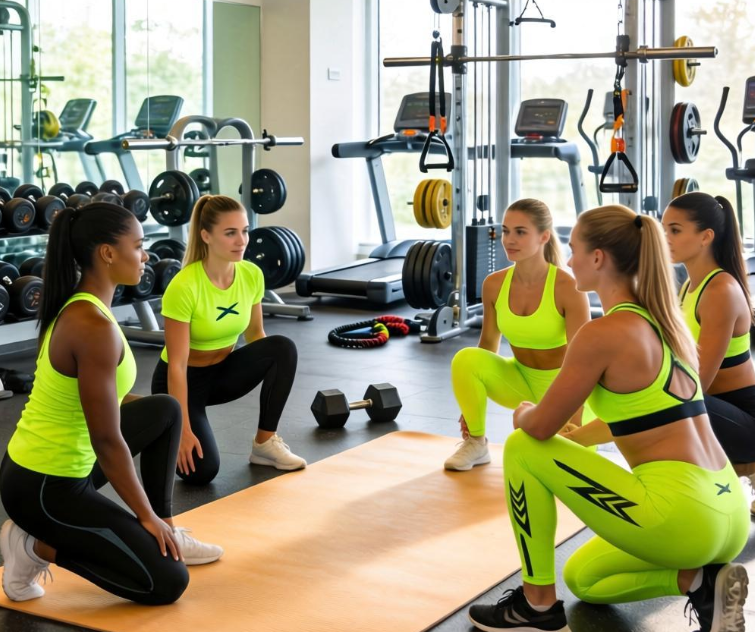
Designing an Effective Routine
Creating a strength training program that targets both the upper and lower body requires careful planning and consistency. A well-structured routine should include a mix of compound movements—such as squats, deadlifts, push-ups, and pull-ups—that engage multiple muscle groups at once. These exercises not only build strength but also enhance coordination and metabolic rate.
For instance, a typical session might start with a lower-body focus, such as barbell squats or lunges, followed by upper-body exercises like dumbbell rows or overhead presses. This sequence allows for adequate recovery between major muscle groups while maintaining intensity. It's also important to vary the types of exercises, rep ranges, and sets to prevent plateaus and keep the body challenged.
Real-World Applications and Benefits
Beyond aesthetics, strength training has profound implications for everyday life. Improved upper body strength can make tasks like lifting groceries or carrying children easier, while stronger legs contribute to better balance and mobility. Athletes benefit from enhanced power and agility, and older adults often see improvements in joint health and fall prevention.
Moreover, strength training has been linked to long-term health benefits, including increased bone density, improved metabolism, and better mental health. The physical demands of lifting weights trigger the release of endorphins, which can reduce stress and elevate mood. It's not just about building muscle—it's about building a healthier, more resilient body.

Practical Tips for Success
To maximize the effectiveness of your training, consistency is crucial. Aim for at least two to three sessions per week, allowing adequate rest between workouts. Proper form should always take precedence over the amount of weight lifted, as this reduces the risk of injury and ensures that the intended muscles are being engaged.
Nutrition and recovery also play vital roles. Consuming enough protein supports muscle repair and growth, while sufficient sleep helps the body recover and adapt to the training stimulus. Additionally, incorporating flexibility and mobility work can enhance range of motion and reduce the likelihood of tightness or strain.
Conclusion
In summary, a comprehensive strength training program must address both the upper and lower body to achieve optimal results. By understanding the interdependence of different muscle groups and designing a balanced routine, individuals can unlock greater strength, functionality, and overall well-being. Whether you're a seasoned athlete or a beginner, the principles of upper and lower body development remain essential in the pursuit of a stronger, healthier lifestyle.
Disclaimer:
1. This article is sourced from the Internet. All content represents the author's personal views only and does not reflect the stance of this website. The author shall be solely responsible for the content.
2. Part of the content on this website is compiled from the Internet. This website shall not be liable for any civil disputes, administrative penalties, or other losses arising from improper reprinting or citation.
3. If there is any infringing content or inappropriate material, please contact us to remove it immediately. Contact us at:
