
The Myth of Muscle Gain and Weight Loss: Why Strength Training Doesn’t Always Mean You Lose Weight
It’s a common misconception that lifting weights will automatically lead to weight loss. In reality, strength training can result in little to no change on the scale, or even a slight increase. This phenomenon is rooted in the complex interplay between muscle mass, body composition, and metabolic processes. Understanding this dynamic is essential for anyone looking to optimize their fitness journey.
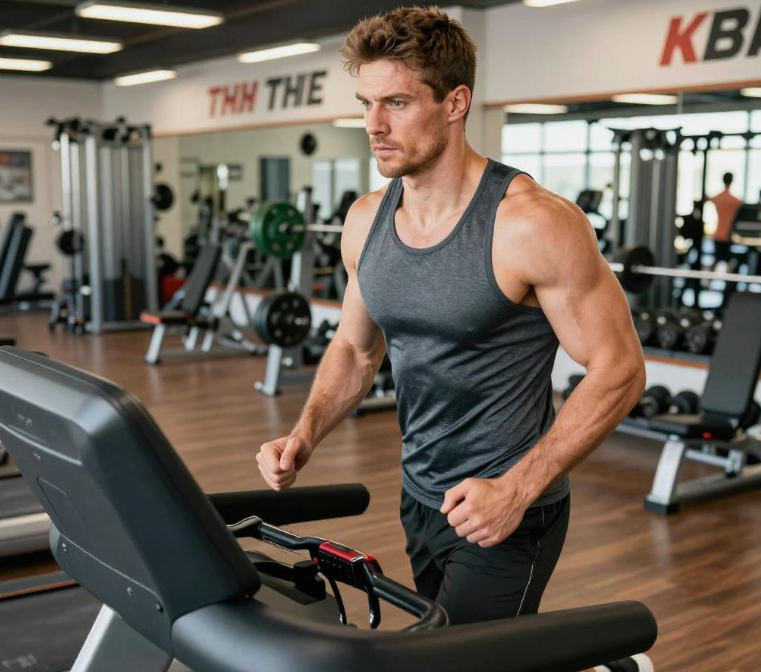
The Science Behind Body Composition Changes
When you engage in strength training, your body undergoes a transformation at the cellular level. Muscle fibers become thicker and more efficient, while fat cells shrink or remain stable. However, muscle tissue is denser than fat, meaning that even if you’re losing fat, the added muscle can offset that loss on the scale. Think of it like replacing a bunch of lightweight balloons with solid bricks—your overall weight might go up, but your body looks and feels different.
Consider the case of someone who starts a resistance program with a body fat percentage of 25%. After several months of consistent training, they may lose 10 pounds of fat while gaining 5 pounds of muscle. The net result is a 5-pound increase on the scale, yet their body composition has significantly improved. This shift often goes unnoticed by those focused solely on the number on the scale.
Metabolic Adaptations and Energy Expenditure
Another key factor is how your metabolism responds to strength training. While cardio burns calories during the activity, strength training boosts your resting metabolic rate (RMR). This means your body continues to burn calories even when you're not working out. However, this increased calorie burn doesn't always translate to visible weight loss, especially if your diet remains unchanged.
For example, a person who increases their muscle mass through resistance training may find that their appetite also increases. If they don't adjust their caloric intake accordingly, they might not see a drop in weight, despite making progress in terms of strength and endurance. It's a reminder that weight alone isn't the best indicator of health or fitness success.

The Role of Diet and Lifestyle Factors
Diet plays a crucial role in how your body responds to strength training. Without proper nutrition, the benefits of resistance exercise can be undermined. For instance, a high-protein diet supports muscle growth, while insufficient carbohydrates can hinder recovery and performance. Moreover, sleep and stress management also influence hormonal balance, which in turn affects body composition.
Take the story of a professional athlete who followed a strict strength-training regimen but failed to see weight loss. Upon closer examination, it turned out that their protein intake was too low, and their sleep patterns were irregular. Once these factors were addressed, their body composition began to shift in a more favorable direction.
Beyond the Scale: Measuring True Progress
The scale is just one tool among many for tracking progress. Other metrics—such as body measurements, strength gains, energy levels, and even mood—can offer a more comprehensive picture of your health. A person who gains muscle and loses fat might not look any smaller in the mirror, but they’ll likely feel stronger, more confident, and more capable.
In the world of fitness, it’s important to remember that progress isn’t always linear or immediately visible. Strength training builds a foundation that supports long-term health, and the benefits extend far beyond what the scale can show. By focusing on overall well-being rather than just weight, individuals can achieve sustainable and meaningful results.
Disclaimer:
1. This article is sourced from the Internet. All content represents the author's personal views only and does not reflect the stance of this website. The author shall be solely responsible for the content.
2. Part of the content on this website is compiled from the Internet. This website shall not be liable for any civil disputes, administrative penalties, or other losses arising from improper reprinting or citation.
3. If there is any infringing content or inappropriate material, please contact us to remove it immediately. Contact us at:
