
Correcting O-Shape Legs: A Comprehensive Guide to Posture Correction
O-shaped legs, also known as genu varum, are a common postural issue that affects people of all ages. While often associated with childhood development, the condition can persist into adulthood and may lead to long-term musculoskeletal complications if left unaddressed. Understanding the causes, symptoms, and treatment options is essential for anyone seeking to improve their posture and overall physical well-being.
Understanding the Condition
Genu varum occurs when the knees bow outward, creating an O-shape between the ankles and thighs. This misalignment places uneven pressure on the joints, particularly the knees and hips, which can result in pain, instability, and even early onset arthritis. The condition is not always visible at first glance, but it becomes more apparent during activities like walking or standing for extended periods.
The causes of O-shaped legs vary. Some individuals are born with the condition due to genetic factors, while others develop it as a result of poor posture, muscle imbalances, or improper footwear. In children, it is often a natural part of growth, but if it persists beyond a certain age, intervention may be necessary.
Identifying Symptoms and Risks
Recognizing the signs of O-shaped legs is crucial for early intervention. Common symptoms include difficulty walking without limping, frequent knee pain, and a noticeable gap between the knees when standing with feet together. Over time, the condition can contribute to lower back pain, hip discomfort, and even gait abnormalities.
Beyond physical discomfort, there are long-term risks associated with untreated genu varum. Chronic strain on the joints can accelerate wear and tear, leading to conditions such as osteoarthritis. Additionally, the altered biomechanics of the body may affect other areas, including the spine and shoulders, resulting in a cascade of musculoskeletal issues.

Treatment Options and Rehabilitation
Addressing O-shaped legs requires a multifaceted approach tailored to the individual’s specific needs. Physical therapy is often the first line of treatment, focusing on strengthening the muscles around the knees and improving flexibility. Exercises such as squats, lunges, and resistance band training can help realign the legs and enhance joint stability.
In some cases, orthotic devices or custom-made shoe inserts may be recommended to correct gait patterns and reduce stress on the joints. These tools can provide support and help maintain proper alignment throughout daily activities.
For more severe cases, medical interventions such as bracing or surgery might be considered. However, these options are typically reserved for situations where conservative treatments have failed to produce significant improvement.
Lifestyle Adjustments and Prevention
Prevention and long-term management of O-shaped legs involve making conscious lifestyle choices. Maintaining a healthy weight reduces the load on the joints, while regular exercise helps keep the muscles strong and flexible. Choosing supportive footwear that promotes proper foot alignment is also essential.
Posture awareness plays a key role in preventing further deterioration. Simple adjustments, such as sitting with feet flat on the floor and avoiding prolonged cross-legged positions, can make a meaningful difference over time.
A Holistic Approach to Recovery
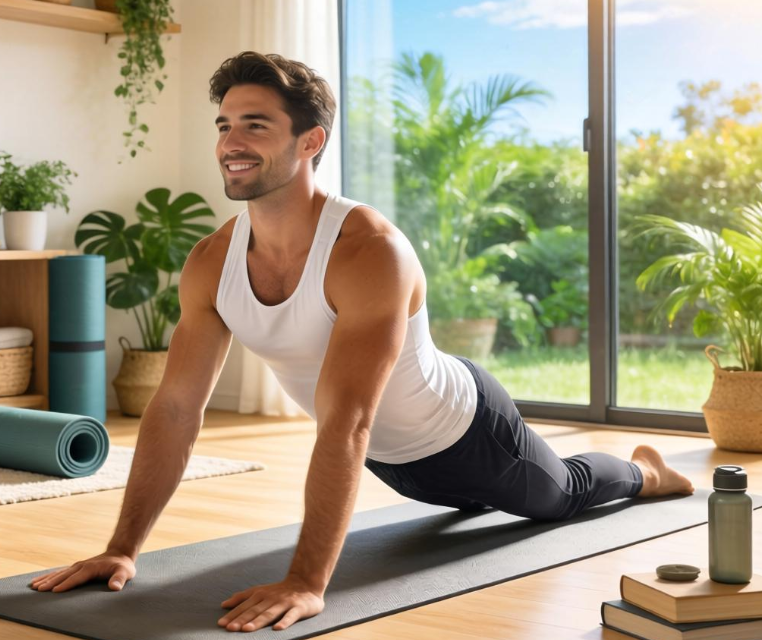
Recovery from O-shaped legs is not just about physical correction—it’s about restoring balance and function to the entire body. Incorporating mindfulness practices, such as yoga or Pilates, can enhance body awareness and promote better movement patterns. These practices also offer mental benefits, helping individuals stay motivated and committed to their rehabilitation journey.
It’s important to remember that progress takes time and consistency. What may seem like small improvements—such as walking more comfortably or experiencing less pain—can add up to significant changes over the long term.
Conclusion
O-shaped legs are more than a cosmetic concern; they represent a complex interplay of anatomy, movement, and lifestyle factors. By understanding the underlying causes and taking proactive steps toward correction, individuals can reclaim their mobility, reduce pain, and improve their quality of life. Whether through targeted exercises, supportive devices, or professional guidance, the path to better posture is within reach. With patience, dedication, and the right approach, anyone can work toward a stronger, more balanced body.
Disclaimer:
1. This article is sourced from the Internet. All content represents the author's personal views only and does not reflect the stance of this website. The author shall be solely responsible for the content.
2. Part of the content on this website is compiled from the Internet. This website shall not be liable for any civil disputes, administrative penalties, or other losses arising from improper reprinting or citation.
3. If there is any infringing content or inappropriate material, please contact us to remove it immediately. Contact us at:
