
How to Relax After Flexibility Training
After completing a session of flexibility training, it is essential to prioritize recovery through proper relaxation techniques. This phase is not just a formality but a critical component of the overall training process that supports long-term progress and injury prevention. Whether you're an athlete, a yoga enthusiast, or someone simply looking to improve mobility, understanding how to effectively relax after stretching can significantly enhance your results.
The Importance of Post-Training Recovery
Flexibility training, whether through dynamic movements, static holds, or proprioceptive neuromuscular facilitation (PNF), places specific demands on the musculoskeletal system. As muscles lengthen and joints move into new ranges of motion, they require time to settle and return to their baseline state. Neglecting this recovery period can lead to increased soreness, reduced performance, and even potential strain. Think of it like winding down a car engine after a high-speed drive—without slowing down, the system can become stressed and less efficient over time.
Effective Techniques for Post-Flexibility Relaxation
One of the most straightforward methods is deep breathing. Focusing on slow, controlled breaths helps activate the parasympathetic nervous system, which promotes a state of calm and reduces muscle tension. Pairing this with a gentle stretch, such as a seated forward fold or a simple shoulder roll, can further ease the body into a relaxed state. These movements are not meant to push further into range but rather to acknowledge the work done and let the body adjust.
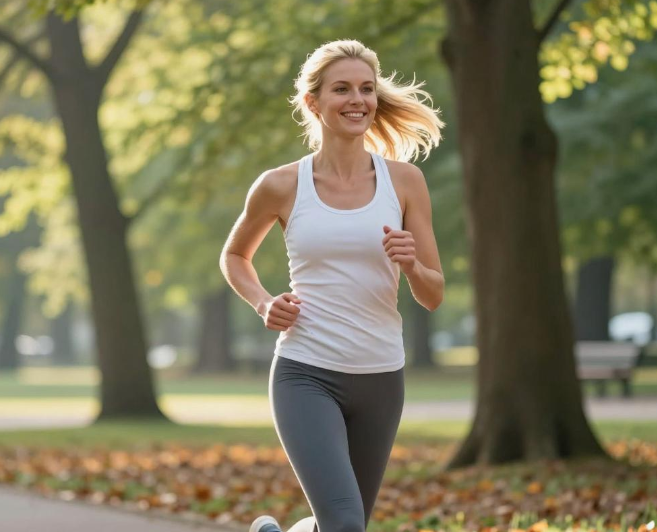
Another technique involves light movement, such as walking or low-intensity cycling. This encourages blood circulation and helps flush out metabolic waste products that may have accumulated during the training session. Imagine the body as a river—just as water flows more smoothly when there's no blockage, so too does the body benefit from continued movement post-exercise.
The Role of Hydration and Nutrition
Hydration plays a key role in post-training recovery. Muscles that have been stretched and worked need adequate fluids to function optimally. Water, electrolyte-rich drinks, or even herbal teas can support this process. Similarly, nutrition should not be overlooked. Consuming a balanced mix of protein and carbohydrates within 30–60 minutes after training can help repair muscle fibers and replenish energy stores. It’s like refueling a car after a long trip—without it, the next journey won’t go as smoothly.
Mental and Emotional Relaxation
Beyond physical aspects, mental and emotional relaxation is equally important. The mind often carries the stress of the day, and flexibility training can sometimes bring up feelings of vulnerability or discomfort. Taking a few moments to reflect, journal, or simply sit quietly can help integrate the experience and reduce mental fatigue. This practice is especially valuable for those who train regularly, as it fosters a deeper connection between body and mind.
Practical Tips for Everyday Implementation
For individuals with busy schedules, integrating relaxation into daily routines doesn’t have to be time-consuming. A five-minute guided meditation, a short walk after a workout, or even a warm shower can serve as effective recovery tools. The key is consistency and mindfulness. It’s not about perfection but about creating habits that support long-term well-being.
In summary, relaxing after flexibility training is not an afterthought—it’s a necessary step that contributes to both immediate comfort and long-term progress. By combining physical, nutritional, and mental strategies, individuals can maximize the benefits of their training and maintain a healthy, balanced approach to movement and wellness.
Disclaimer:
1. This article is sourced from the Internet. All content represents the author's personal views only and does not reflect the stance of this website. The author shall be solely responsible for the content.
2. Part of the content on this website is compiled from the Internet. This website shall not be liable for any civil disputes, administrative penalties, or other losses arising from improper reprinting or citation.
3. If there is any infringing content or inappropriate material, please contact us to remove it immediately. Contact us at:
