
What Is Aerobic Exercise?
Aerobic exercise refers to physical activity that increases heart rate and breathing over an extended period, primarily relying on the body's ability to efficiently use oxygen to generate energy. This type of movement is fundamental to improving cardiovascular health, enhancing endurance, and promoting overall well-being.

Understanding the Basics of Aerobic Exercise
At its core, aerobic exercise involves continuous, rhythmic movements that engage large muscle groups. Activities such as running, cycling, swimming, and brisk walking fall under this category. These exercises are designed to elevate the heart rate into a target zone, typically 50% to 85% of an individual’s maximum heart rate, depending on their fitness level and goals. The key characteristic of aerobic exercise is its sustainability—individuals can maintain it for at least 10 minutes, often much longer, without experiencing extreme fatigue.
The Physiological Benefits of Aerobic Activity
One of the most significant advantages of aerobic exercise is its impact on the cardiovascular system. Regular participation strengthens the heart muscle, improves blood circulation, and enhances the efficiency of oxygen delivery throughout the body. Over time, this leads to lower resting heart rates, reduced blood pressure, and a decreased risk of heart disease. Additionally, aerobic exercise supports lung function by increasing the capacity of the respiratory system to take in and utilize oxygen.
Beyond the heart and lungs, aerobic activity also plays a crucial role in metabolic health. It helps regulate blood sugar levels, improves insulin sensitivity, and contributes to weight management by burning calories. For those looking to build stamina or improve mental clarity, the endorphin release associated with sustained physical effort can be particularly beneficial.
Real-World Applications and Practical Considerations
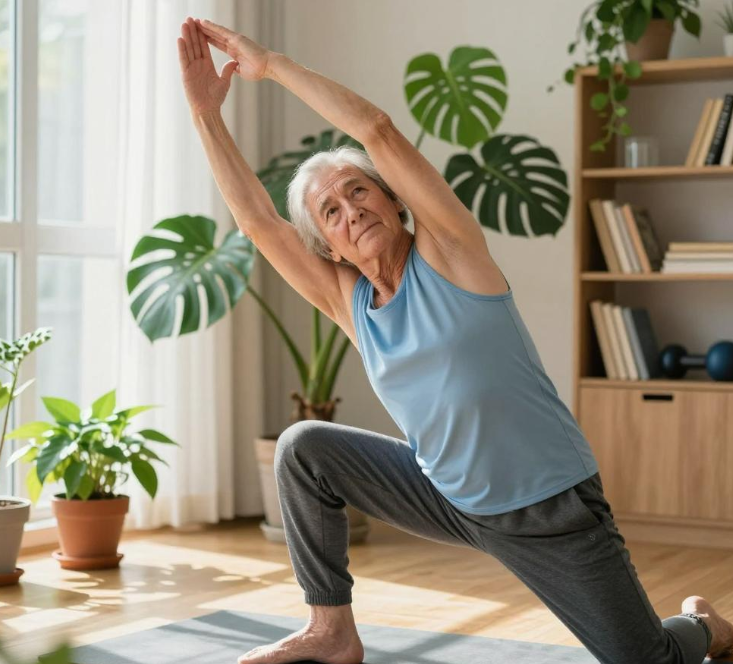
In everyday life, incorporating aerobic exercise doesn’t require a gym membership or specialized equipment. A simple walk around the neighborhood, a bike ride to work, or even dancing to favorite music can provide meaningful benefits. The key is consistency and enjoyment. People who find activities they genuinely like are more likely to stick with them long-term.
For beginners, starting slowly and gradually increasing intensity is essential. A common approach is to begin with short sessions of 10 to 15 minutes, then build up to 30 minutes or more. It’s also important to listen to one’s body and avoid overexertion, especially when first beginning a routine. Warming up and cooling down properly can help prevent injuries and enhance recovery.
Aerobic Exercise in Different Contexts
Aerobic exercise is not only beneficial for general health but also widely used in athletic training and rehabilitation. Athletes often integrate aerobic workouts into their routines to improve performance, while individuals recovering from injury may rely on low-impact aerobic activities to regain mobility and strength without putting excessive strain on the body.
Moreover, the adaptability of aerobic exercise makes it accessible to people of all ages and fitness levels. Whether someone is aiming to lose weight, manage chronic conditions, or simply feel more energetic, there is likely an aerobic activity that fits their needs and preferences.
Conclusion
In summary, aerobic exercise is a vital component of a healthy lifestyle, offering numerous physical, mental, and emotional benefits. By engaging in regular, sustained physical activity that elevates the heart rate, individuals can significantly improve their quality of life. Its versatility and effectiveness make it a cornerstone of both personal fitness and public health initiatives. Whether through structured routines or everyday movement, the value of aerobic exercise remains undeniable.
Disclaimer:
1. This article is sourced from the Internet. All content represents the author's personal views only and does not reflect the stance of this website. The author shall be solely responsible for the content.
2. Part of the content on this website is compiled from the Internet. This website shall not be liable for any civil disputes, administrative penalties, or other losses arising from improper reprinting or citation.
3. If there is any infringing content or inappropriate material, please contact us to remove it immediately. Contact us at:
