
Prenatal Dumbbell Strength Training
Prenatal dumbbell strength training has emerged as a valuable and safe approach to maintaining physical fitness throughout pregnancy, offering both physiological and psychological benefits. When properly structured and supervised, it can enhance muscular endurance, support joint stability, and contribute to a more comfortable and empowered pregnancy experience.
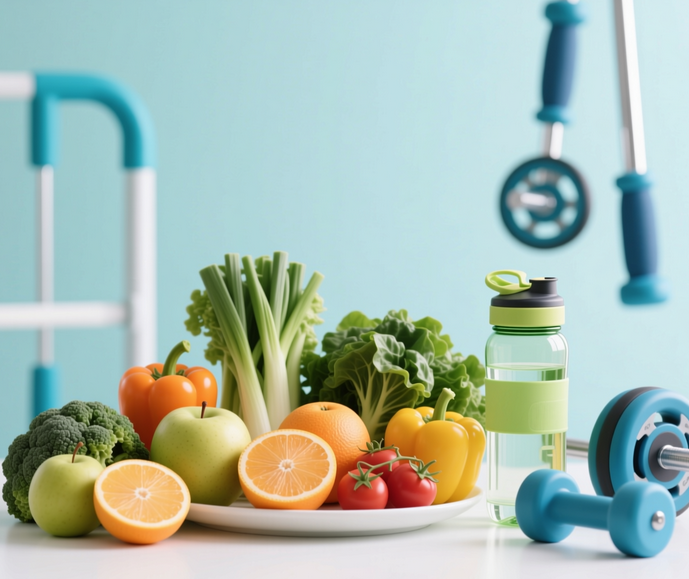
The Benefits of Prenatal Strength Training
Strength training during pregnancy is not just about building muscle—it’s about preparing the body for the unique demands of gestation and childbirth. Dumbbells provide an accessible and effective tool for this purpose. By engaging major muscle groups, such as the core, glutes, and lower back, pregnant individuals can improve posture, reduce the risk of injury, and alleviate common discomforts like back pain and fatigue.
Moreover, consistent strength training can help regulate weight gain, promote better sleep, and even ease labor by increasing overall stamina. It also plays a role in mental well-being, offering a sense of control and accomplishment during a time of significant bodily and emotional change.
Safety Considerations and Proper Form
Safety should always be the top priority when engaging in any form of exercise during pregnancy. Dumbbell workouts must be tailored to individual fitness levels and adjusted as the body changes throughout the trimesters. For instance, exercises that involve lying flat on the back should be avoided after the first trimester due to potential pressure on the inferior vena cava.
Proper form is equally critical. Even small adjustments in posture can make a big difference in preventing strain or injury. A qualified trainer or physical therapist who understands prenatal fitness can guide participants through modifications, such as using lighter weights or adjusting movement ranges to accommodate growing bellies and shifting centers of gravity.

Practical Examples and Real-World Applications
Consider a typical session: a pregnant woman might start with a warm-up of dynamic stretches, followed by a series of bodyweight squats or seated dumbbell presses. As her strength improves, she could progress to single-leg deadlifts or resistance band rows. These movements target key areas while remaining low-impact and adaptable.
In real-life scenarios, many expectant mothers find that incorporating strength training into their routine helps them feel more grounded and prepared for the challenges of labor and postpartum recovery. Some report feeling more confident in their ability to manage contractions and maintain energy levels during delivery.
Personal Insights and Professional Experience
From my experience working with prenatal clients, I’ve seen how even a modest strength training regimen can transform a woman’s pregnancy journey. One client, for example, struggled with chronic lower back pain early in her second trimester. After incorporating a few targeted dumbbell exercises, she noticed a marked improvement in her comfort and mobility. Her confidence grew, and she felt more connected to her changing body.
This kind of feedback underscores the importance of personalized, thoughtful programming. Every pregnancy is different, and so are the needs of each individual. Tailoring the workout to these unique circumstances ensures both safety and effectiveness.
Conclusion and Final Thoughts
In conclusion, prenatal dumbbell strength training is a powerful and practical way to support physical health and emotional well-being throughout pregnancy. With proper guidance, attention to form, and a focus on gradual progression, it can be a safe and rewarding addition to a prenatal wellness plan. Whether aiming to improve strength, manage discomfort, or simply feel more in control, the benefits of this practice are clear and impactful.
Disclaimer:
1. This article is sourced from the Internet. All content represents the author's personal views only and does not reflect the stance of this website. The author shall be solely responsible for the content.
2. Part of the content on this website is compiled from the Internet. This website shall not be liable for any civil disputes, administrative penalties, or other losses arising from improper reprinting or citation.
3. If there is any infringing content or inappropriate material, please contact us to remove it immediately. Contact us at:
