
The Importance of Injury Prevention in Sports Activities
In today’s fast-paced world, where physical activity is increasingly recognized as essential for health and well-being, the prevention of sports-related injuries has become a critical concern. Whether you're an elite athlete or someone who enjoys weekend workouts, understanding and implementing effective injury prevention strategies can significantly enhance performance and reduce recovery time. The key lies in a combination of proper preparation, mindful execution, and ongoing awareness.
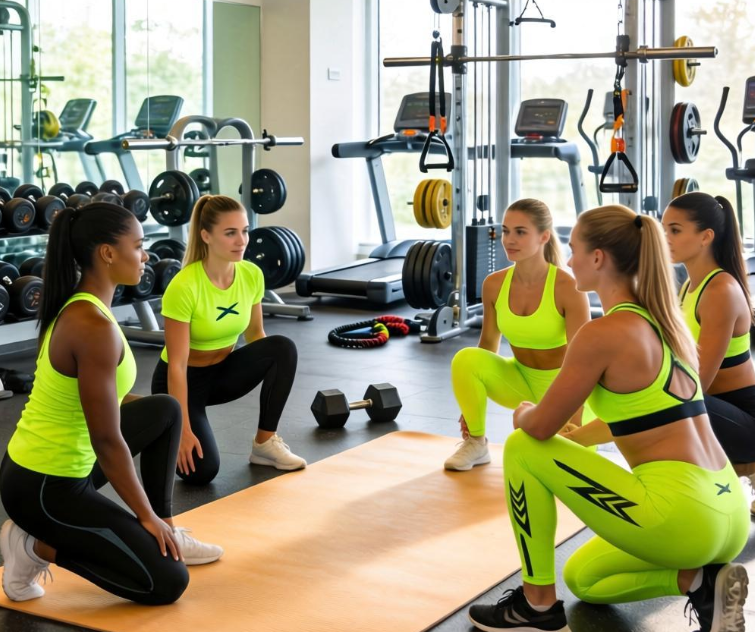
Understanding the Risks
Sports injuries can range from minor sprains to severe fractures, often resulting from overuse, improper technique, or inadequate conditioning. For instance, runners may face stress fractures due to repetitive impact, while weightlifters might suffer from shoulder dislocations if they don’t maintain correct form. Recognizing these risks is the first step toward effective prevention. It's not just about avoiding harm but also about fostering a sustainable relationship with physical activity.
Building a Strong Foundation
A solid base of strength, flexibility, and endurance is crucial for injury prevention. Many athletes overlook the importance of warm-ups and cool-downs, which serve as the body’s gateway to preparedness. A dynamic warm-up that includes movements like leg swings and arm circles can increase blood flow and muscle elasticity, reducing the likelihood of strains. Similarly, stretching after exercise helps maintain muscle balance and range of motion. These practices are not merely routine—they are foundational elements of a proactive approach to fitness.

Technique and Form Matter
One of the most overlooked aspects of injury prevention is proper technique. Whether it's lifting weights, playing soccer, or swimming, the way an activity is performed can make all the difference. For example, a tennis player who uses their entire body rather than just their arm when hitting a ball is less likely to experience shoulder pain. Coaches and trainers play a vital role in ensuring that individuals understand and apply correct form, which not only enhances performance but also minimizes the risk of long-term damage.
Listening to Your Body
Another critical component of injury prevention is learning to listen to your body. Pain is often the body’s way of signaling that something is wrong. Ignoring these signals can lead to more serious issues down the line. Athletes should pay attention to subtle changes in how they feel during and after training. If fatigue sets in too quickly or discomfort lingers, it may be time to reassess the intensity or type of activity being undertaken.
Rest and Recovery
Rest is not a sign of weakness; it’s a necessary part of any training regimen. Overtraining can lead to chronic injuries and burnout, both of which can derail progress. Incorporating rest days into a schedule allows the body to repair and rebuild. Additionally, techniques such as foam rolling, massage, and adequate sleep contribute to overall recovery. These practices help maintain physical resilience and mental clarity, both of which are essential for sustained performance.
Creating a Supportive Environment
Finally, the environment in which one trains plays a significant role in injury prevention. Ensuring that equipment is well-maintained, surfaces are safe, and conditions are appropriate can prevent many avoidable accidents. Moreover, having access to qualified professionals—such as physiotherapists, coaches, and medical staff—can provide valuable support and guidance. A supportive network fosters a culture of safety and accountability, making it easier to stay on track with injury prevention efforts.
In conclusion, preventing sports injuries requires a multifaceted approach that combines physical preparation, technical knowledge, bodily awareness, and environmental care. By taking these steps seriously, athletes and active individuals alike can enjoy their pursuits with greater confidence and longevity. Ultimately, the goal is not just to perform better but to stay healthier, stronger, and more engaged in the activities they love.
Disclaimer:
1. This article is sourced from the Internet. All content represents the author's personal views only and does not reflect the stance of this website. The author shall be solely responsible for the content.
2. Part of the content on this website is compiled from the Internet. This website shall not be liable for any civil disputes, administrative penalties, or other losses arising from improper reprinting or citation.
3. If there is any infringing content or inappropriate material, please contact us to remove it immediately. Contact us at:
