
A Comprehensive Guide to Flexibility Training Methods
Flexibility training is a cornerstone of physical wellness, offering benefits that extend beyond mere range of motion. It enhances performance, reduces injury risk, and supports long-term musculoskeletal health. Whether you're an athlete, a fitness enthusiast, or someone seeking to improve daily mobility, understanding the diverse methods available can transform your approach to movement and body care.
The Importance of Flexibility in Daily Life
Incorporating flexibility into your routine isn’t just about touching your toes or doing a split—it’s about how your body interacts with the world. Imagine your muscles as elastic bands; when they’re tight, they restrict movement and create tension. On the other hand, when they’re supple, they allow for smoother, more efficient motion. This principle applies across all activities, from lifting groceries to climbing stairs. A well-rounded flexibility program can make these everyday tasks feel effortless and less taxing on the body.

Dynamic vs. Static Stretching: Understanding the Difference
Stretching techniques vary, and choosing the right one depends on your goals and context. Dynamic stretching involves controlled movements that mimic the activity you’re about to perform. Think of it as a warm-up for your muscles—like leg swings before a run or arm circles before a workout. These movements increase blood flow, activate muscles, and prepare the body for action without the risk of over-stretching.
Static stretching, by contrast, involves holding a position for 15 to 30 seconds to lengthen muscles. It's best done after exercise, when the body is already warmed up. This method is excellent for improving overall flexibility and reducing muscle soreness. However, it should be approached carefully, especially if you're not familiar with proper form.
Proprioceptive Neuromuscular Facilitation (PNF): A Powerful Technique
For those looking to push their flexibility further, PNF is a highly effective method. This technique combines both stretching and contracting muscles to enhance range of motion. One common PNF method is the "contract-relax" approach, where you contract the muscle being stretched for a few seconds before relaxing into a deeper stretch. This process leverages the nervous system’s response to create greater flexibility than static stretching alone.
PNF is often used by physiotherapists and sports trainers, but it can also be practiced at home with a partner or using resistance bands. Its effectiveness lies in its ability to reprogram muscle memory and improve neuromuscular efficiency.
Yoga and Pilates: Holistic Approaches to Flexibility
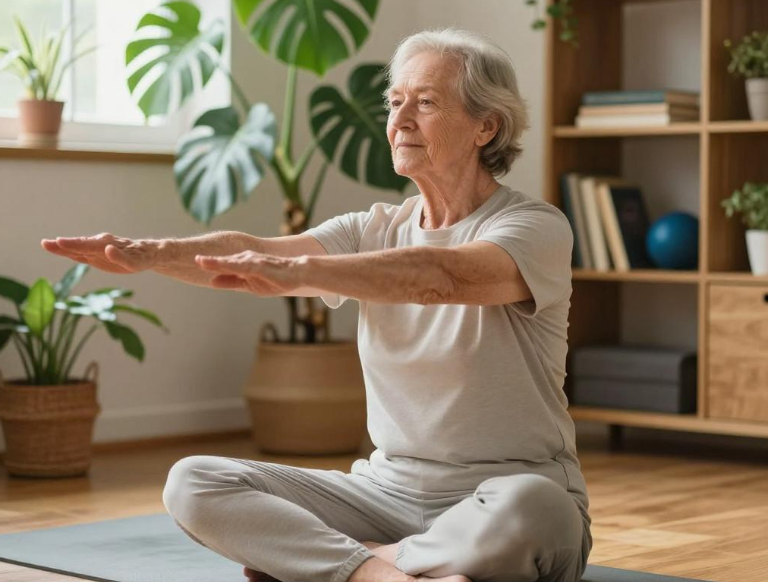
Yoga and Pilates are two of the most popular practices for enhancing flexibility. While yoga focuses on postures that stretch and strengthen the body, Pilates emphasizes core stability and controlled movement. Both disciplines offer a unique blend of physical and mental benefits, making them ideal for individuals seeking a balanced approach to fitness.
Yoga, in particular, has been shown to improve not only flexibility but also posture, balance, and stress management. A typical yoga session might include poses like downward dog, forward fold, or pigeon, each designed to target different muscle groups. Pilates, on the other hand, uses equipment such as mats and resistance bands to build strength while maintaining joint mobility.
Foam Rolling and Myofascial Release: Tools for Recovery
Beyond traditional stretching, tools like foam rollers have become essential for many people looking to maintain flexibility. Foam rolling targets the fascia—the connective tissue surrounding muscles—to release knots and improve circulation. This practice, known as myofascial release, can significantly reduce stiffness and enhance recovery after intense workouts.
Regular use of a foam roller can help prevent overuse injuries and keep muscles supple. It’s particularly useful for athletes or individuals who spend long hours sitting or standing. Combining foam rolling with stretching can lead to more sustainable gains in flexibility over time.
Incorporating Flexibility into Your Routine
The key to success lies in consistency and variety. Rather than sticking to one method, mixing dynamic stretches, static holds, PNF techniques, and complementary practices like yoga or Pilates can yield the best results. Additionally, listening to your body is crucial—overstretching or pushing too hard can lead to injury.
Consider setting aside 10–15 minutes each day for flexibility work, whether it’s a morning routine or a post-workout cooldown. Over time, this habit will pay dividends in terms of mobility, comfort, and overall physical performance.
Final Thoughts
Flexibility is not a one-size-fits-all concept. It requires a personalized approach, tailored to individual needs and goals. By exploring the wide array of training methods available, you can unlock new levels of movement and well-being. Whether you're aiming to improve athletic performance, recover from an injury, or simply move with greater ease, the path to enhanced flexibility is both accessible and rewarding. With the right tools and mindset, anyone can embark on a journey toward a more flexible, resilient body.
Disclaimer:
1. This article is sourced from the Internet. All content represents the author's personal views only and does not reflect the stance of this website. The author shall be solely responsible for the content.
2. Part of the content on this website is compiled from the Internet. This website shall not be liable for any civil disputes, administrative penalties, or other losses arising from improper reprinting or citation.
3. If there is any infringing content or inappropriate material, please contact us to remove it immediately. Contact us at:
