
The Power of Hip and Leg Exercises in Strength Training
Strength training is more than just lifting weights—it's about building functional strength that translates into everyday life. Among the most effective movements in any well-rounded program are those targeting the hips and legs, which form the foundation of physical power and stability. Whether you're an athlete looking to enhance performance or someone aiming for better posture and mobility, mastering these exercises can make a significant difference.
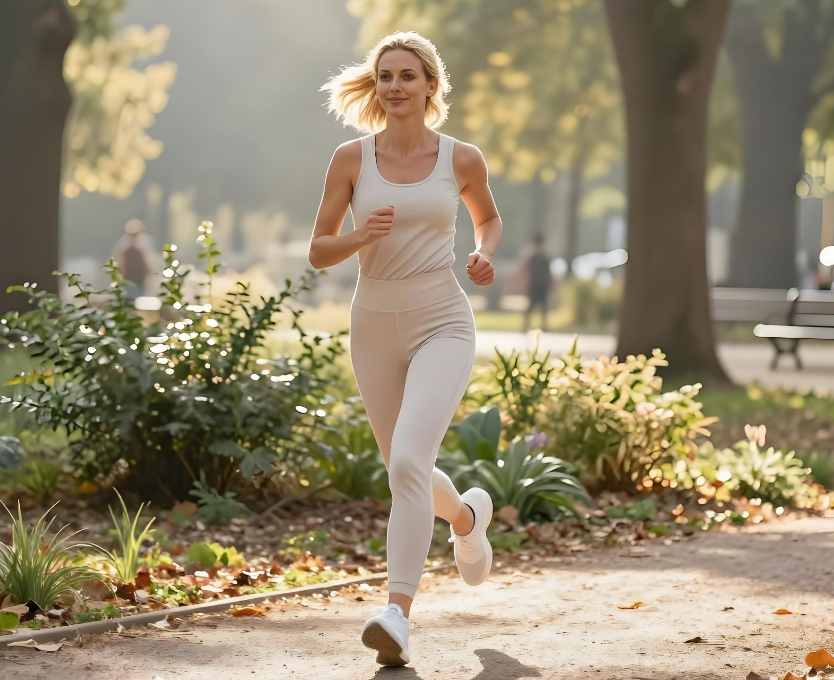
The Core of Functional Fitness
The hip and leg muscles are among the largest and strongest in the human body, making them essential for activities ranging from walking to sprinting. When properly engaged, they contribute to core stability, balance, and overall movement efficiency. A well-designed strength training routine that emphasizes these areas not only builds muscle but also improves joint health, reduces injury risk, and enhances athletic performance. Think of the hips and legs as the engine of your body—without a strong engine, the rest of the system can't function at its best.
Key Movements That Build Power
Several compound exercises stand out for their ability to engage the glutes, hamstrings, quads, and lower back simultaneously. The squat, for instance, is a fundamental movement that challenges multiple muscle groups while improving flexibility and coordination. Variations like the goblet squat or barbell back squat allow for progressive overload, making it adaptable for all fitness levels. Similarly, the deadlift is often referred to as the king of all exercises due to its comprehensive engagement of the posterior chain, including the hamstrings, glutes, and lower back. These movements are not just about size—they’re about creating a resilient, powerful body.

Beyond the Basics: Advanced Techniques
For those seeking to push further, incorporating advanced techniques such as Bulgarian split squats, Romanian deadlifts, or hip thrusts can add depth and variety to a training regimen. The Bulgarian split squat, for example, isolates each leg individually, promoting symmetry and addressing imbalances. Meanwhile, the hip thrust is a highly effective exercise for building gluteal strength and definition, often used by athletes and bodybuilders alike. These movements require attention to form and control, but the payoff in terms of strength and aesthetics is substantial.
Real-World Applications and Benefits
The benefits of focusing on hip and leg strength extend beyond the gym. Improved lower-body power can enhance sports performance, whether you're a runner, a climber, or a martial artist. In daily life, stronger hips and legs lead to better posture, reduced lower-back pain, and greater ease in tasks like climbing stairs or carrying heavy objects. For older adults, maintaining this strength can mean the difference between independence and assistance, highlighting the long-term value of these exercises.
A Holistic Approach to Training
While isolated exercises like leg curls or calf raises have their place, they should complement rather than replace compound movements. A balanced approach that includes both targeted and full-body exercises ensures that the muscles develop evenly and functionally. It’s also important to consider recovery, nutrition, and proper form—these factors are just as crucial as the exercises themselves. Consistency, patience, and a willingness to adapt are key to long-term success.
Conclusion
In the world of strength training, few areas are as critical as the hips and legs. These muscles serve as the cornerstone of movement, stability, and power. By prioritizing exercises that target these regions, individuals can unlock new levels of strength, improve their quality of life, and achieve their fitness goals with greater efficiency. Whether you're just starting out or refining your routine, never underestimate the impact of a strong lower body.
Disclaimer:
1. This article is sourced from the Internet. All content represents the author's personal views only and does not reflect the stance of this website. The author shall be solely responsible for the content.
2. Part of the content on this website is compiled from the Internet. This website shall not be liable for any civil disputes, administrative penalties, or other losses arising from improper reprinting or citation.
3. If there is any infringing content or inappropriate material, please contact us to remove it immediately. Contact us at:
