
The Various Methods for Recovering from Sports Injuries
Recovery from sports injuries is a multifaceted process that requires careful planning, professional guidance, and a personalized approach. Whether it's a minor sprain or a more severe muscle tear, the right strategies can significantly influence the speed and quality of recovery. The goal is not only to heal the physical damage but also to restore function, prevent re-injury, and ensure long-term well-being.
Understanding the Nature of Sports Injuries
Sports injuries come in many forms, each with its own set of challenges. A sprained ankle might seem straightforward, yet it can lead to chronic instability if not properly addressed. A torn ligament, on the other hand, often requires surgical intervention followed by a structured rehabilitation plan. Understanding the type and severity of the injury is crucial in determining the most effective recovery methods. For instance, acute injuries like fractures typically demand immediate medical attention, while overuse injuries such as tendinitis may benefit more from rest and gradual return to activity.
Rest and Recovery: The Foundation of Healing
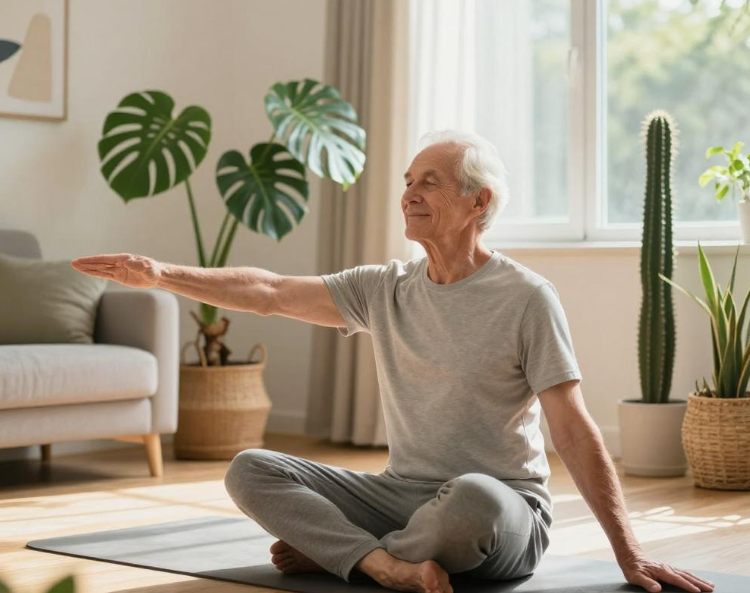
One of the most fundamental yet often underestimated aspects of recovery is rest. Giving the body time to heal is essential, especially after an injury that has caused tissue damage. However, rest does not always mean complete inactivity. In some cases, controlled movement and low-impact exercises can actually promote healing by improving circulation and preventing stiffness. The key is to find the right balance—too much activity too soon can delay recovery, while too little can lead to deconditioning and muscle atrophy.
Physical Therapy: A Structured Path to Regaining Function
Physical therapy plays a central role in the recovery process, particularly for more complex injuries. A licensed therapist can design a tailored program that includes strengthening exercises, flexibility training, and functional movements. For example, someone recovering from a knee injury might start with simple range-of-motion exercises before progressing to weight-bearing activities. This step-by-step approach ensures that the body adapts gradually and safely. Moreover, physical therapy often incorporates manual techniques, such as massage or joint mobilization, which can help reduce pain and improve mobility.

Medical Interventions: When Professional Care Is Needed
In some cases, medical interventions are necessary to facilitate recovery. This could involve procedures such as corticosteroid injections for inflammation, regenerative therapies like platelet-rich plasma (PRP) injections, or even surgery for more severe damage. These treatments are not meant to replace traditional recovery methods but to complement them. For instance, after surgery, a patient might need both physical therapy and medication to manage pain and swelling effectively.
Nutrition and Lifestyle Adjustments: Fueling the Body for Healing
Nutrition is another critical component of recovery. The body needs adequate protein, vitamins, and minerals to repair damaged tissues. Hydration is equally important, as it supports metabolic processes and helps flush out toxins. Additionally, lifestyle factors such as sleep, stress management, and avoiding harmful habits like smoking can all impact the healing process. For example, poor sleep can impair the body’s ability to recover, while chronic stress may slow down the immune response.
Psychological Support: The Mind-Body Connection
Recovery is not just a physical journey—it also involves mental and emotional resilience. Injuries can be frustrating, and the road to recovery may feel long and uncertain. Psychological support, whether through counseling, mindfulness practices, or peer groups, can help individuals stay motivated and maintain a positive outlook. A strong mindset can enhance adherence to treatment plans and improve overall outcomes.
Gradual Return to Activity: Avoiding Re-Injury
Once the initial healing phase is complete, the focus shifts to returning to sport or daily activities. This should be done gradually, with close monitoring of symptoms and performance. Rushing back can lead to setbacks, so it’s important to follow a structured progression. Athletes often work with coaches or trainers to reintroduce sport-specific movements and build up intensity over time. This phased approach helps ensure that the body is fully prepared for the demands of its previous level of activity.
Conclusion: A Holistic Approach Ensures Better Outcomes
In summary, the recovery from sports injuries is a dynamic and individualized process. It involves a combination of rest, medical care, physical therapy, nutrition, psychological support, and a gradual return to activity. While there is no one-size-fits-all solution, understanding the various methods available allows individuals to make informed decisions about their recovery. By embracing a holistic approach, athletes and active individuals can not only heal but also emerge stronger and more resilient.
Disclaimer:
1. This article is sourced from the Internet. All content represents the author's personal views only and does not reflect the stance of this website. The author shall be solely responsible for the content.
2. Part of the content on this website is compiled from the Internet. This website shall not be liable for any civil disputes, administrative penalties, or other losses arising from improper reprinting or citation.
3. If there is any infringing content or inappropriate material, please contact us to remove it immediately. Contact us at:
