
Basic Motor Skills and Specialized Sport Skills
The distinction between basic motor skills and specialized sport skills is fundamental to understanding human movement development, particularly in the context of physical education, sports training, and rehabilitation. While both are essential components of motor proficiency, they serve different purposes and require distinct approaches to mastery.
Understanding the Foundations: Basic Motor Skills
At the heart of every athlete’s journey lies a set of foundational movements known as basic motor skills. These include actions such as running, jumping, throwing, catching, balancing, and twisting—movements that form the building blocks for more complex activities. Think of them as the alphabet of physical coordination; without a solid grasp of these fundamentals, it becomes challenging to build more sophisticated abilities.
For instance, a young child learning to ride a bicycle first needs to develop balance and leg strength through simpler exercises like walking on a line or hopping on one foot. These early experiences lay the groundwork for the dynamic control required in cycling. Similarly, in team sports, the ability to catch a ball or pass it effectively often begins with basic hand-eye coordination drills.
These skills are not just about physical capability; they also play a crucial role in cognitive and social development. The process of mastering basic motor skills involves problem-solving, spatial awareness, and decision-making—skills that transfer across various domains of life.

From Basics to Breakthroughs: Specialized Sport Skills
Once the foundation of basic motor skills is established, athletes begin to refine and specialize their movements to meet the demands of specific sports. This transition marks the shift from general physical competence to tailored expertise. For example, a soccer player might focus on dribbling, shooting, and tactical positioning, while a gymnast hones in on precise body control, flexibility, and timing.
Specialized sport skills are often highly technical and require years of focused practice. They are not simply about doing something faster or stronger but about doing it with greater precision, efficiency, and adaptability. A basketball player, for instance, doesn’t just need to shoot a ball—it must be done with proper form, under pressure, and in varying conditions.
This stage of development is where coaches and trainers play a pivotal role. They design structured programs that gradually introduce complexity, ensuring that athletes can handle the increasing demands of their chosen sport. It’s a delicate balance between pushing boundaries and maintaining safety, especially when dealing with high-impact or high-risk activities.
The Interplay Between the Two
While basic motor skills and specialized sport skills are distinct, they are deeply interconnected. One cannot exist effectively without the other. A strong base of fundamental movements enhances an athlete’s ability to learn and perform specialized skills more efficiently. Conversely, engaging in specialized sports can further reinforce and refine basic motor abilities.
Consider a swimmer who has developed excellent core strength and body awareness through basic motor training. These attributes directly contribute to better stroke mechanics and endurance in the water. Likewise, a dancer who excels in controlled jumps and turns may find that their overall physical literacy improves, making them more versatile in other physical pursuits.
This synergy highlights the importance of a holistic approach to physical development. Whether in schools, clubs, or professional settings, integrating both types of skills ensures a well-rounded and sustainable progression.
Real-World Applications and Implications
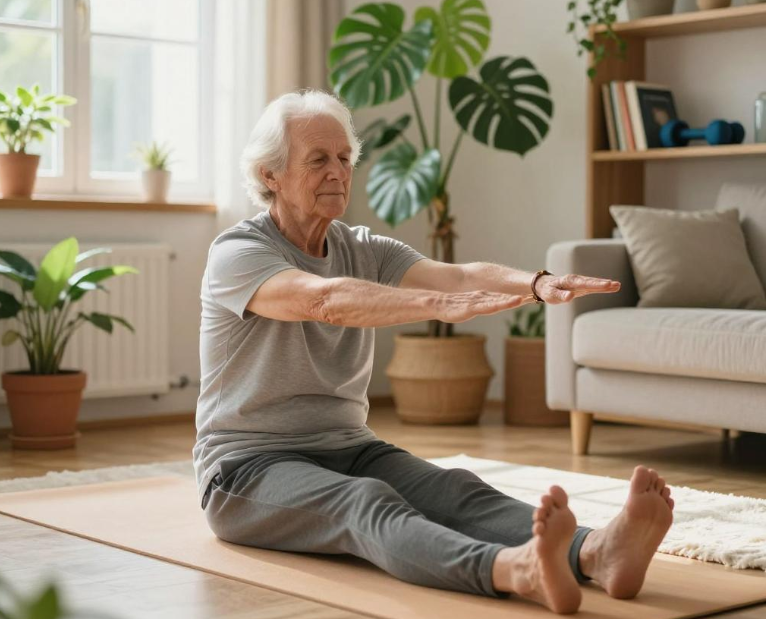
In practical terms, this distinction has significant implications for educators, coaches, and individuals seeking to improve their physical capabilities. For children, early exposure to a variety of basic motor activities fosters healthy development and reduces the risk of injury later on. For adults, recognizing the value of foundational skills can help prevent plateaus and stagnation in fitness or sport performance.
Moreover, in rehabilitation contexts, understanding the difference between basic and specialized skills allows for more targeted recovery strategies. A patient recovering from a knee injury, for example, may need to rebuild basic mobility before progressing to sport-specific conditioning.
Conclusion
In summary, basic motor skills and specialized sport skills represent two critical phases in the evolution of human movement. While the former provides the essential tools for physical development, the latter enables the pursuit of excellence in specific athletic domains. Together, they form a continuum that supports lifelong physical engagement, health, and performance. Recognizing and nurturing both aspects ensures that individuals can move confidently, skillfully, and purposefully throughout their lives.
Disclaimer:
1. This article is sourced from the Internet. All content represents the author's personal views only and does not reflect the stance of this website. The author shall be solely responsible for the content.
2. Part of the content on this website is compiled from the Internet. This website shall not be liable for any civil disputes, administrative penalties, or other losses arising from improper reprinting or citation.
3. If there is any infringing content or inappropriate material, please contact us to remove it immediately. Contact us at:
