
Basic Methods of Flexibility Training for Men
Flexibility training is an essential component of a well-rounded fitness regimen, particularly for men who often prioritize strength and power over mobility. While it may not always be the first focus in a workout routine, incorporating flexibility exercises can significantly enhance physical performance, reduce injury risk, and improve overall body function. Whether you're an athlete, a gym enthusiast, or someone looking to maintain long-term physical health, understanding the fundamental methods of flexibility training is crucial.
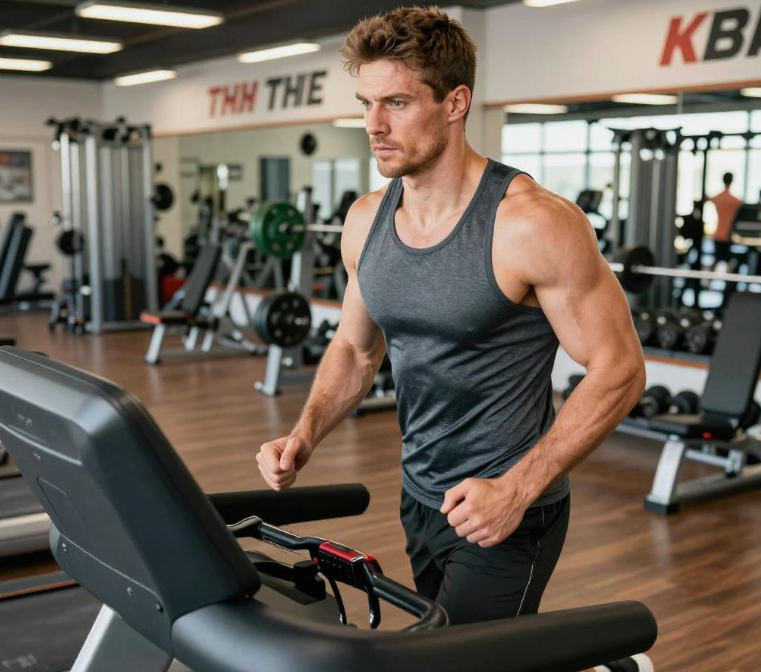
Understanding the Importance of Flexibility
Flexibility refers to the range of motion around a joint, and it plays a vital role in movement efficiency. For men, who frequently engage in activities that demand explosive power—such as weightlifting, running, or sports—maintaining good flexibility ensures that muscles and joints operate at their optimal capacity. Think of flexibility as the foundation of your physical capabilities; without it, even the strongest muscles may struggle to perform effectively. A lack of flexibility can lead to imbalances, poor posture, and increased susceptibility to injuries, especially during high-intensity movements.
Dynamic vs. Static Stretching: Choosing the Right Approach
When it comes to flexibility training, two primary methods stand out: dynamic stretching and static stretching. Each has its own purpose and ideal timing within a workout. Dynamic stretching involves controlled, repetitive movements that mimic the activity you're about to perform. This type of stretching is best done before a workout or athletic event, as it helps warm up the muscles and increase blood flow. For example, leg swings, arm circles, or walking lunges are excellent dynamic stretches that prepare the body for more intense activity.
On the other hand, static stretching involves holding a stretch for a period of time—usually between 15 to 30 seconds—without movement. This method is most effective after a workout when the muscles are already warmed up. It helps to lengthen the muscles and improve overall flexibility. A common example is the hamstring stretch, where you sit on the floor with one leg extended and reach toward your toes. While static stretching is beneficial, it's important to avoid overdoing it before exercise, as it can temporarily reduce muscle strength and power.

Incorporating Mobility Drills for Functional Improvement
Beyond traditional stretching, mobility drills offer a more functional approach to flexibility training. These exercises focus on improving joint range of motion while also enhancing neuromuscular control. Unlike passive stretching, mobility work often involves active participation, which helps build strength alongside flexibility. For instance, using a foam roller to release tight muscles or performing hip openers like the pigeon pose can help address specific areas of stiffness. These drills are particularly useful for men who spend long hours sitting or have sedentary lifestyles, as they counteract the negative effects of prolonged inactivity.
The Role of Consistency and Patience
One of the most overlooked aspects of flexibility training is consistency. Unlike strength training, which often shows quick results, flexibility improvements take time and regular practice. It’s not uncommon for men to feel discouraged if they don’t see immediate changes, but this is part of the process. Flexibility is a cumulative benefit that requires daily attention. Even short, focused sessions—such as 10 minutes of stretching each day—can yield significant long-term gains. The key is to make flexibility a non-negotiable part of your routine, just like any other form of exercise.
Integrating Flexibility into Daily Life
Flexibility training doesn’t have to be confined to the gym or a dedicated session. Simple habits can be incorporated into everyday life to maintain and improve mobility. For example, taking a few minutes to stretch after waking up, or doing a quick mobility routine before sitting down for long periods, can make a big difference. Additionally, yoga and Pilates are excellent practices that combine flexibility with core strength and mental focus. Many men find these disciplines not only beneficial for their physical health but also for stress relief and overall well-being.
Conclusion
In summary, flexibility training is a critical yet often underappreciated aspect of male fitness. By understanding the differences between dynamic and static stretching, integrating mobility drills, and committing to consistent practice, men can unlock greater physical potential. Flexibility isn’t just about being able to touch your toes—it’s about moving with ease, power, and control. Whether you’re aiming to improve athletic performance or simply live a healthier, more active life, making flexibility a priority can lead to lasting benefits.
Disclaimer:
1. This article is sourced from the Internet. All content represents the author's personal views only and does not reflect the stance of this website. The author shall be solely responsible for the content.
2. Part of the content on this website is compiled from the Internet. This website shall not be liable for any civil disputes, administrative penalties, or other losses arising from improper reprinting or citation.
3. If there is any infringing content or inappropriate material, please contact us to remove it immediately. Contact us at:
