
How Much Fat Does Aerobic Exercise Burn?
Aerobic exercise is widely recognized as one of the most effective ways to burn fat and improve overall health. While it's a common belief that cardio burns a significant amount of fat, the actual quantity varies depending on several factors, including intensity, duration, and individual physiology.
The Science Behind Fat Burning During Aerobic Exercise
When you engage in aerobic activity—such as running, cycling, or swimming—the body primarily relies on oxygen to generate energy. This process, known as aerobic metabolism, allows for the sustained use of both carbohydrates and fats as fuel sources. However, the proportion of fat burned versus carbohydrate burned shifts based on the intensity of the workout.
At lower intensities, such as a brisk walk, the body tends to draw more from fat stores. As the intensity increases, like during a sprint or high-intensity interval training (HIIT), the reliance on carbohydrates becomes more pronounced. Despite this shift, the total amount of fat burned over the course of a session can still be substantial, especially when the duration is extended.
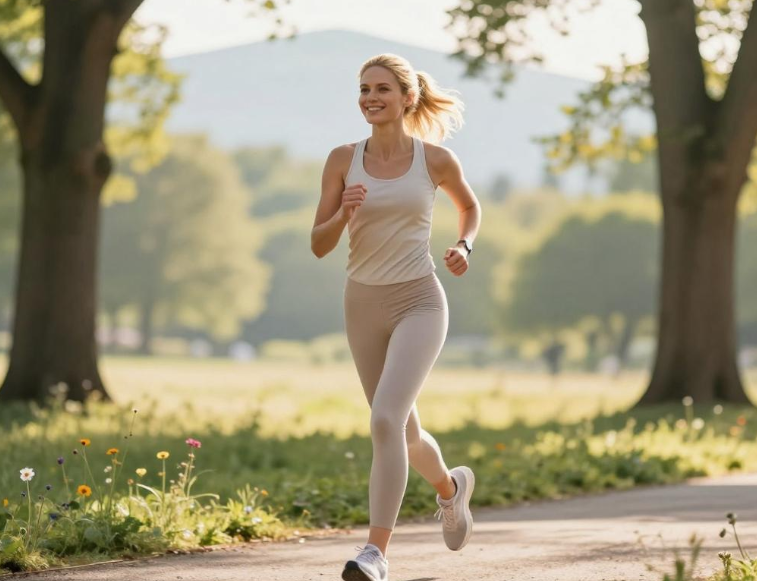
Factors Influencing Fat Oxidation
Several key variables influence how much fat is burned during aerobic exercise. One of the most critical is the intensity level. Research indicates that moderate-intensity exercise, typically around 60–70% of maximum heart rate, offers an optimal balance between fat oxidation and overall calorie expenditure. This range is often referred to as the "fat-burning zone," though it’s important to note that higher-intensity workouts may lead to greater total calorie burn, which can also contribute to long-term fat loss.
Another factor is duration. A longer session, even at a lower intensity, can result in more total fat being burned than a shorter, more intense workout. For example, a 60-minute jog might burn more fat overall compared to a 20-minute HIIT session, even if the latter burns a higher percentage of fat per minute.
Individual Variability and Metabolic Adaptations
Each person’s body responds differently to aerobic exercise due to genetic, hormonal, and metabolic differences. Some individuals may have a higher capacity for fat oxidation, while others may rely more heavily on carbohydrates. Additionally, training status plays a role: trained athletes often oxidize more fat during exercise compared to sedentary individuals, thanks to improved mitochondrial function and enzyme activity.
It's also worth noting that the post-exercise period, known as excess post-exercise oxygen consumption (EPOC), can lead to continued fat burning after the workout has ended. This phenomenon, sometimes called the "afterburn effect," means that the total fat burned throughout the day may be greater than what is immediately visible during the exercise itself.

Practical Implications and Recommendations
For those looking to maximize fat loss through aerobic exercise, a combination of moderate- and high-intensity sessions may yield the best results. Incorporating variety into your routine can help prevent plateaus and keep the body adapting. Moreover, pairing aerobic exercise with strength training can enhance metabolic rate and promote lean muscle mass, which further supports fat loss over time.
In real-world scenarios, consider someone who cycles for 45 minutes at a steady pace versus another who alternates between sprints and rest periods. Both approaches can be effective, but they target different aspects of fitness and fat burning. The key is to find a sustainable, enjoyable form of aerobic activity that aligns with personal goals and lifestyle.
Conclusion
While aerobic exercise does burn a measurable amount of fat, the exact quantity depends on multiple factors, including intensity, duration, and individual physiology. Understanding these dynamics can help tailor workouts for optimal results. Whether you're aiming for weight loss, improved endurance, or better overall health, incorporating regular aerobic activity remains a cornerstone of any well-rounded fitness plan.
Disclaimer:
1. This article is sourced from the Internet. All content represents the author's personal views only and does not reflect the stance of this website. The author shall be solely responsible for the content.
2. Part of the content on this website is compiled from the Internet. This website shall not be liable for any civil disputes, administrative penalties, or other losses arising from improper reprinting or citation.
3. If there is any infringing content or inappropriate material, please contact us to remove it immediately. Contact us at:
