
What Are the Different Types of Flexibility Training Methods?
Flexibility training is a cornerstone of physical fitness, enhancing mobility, reducing injury risk, and improving overall body function. Whether you're an athlete, a yoga enthusiast, or someone simply looking to maintain a healthy lifestyle, understanding the various methods available can help tailor your routine effectively. From dynamic stretches to advanced techniques like PNF, the landscape of flexibility training is diverse and adaptable to individual needs.
Dynamic Stretching: The Foundation of Warm-Up Routines
Dynamic stretching involves controlled movements that take the body through a full range of motion, often mimicking the actions of the activity you're about to perform. Unlike static stretching, which holds a position for an extended period, dynamic stretching is active and functional. For instance, leg swings or arm circles are common examples used by athletes before a workout. This method not only prepares the muscles and joints but also increases blood flow and heart rate, making it an essential component of any warm-up sequence.

Static Stretching: Targeted Lengthening for Long-Term Gains
Static stretching is the most widely recognized form of flexibility training, involving holding a stretch in a comfortable position for 15 to 30 seconds. It is particularly effective for increasing muscle length and improving joint range of motion over time. Many people use this technique after a workout to promote recovery and relaxation. While some debate its effectiveness as a pre-exercise practice, it remains a staple in many fitness programs due to its simplicity and accessibility.
Proprioceptive Neuromuscular Facilitation (PNF): A Powerful Technique for Rapid Improvement
PNF is a more advanced method that combines both stretching and contracting muscles to enhance flexibility. One popular PNF technique is the contract-relax method, where the muscle is first contracted against resistance and then relaxed into a deeper stretch. This approach leverages the body's neuromuscular system to achieve greater gains in flexibility than traditional stretching alone. Often used by physiotherapists and elite athletes, PNF requires a partner or trainer to assist with the resistance and positioning, making it more structured and targeted.
Yoga and Pilates: Holistic Approaches to Flexibility
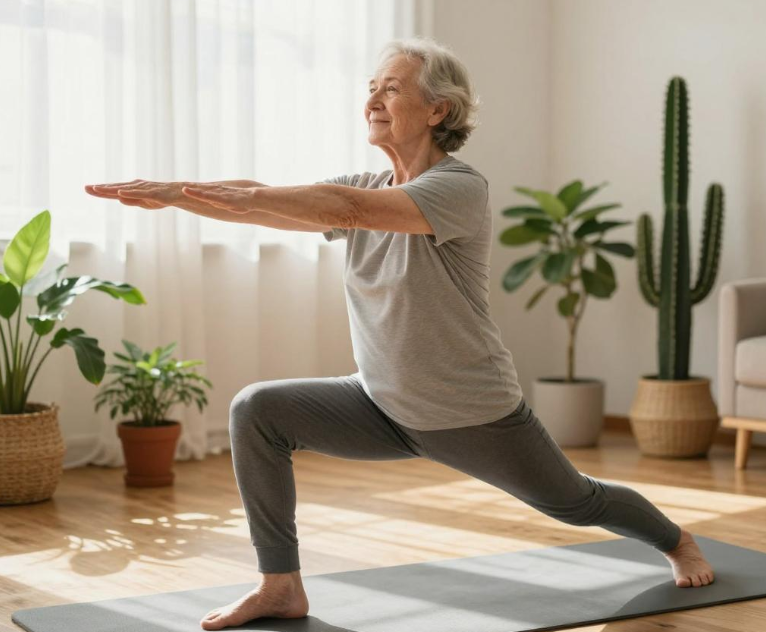
Yoga and Pilates offer integrated approaches to flexibility, combining movement, breath control, and mental focus. Yoga, with its emphasis on postures and alignment, helps improve both physical and mental flexibility. Pilates, on the other hand, focuses on core strength and controlled movements, which indirectly support improved flexibility. These practices are not only beneficial for physical health but also contribute to stress reduction and better posture, making them appealing to a wide audience.
Foam Rolling and Self-Myofascial Release: Addressing Tension and Tightness
While not a traditional stretching method, foam rolling and self-myofascial release have gained popularity as tools for improving flexibility by targeting tight muscles and fascia. By applying pressure to specific areas, these techniques help break up adhesions and reduce muscle stiffness. They are especially useful for individuals who spend long hours sitting or engaging in repetitive motions, as they can restore mobility and prevent chronic tightness.
Functional Flexibility: Bridging Movement and Purpose
Functional flexibility goes beyond isolated stretches and focuses on how well the body can move in real-life scenarios. This type of training incorporates multi-joint movements and dynamic patterns that mimic daily activities or sports-specific actions. For example, a runner might work on hip mobility and ankle flexibility to improve stride efficiency. Functional flexibility emphasizes practicality, ensuring that improvements translate directly to performance and everyday movement.
Conclusion: Choosing the Right Approach for Your Goals
The variety of flexibility training methods reflects the complexity of human movement and the diverse needs of individuals. Whether you're aiming for injury prevention, enhanced athletic performance, or simply better daily mobility, there is a technique that can suit your goals. Understanding the strengths and applications of each method allows for a more informed and effective approach to flexibility development. As with any fitness practice, consistency and gradual progression are key to achieving lasting results.
Disclaimer:
1. This article is sourced from the Internet. All content represents the author's personal views only and does not reflect the stance of this website. The author shall be solely responsible for the content.
2. Part of the content on this website is compiled from the Internet. This website shall not be liable for any civil disputes, administrative penalties, or other losses arising from improper reprinting or citation.
3. If there is any infringing content or inappropriate material, please contact us to remove it immediately. Contact us at:
