
Flexibility Training Guide: The Complete Edition
In today’s fast-paced world, flexibility training has become an essential component of any well-rounded fitness regimen. Whether you're an athlete looking to enhance performance or a professional seeking to maintain physical health, understanding and implementing effective flexibility techniques can make a significant difference in your overall well-being.
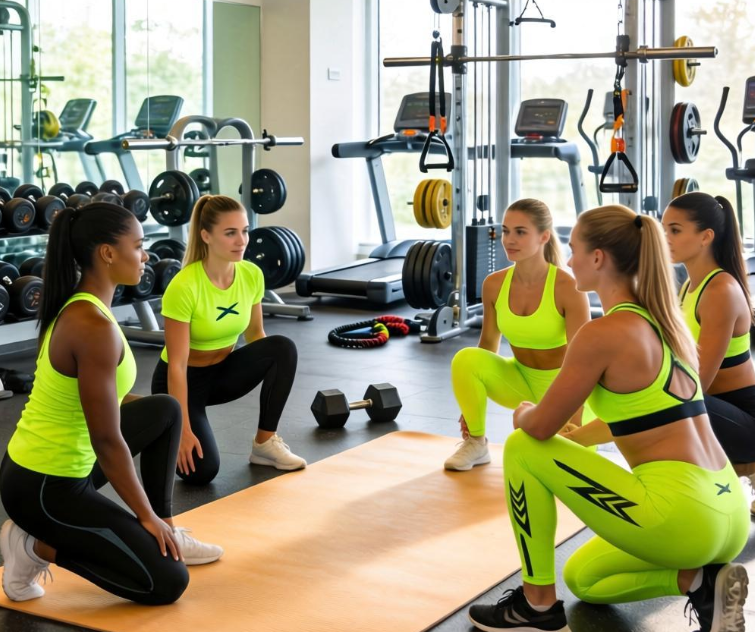
Understanding the Importance of Flexibility
Flexibility refers to the range of motion available at a joint. It is not just about being able to touch your toes; it's about maintaining mobility, preventing injuries, and improving posture. A lack of flexibility can lead to muscle imbalances, reduced movement efficiency, and increased risk of injury. Think of your muscles as elastic bands—when they are stretched properly, they function optimally. However, if they remain tight and unresponsive, their ability to support your body diminishes over time.
Key Principles of Effective Flexibility Training
To achieve lasting results, flexibility training should be approached with consistency and mindfulness. It is not a one-time event but a continuous process that requires patience and dedication. One of the most effective ways to improve flexibility is through dynamic stretching before workouts and static stretching after. Dynamic stretches involve controlled movements that mimic the activity you're about to perform, while static stretches involve holding a position for an extended period to lengthen the muscles.
For example, a runner might benefit from leg swings and high knees before a run, followed by hamstring and quadriceps stretches afterward. This combination helps prepare the body for activity and promotes recovery.

Common Mistakes to Avoid
Many people rush through their flexibility routines, leading to ineffective outcomes or even injury. One common mistake is pushing too hard too quickly. Flexibility is a gradual process, and forcing a stretch beyond your comfort zone can cause strain or tears. Another pitfall is neglecting warm-up before stretching. Cold muscles are more prone to injury, so always ensure you’re adequately warmed up before attempting any form of stretching.
Additionally, some individuals focus only on the most accessible areas, such as the hamstrings, while ignoring other key muscle groups. A balanced approach that targets all major muscle groups ensures comprehensive mobility and reduces the risk of future complications.
Integrating Flexibility into Daily Life
Beyond structured workouts, incorporating flexibility into daily activities can yield long-term benefits. Simple habits like taking short breaks to stretch during long periods of sitting, using a foam roller to release muscle tension, or practicing yoga can significantly enhance your overall flexibility. These practices not only improve physical health but also promote mental clarity and stress relief.
For instance, a busy office worker who spends hours hunched over a desk may find that regular neck and shoulder stretches can alleviate tension and improve posture. Similarly, a parent who constantly lifts and carries children can benefit from core and hip flexor stretches to maintain balance and prevent lower back pain.
Advanced Techniques and Tools
As you progress in your flexibility journey, you may explore more advanced techniques such as proprioceptive neuromuscular facilitation (PNF) or myofascial release. PNF involves alternating between stretching and contracting muscles to increase range of motion, while myofascial release focuses on breaking down adhesions in the fascia, the connective tissue surrounding muscles.
Tools like resistance bands, foam rollers, and massage balls can also aid in achieving deeper stretches and promoting muscle recovery. These tools allow for targeted pressure and can help identify and address specific areas of tightness.
Conclusion
Flexibility training is more than just a series of stretches—it is a vital practice that supports physical health, enhances performance, and improves quality of life. By understanding the principles, avoiding common mistakes, and integrating flexibility into daily routines, individuals can unlock their full potential and enjoy greater mobility and comfort in all aspects of life. Whether you are just starting out or looking to refine your technique, the journey toward improved flexibility is both rewarding and transformative.
Disclaimer:
1. This article is sourced from the Internet. All content represents the author's personal views only and does not reflect the stance of this website. The author shall be solely responsible for the content.
2. Part of the content on this website is compiled from the Internet. This website shall not be liable for any civil disputes, administrative penalties, or other losses arising from improper reprinting or citation.
3. If there is any infringing content or inappropriate material, please contact us to remove it immediately. Contact us at:
