
How Long Should a Strength Training Session Be?
A well-structured strength training session is crucial for achieving optimal results, but determining the ideal duration requires careful consideration of multiple factors. Research and practical experience suggest that the most effective sessions typically range between 45 to 75 minutes, depending on individual goals, fitness levels, and the complexity of the workout.
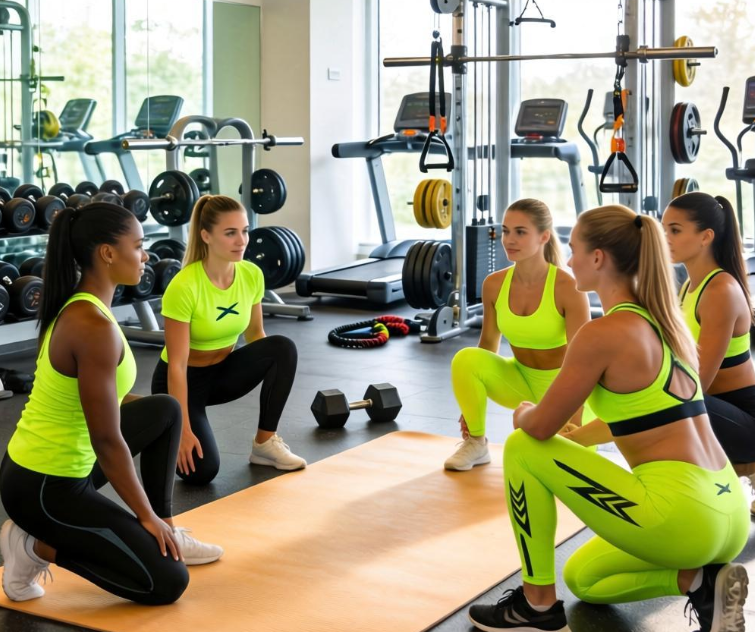
Understanding the Optimal Window
The sweet spot for most individuals lies between 45 and 75 minutes. This timeframe allows enough time to perform a comprehensive warm-up, execute targeted exercises with proper form, and incorporate sufficient rest periods without overextending. Going beyond this range can lead to diminishing returns, as fatigue may start to compromise technique and overall performance. On the flip side, sessions that are too short might not provide enough stimulus for meaningful muscle adaptation.
Consider the example of a beginner who starts with full-body workouts three times a week. A session lasting around 60 minutes gives them ample time to focus on compound movements like squats, deadlifts, and push-ups, while also allowing for adequate recovery between sets. For someone more advanced, a session might extend closer to 75 minutes if it includes specialized routines or accessory work aimed at specific muscle groups.
The Role of Intensity and Volume
Intensity and volume play a significant role in determining how long a session should be. High-intensity training, such as circuit training or supersets, can be completed in shorter durations because they maximize effort in a condensed timeframe. However, these types of workouts demand higher energy expenditure and may require longer recovery periods afterward.
Conversely, lower-intensity, higher-volume sessions—often used in hypertrophy-focused programs—may take longer to complete. These workouts emphasize endurance and muscle growth, which can involve more sets, repetitions, and varied exercises. In such cases, a session might stretch into the hour-and-a-half range, especially if it includes active recovery techniques like stretching or foam rolling.

Individual Differences Matter
No two people are the same, and this principle applies equally to strength training. Factors such as age, prior experience, and physical condition all influence how long a session should last. A seasoned athlete may thrive on a 90-minute session packed with complex lifts and strategic rest intervals, while a new trainee might find even 45 minutes challenging.
Moreover, personal preferences and lifestyle constraints should not be overlooked. Some individuals prefer shorter, more frequent sessions, while others prefer longer, less frequent ones. The key is to find a balance that aligns with both physiological needs and real-life demands.
Practical Tips for Structuring Your Sessions
To make the most of your time, start by outlining a clear plan before each session. This helps prevent unnecessary delays and keeps you focused. Prioritize compound movements early in the session when energy levels are highest, and save smaller, isolated exercises for later when fatigue sets in.
Incorporate active recovery between sets—such as light cardio or mobility work—to maintain blood flow and reduce the risk of injury. Also, pay attention to how your body feels throughout the session. If you notice signs of exhaustion or declining form, it may be time to wrap things up, even if you haven’t reached the planned duration.
Conclusion
There’s no one-size-fits-all answer to how long a strength training session should be, but the general guideline of 45 to 75 minutes offers a solid foundation for most individuals. By tailoring the length of your workouts to your unique needs, goals, and circumstances, you can maximize efficiency and effectiveness. Ultimately, consistency and quality matter more than the clock—so focus on making every minute count.
Disclaimer:
1. This article is sourced from the Internet. All content represents the author's personal views only and does not reflect the stance of this website. The author shall be solely responsible for the content.
2. Part of the content on this website is compiled from the Internet. This website shall not be liable for any civil disputes, administrative penalties, or other losses arising from improper reprinting or citation.
3. If there is any infringing content or inappropriate material, please contact us to remove it immediately. Contact us at:
