
The Smart Tree of Sports Injury Prevention and Rehabilitation
In the dynamic world of sports, where physical performance is both a goal and a risk, the integration of injury prevention and rehabilitation has become an essential component of athletic development. This article explores how a holistic approach—resembling a smart tree—can nurture resilience, promote recovery, and ensure long-term success for athletes at all levels.
A Foundation Rooted in Awareness and Education
At the core of any effective injury prevention strategy lies awareness. Athletes, coaches, and medical professionals must understand the mechanics of movement, the signs of overuse, and the importance of proper technique. Just as a tree’s roots anchor it to the ground, this foundational knowledge provides stability and direction. For instance, a runner who learns about the biomechanics of their gait can adjust their form to reduce stress on the knees and ankles, significantly lowering the risk of common injuries like patellofemoral pain syndrome or Achilles tendinitis.
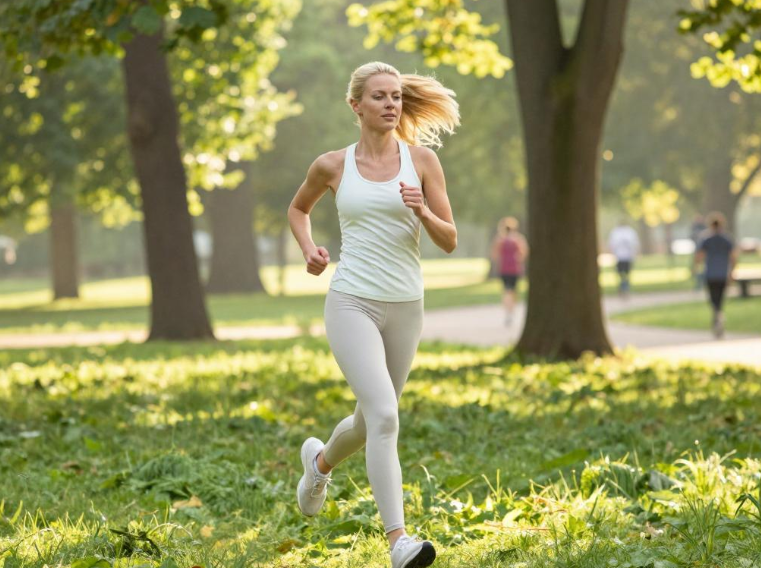
Branching Out: Tailored Training and Recovery Protocols
Once the foundation is solid, the next step is to develop a structured yet flexible training program that adapts to individual needs. Much like branches of a tree grow in response to sunlight and environment, training regimens should evolve based on an athlete’s progress, goals, and physiological feedback. A soccer player recovering from a hamstring strain, for example, might begin with low-impact mobility exercises before gradually reintroducing sport-specific drills. This staged progression not only accelerates healing but also prevents re-injury by ensuring the body is adequately prepared.
Nurturing Growth: The Role of Technology and Data
Modern technology has transformed how we monitor and manage sports injuries. Wearable devices, motion analysis systems, and biometric tracking tools offer real-time insights into an athlete’s condition. These innovations act as a guiding force, much like the sun that encourages a tree to reach toward growth. By analyzing data such as heart rate variability, muscle activation patterns, and movement efficiency, practitioners can make informed decisions about when to push limits and when to rest. This data-driven approach enhances precision and personalization, making rehabilitation more effective and efficient.

Fostering Resilience: Mental and Emotional Well-being
Physical health alone is not enough; mental and emotional well-being play a critical role in the recovery process. Injuries can be emotionally taxing, leading to frustration, anxiety, or even depression. Just as a tree relies on its surrounding ecosystem for support, athletes benefit from a strong network of psychological resources. Incorporating mindfulness practices, cognitive-behavioral techniques, and peer support can help athletes maintain motivation and confidence during recovery. A basketball player recovering from a shoulder injury, for instance, may find strength in visualization exercises and regular communication with a sports psychologist, reinforcing their determination to return stronger.
Harvesting the Fruits: Long-Term Benefits and Sustainable Performance
The ultimate goal of a comprehensive injury prevention and rehabilitation system is to foster sustainable performance. When athletes are equipped with the right tools, knowledge, and support, they are more likely to avoid recurring injuries, extend their careers, and achieve peak performance. This model, akin to a thriving tree, ensures that every part of the system works in harmony—roots, trunk, branches, and leaves—contributing to a resilient and productive whole. Coaches and medical teams who embrace this philosophy often see not only fewer injuries but also improved overall team performance and morale.
In conclusion, the journey of injury prevention and rehabilitation is not linear, nor is it one-size-fits-all. It requires adaptability, insight, and a deep understanding of the human body and mind. By adopting a smart, integrated approach—like a tree growing through seasons of challenge and renewal—athletes can cultivate lasting strength, resilience, and success.
Disclaimer:
1. This article is sourced from the Internet. All content represents the author's personal views only and does not reflect the stance of this website. The author shall be solely responsible for the content.
2. Part of the content on this website is compiled from the Internet. This website shall not be liable for any civil disputes, administrative penalties, or other losses arising from improper reprinting or citation.
3. If there is any infringing content or inappropriate material, please contact us to remove it immediately. Contact us at:
