
What Are the Methods of Flexibility Training?
Flexibility training is an essential component of any well-rounded fitness regimen, offering benefits that extend beyond mere physical performance. It enhances joint mobility, reduces the risk of injury, and contributes to overall musculoskeletal health. Whether you are a seasoned athlete or someone just beginning to explore movement, understanding the various methods of flexibility training can help you tailor your routine effectively.
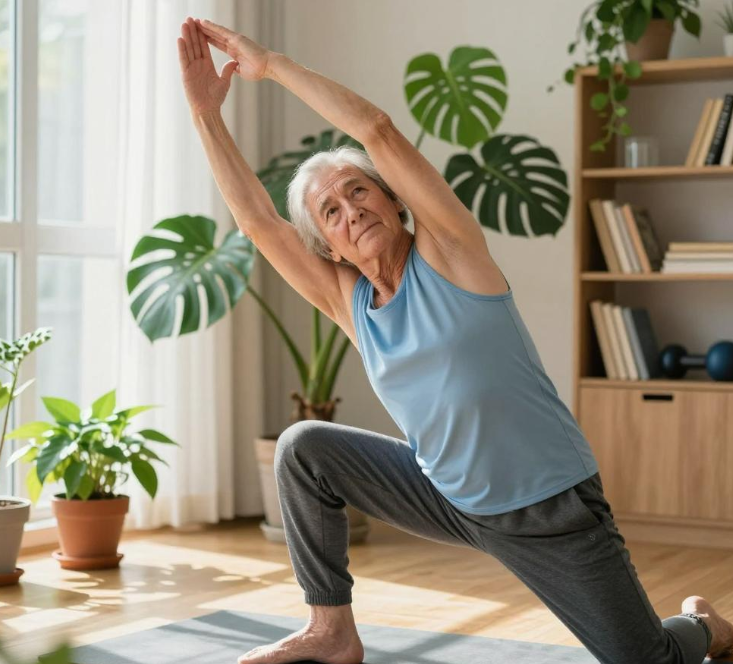
The Importance of Flexibility in Daily Life
Incorporating flexibility into daily routines might seem like an afterthought, but it plays a crucial role in maintaining functional movement patterns. Think of the human body as a complex machine—just as oil keeps machinery running smoothly, flexibility ensures that joints and muscles operate without unnecessary strain. A lack of flexibility can lead to poor posture, chronic pain, and limited range of motion, all of which can impact quality of life.
Dynamic vs. Static Stretching: A Dual Approach
One of the most common methods of flexibility training involves stretching, which can be broadly categorized into dynamic and static stretching. Dynamic stretching consists of controlled movements that mimic the activity you’re about to perform, such as leg swings or arm circles. These movements increase blood flow, warm up the muscles, and prepare the body for more intense activity. On the other hand, static stretching involves holding a stretch in a fixed position for an extended period, typically 15 to 30 seconds. This method is often used post-exercise to improve overall flexibility and reduce muscle tension.
While both approaches have their place, the choice between them depends on the context. For instance, athletes may benefit more from dynamic stretches before a workout, while yoga practitioners often rely on static stretching to deepen their practice.

Yoga: A Time-Tested Practice for Flexibility
Yoga has long been recognized as one of the most effective ways to enhance flexibility. Rooted in ancient traditions, it combines physical postures with breath control and meditation. Each pose challenges the body in different ways, targeting specific muscle groups while promoting balance and mind-body awareness. From simple forward folds to more advanced poses like the headstand, yoga offers a progressive path to greater flexibility.
Moreover, yoga is not just about physical postures—it also fosters mental clarity and emotional resilience. Practitioners often report improved focus and reduced stress, making it a holistic approach to wellness.
Pilates: Strength Meets Flexibility
Pilates is another discipline that integrates strength and flexibility, focusing on core stability and controlled movements. Developed by Joseph Pilates in the early 20th century, this method emphasizes proper alignment, breathing, and precision. Unlike traditional weightlifting, Pilates uses bodyweight and specialized equipment to engage deep muscles while improving flexibility.
A typical Pilates session might include exercises like the "hundred" or "roll-up," which require both strength and a degree of flexibility. Over time, regular practice can lead to increased body awareness and enhanced mobility, making it a valuable addition to any fitness routine.
Foam Rolling and Myofascial Release
In recent years, foam rolling has gained popularity as a tool for improving flexibility and alleviating muscle tightness. This technique, known as myofascial release, involves applying pressure to specific areas of the body using a foam roller or similar device. It helps break down adhesions in the fascia—the connective tissue surrounding muscles—and promotes better circulation.
Foam rolling is particularly useful for individuals who spend long hours sitting or engaging in repetitive motions. By incorporating this practice into a daily routine, one can maintain a more balanced and flexible musculoskeletal system.
The Role of Consistency and Patience
Flexibility is not something that can be achieved overnight. It requires consistent effort and patience. Just like building muscle strength, increasing flexibility demands regular practice over time. Some days may feel easier than others, but persistence is key. Setting realistic goals and tracking progress can help maintain motivation and ensure steady improvement.
It’s also important to listen to the body. Pushing too hard or forcing a stretch can lead to injury. Instead, focus on gradual, mindful progress, allowing the body to adapt naturally.
Conclusion
Flexibility training encompasses a variety of techniques, each with its own unique benefits and applications. Whether through yoga, Pilates, stretching, or myofascial release, the goal remains the same: to enhance mobility, prevent injury, and support overall well-being. By choosing the right methods and committing to a consistent practice, individuals can unlock new levels of physical freedom and vitality. Ultimately, flexibility is not just about how far you can stretch—it’s about how well you move through life.
Disclaimer:
1. This article is sourced from the Internet. All content represents the author's personal views only and does not reflect the stance of this website. The author shall be solely responsible for the content.
2. Part of the content on this website is compiled from the Internet. This website shall not be liable for any civil disputes, administrative penalties, or other losses arising from improper reprinting or citation.
3. If there is any infringing content or inappropriate material, please contact us to remove it immediately. Contact us at:
