
What Are the Contents and Requirements for Preventing Sports Injuries
Preventing sports injuries is a multifaceted endeavor that requires a combination of preparation, awareness, and consistent practice. While the goal is to minimize harm during physical activity, the strategies involved are not one-size-fits-all. They depend on the type of sport, individual fitness levels, and environmental conditions. However, there are universal principles that underpin effective injury prevention, making them essential knowledge for athletes, coaches, and anyone engaging in regular physical exercise.

Understanding the Core Principles of Injury Prevention
At its heart, injury prevention revolves around three key areas: proper preparation, mindful execution, and ongoing maintenance. Proper preparation includes warming up, stretching, and ensuring that the body is physically ready for the demands of the activity. Mindful execution means being aware of one's limits and making adjustments as needed, whether it’s slowing down, changing technique, or taking a break. Ongoing maintenance involves regular strength training, flexibility exercises, and listening to the body’s signals—something often overlooked but critically important.
For instance, a runner who ignores early signs of knee pain may end up with a more severe injury later. This highlights the importance of recognizing and addressing minor discomfort before it escalates. Similarly, a weightlifter who skips a cool-down session might experience muscle stiffness or cramping, which could affect performance and increase the risk of future injury.
The Role of Equipment and Environment
Another crucial factor in preventing sports injuries is the use of appropriate equipment and the condition of the environment in which the activity takes place. Wearing the right gear—such as supportive shoes, protective padding, or helmets—can significantly reduce the likelihood of certain types of injuries. For example, soccer players who wear well-fitted cleats have better traction and are less likely to suffer from ankle sprains.
Equally important is the environment. A gym with uneven flooring or a track with poor drainage can pose hidden risks. Coaches and facility managers should regularly inspect these spaces to ensure they meet safety standards. Even something as simple as keeping the playing area free of debris can prevent trips and falls, which are common causes of injury.
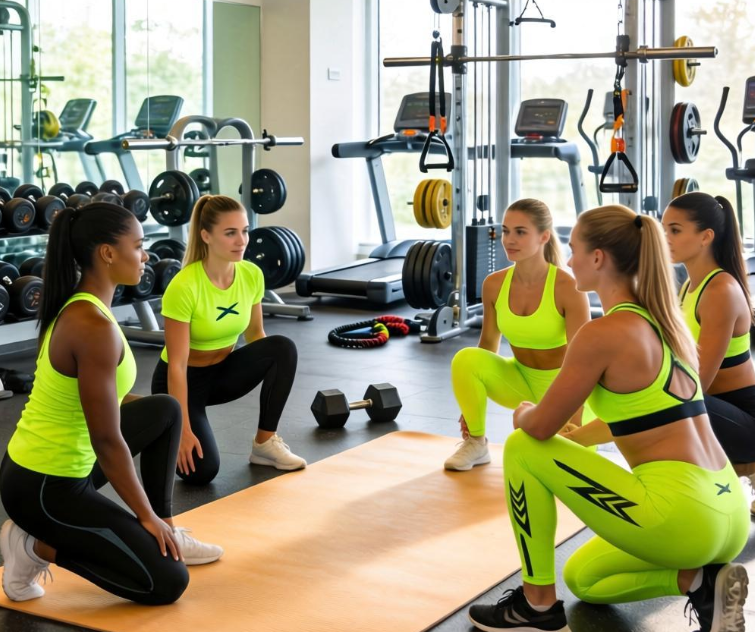
Training Techniques and Professional Guidance
Incorporating proper training techniques is another cornerstone of injury prevention. Many athletes push themselves too hard too quickly, leading to overuse injuries such as stress fractures or tendonitis. Gradual progression, adequate rest periods, and varied training routines help build resilience without overloading the body. For example, a swimmer who alternates between different strokes and intensities can avoid repetitive strain on specific muscles and joints.
Professional guidance plays a vital role here. Coaches, physiotherapists, and trainers bring expertise that can tailor programs to individual needs. Their insights can help identify potential weaknesses or imbalances that might lead to injury. A good coach, for instance, can spot an athlete’s improper form and correct it before it leads to chronic issues.
The Importance of Education and Awareness
Education is often the missing link in injury prevention. Athletes and their support networks must understand the risks associated with their activities and how to mitigate them. This includes knowing when to seek medical attention, understanding the difference between normal fatigue and warning signs of injury, and learning basic first aid.
Consider a scenario where a basketball player experiences sudden chest pain during a game. Without proper knowledge, they might continue playing, risking a serious cardiac event. In contrast, someone trained to recognize symptoms of a heart attack can act quickly, potentially saving a life.
Conclusion
Injury prevention in sports is not just about avoiding harm—it’s about fostering a sustainable, safe, and enjoyable approach to physical activity. It demands a blend of personal responsibility, professional guidance, and environmental awareness. By embracing these principles, athletes can extend their careers, improve performance, and enjoy the many benefits of an active lifestyle. Ultimately, the goal is not only to stay healthy but to thrive in the pursuit of athletic excellence.
Disclaimer:
1. This article is sourced from the Internet. All content represents the author's personal views only and does not reflect the stance of this website. The author shall be solely responsible for the content.
2. Part of the content on this website is compiled from the Internet. This website shall not be liable for any civil disputes, administrative penalties, or other losses arising from improper reprinting or citation.
3. If there is any infringing content or inappropriate material, please contact us to remove it immediately. Contact us at:
