
Is Posture Correction During Exercise Necessary?
The short answer is yes—posture correction during exercise is not only beneficial but often essential for long-term physical health, performance, and injury prevention. In a world where sedentary lifestyles and poor ergonomic habits are increasingly common, the importance of maintaining proper body alignment during physical activity cannot be overstated.
Understanding the Importance of Posture in Physical Activity
Posture is more than just standing tall—it’s about how the body aligns itself during movement, rest, and exercise. When someone engages in physical activity without proper posture, they risk placing undue stress on joints, muscles, and the spine. This can lead to chronic pain, reduced mobility, and even long-term musculoskeletal issues. For instance, a person who consistently slouches while lifting weights may develop shoulder instability or lower back strain over time.
Consider the case of a typical gym-goer who focuses solely on lifting heavier weights without attention to form. While they might see short-term gains in strength, the lack of proper alignment could eventually result in injuries that set them back months or even years. On the other hand, someone who prioritizes posture during their workout routine tends to experience better results with fewer setbacks.
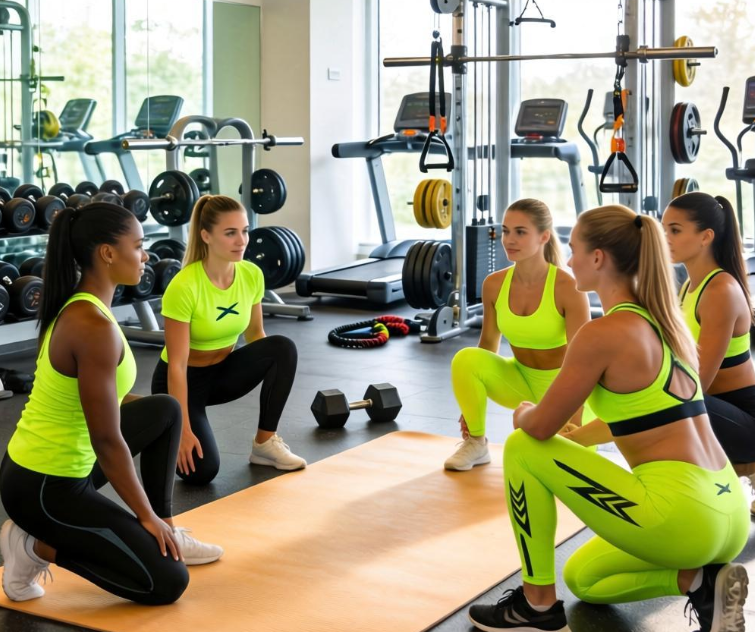
The Role of Posture in Enhancing Performance
Beyond preventing injury, good posture plays a crucial role in optimizing athletic performance. Proper alignment allows for more efficient muscle activation, improved balance, and greater control over movements. Think of it as the foundation of any successful workout—without it, even the most advanced techniques may fall flat.
For example, a runner with poor posture may struggle with endurance, as inefficient movement patterns increase energy expenditure. Similarly, a weightlifter who fails to maintain a neutral spine during deadlifts risks not only injury but also diminished strength gains. In both cases, correcting posture can lead to noticeable improvements in efficiency and effectiveness.
How to Approach Posture Correction
Implementing posture correction doesn’t require an overhaul of one’s entire fitness routine. It begins with awareness. Many people are unaware of how their bodies naturally position themselves during daily activities, let alone during structured exercise. Incorporating simple adjustments—such as engaging the core, keeping the chest open, and aligning the head with the spine—can make a significant difference.
A practical approach involves working with a qualified trainer or physiotherapist who can assess individual postural imbalances and provide tailored guidance. Tools like mirrors, video recordings, and even wearable technology can help individuals monitor and refine their form in real time. Additionally, strengthening the stabilizing muscles through targeted exercises—such as planks, bird dogs, and hip bridges—can reinforce proper posture over time.

The Long-Term Benefits of Posture Awareness
While the immediate benefits of posture correction are clear, the long-term impact is equally compelling. Consistent attention to body alignment fosters a deeper connection between mind and body, promoting mindfulness in movement. Over time, this can lead to better overall physical function, increased confidence, and a more enjoyable exercise experience.
Moreover, as the body becomes accustomed to moving in a balanced and aligned way, it naturally reduces compensatory patterns that often lead to pain or dysfunction. This creates a positive feedback loop: better posture leads to better movement, which in turn supports better posture.
Conclusion
In conclusion, posture correction during exercise is not a luxury—it’s a necessity for anyone seeking to improve their physical well-being. Whether you're a seasoned athlete or a beginner, paying attention to how your body moves can have profound effects on your health, performance, and quality of life. By making small, intentional changes now, you lay the groundwork for lasting strength, resilience, and vitality.
Disclaimer:
1. This article is sourced from the Internet. All content represents the author's personal views only and does not reflect the stance of this website. The author shall be solely responsible for the content.
2. Part of the content on this website is compiled from the Internet. This website shall not be liable for any civil disputes, administrative penalties, or other losses arising from improper reprinting or citation.
3. If there is any infringing content or inappropriate material, please contact us to remove it immediately. Contact us at:
